



As ongoing geopolitical tensions in the Middle East continue to disrupt regional aviation, Oman Air has confirmed that flights to a number of international destinations will remain suspended until March 31 as airspace restrictions remain in place across the region. The Muscat-based airline said that although most of its network is operating normally, some routes are temporarily affected due to the evolving security situation and flight safety considerations.
Oman Air suspends flights to 9 destinations amid Iran vs US-Israel war
In its latest operational update, Oman Air announced that flights to and from nine cities will remain canceled until the end of March. Affected destinations include Dubai International Airport, Hamad International Airport, Amman, Bahrain, Dammam, Kuwait City, Copenhagen, Baghdad and Khasab.The airline said the decision was taken due to the closure of regional airspace, which is affecting flight routes throughout the Middle East. These restrictions have forced airlines to cancel or divert services while authorities monitor security conditions and potential security risks in the region. “Oman Air flights are operating normally with additional services on our network. However, some routes are temporarily affected due to the closure of regional airspace,” the airline said in a statement.
Oman air travelers advised to check bookings amid Iran vs US-Israel war
Passengers affected by the cancellation have been advised to manage their bookings through the airline’s digital platforms or contact customer care for re-booking and refund options. The airline also apologized to passengers for the disruption and said it appreciated passengers’ understanding and patience during the extraordinary operational situation.
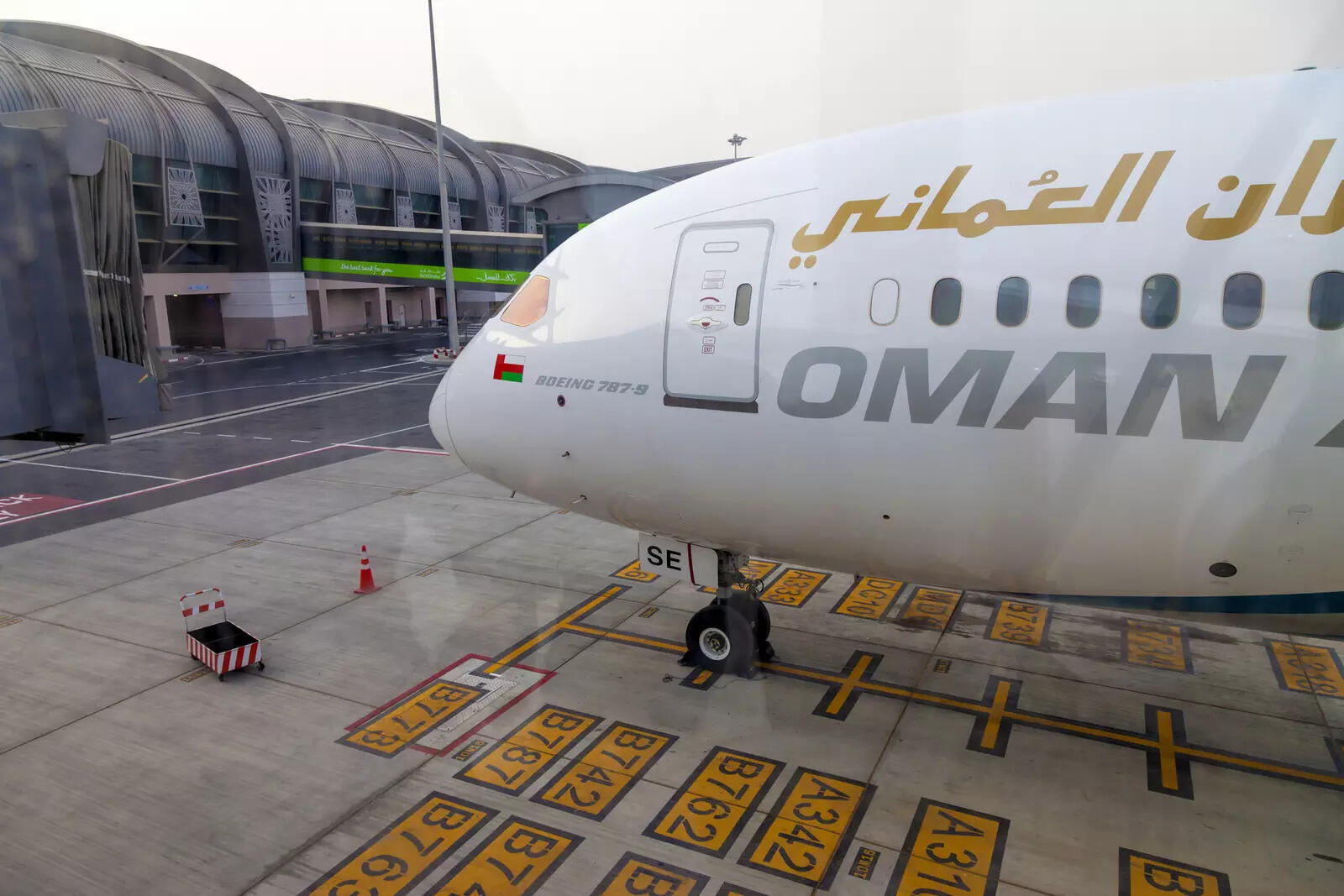
Dubai, Doha routes affected: Oman Air cancels flights to 9 cities till end of March amid Iran vs US-Israel
Industry analysts say cancellations to major hubs such as Dubai and Doha could impact thousands of passengers who rely on Oman Air for regional connections to the Gulf and beyond. Oman Air’s announcement comes as airlines in the Middle East continue to adjust schedules in response to airspace restrictions and security concerns linked to the broader regional conflict.Many carriers have suspended flights, diverted planes or reduced services while officials assess the situation. The closure of airspace could significantly disrupt the aviation network as many international flight paths connecting Asia, Europe and Africa pass through the Middle East. When restrictions are imposed, airlines are often forced to take longer routes or suspend services altogether.

Aviation disruption in Gulf hubs amid Iran vs US-Israel war
The disruptions have also affected major aviation hubs in the region. Earlier in the day, operations at Dubai International Airport were temporarily suspended after a drone-related incident near the airport, forcing airlines to delay or cancel flights while authorities responded to the situation. Dubai’s flagship carrier Emirates initially halted operations and later gradually resumed flights in the morning after security checks were completed. The brief suspension highlighted how quickly security incidents can spread through global aviation networks.The Middle East plays an important role in global aviation, serving as a central transit hub connecting Europe, Asia and Africa. Airports such as Dubai, Doha and Abu Dhabi handle millions of passengers every year, making the region important for international travel and cargo logistics. When disruption occurs at these hubs, the impact is felt across airline networks around the world. Flights may be delayed, canceled or diverted, while passengers face missed connections and last-minute itinerary changes.

Travel shock: Oman Air cancels flights to 9 cities as airspace crisis deepens
Despite the disruptions, aviation authorities and airlines have stressed that passenger safety remains their top priority. Airlines are monitoring the evolving geopolitical situation and coordinating with international aviation regulators to determine when normal operations can resume. For Oman Air, the current suspension represents a precautionary measure designed to protect passengers and crew while the status of regional airspace remains uncertain.The airline said it would continue to review the situation and update its schedule accordingly. For travelers, the clear message is that flight schedules in the Middle East may remain unstable in the coming weeks as airlines react to developments in the region. Until restrictions on airspace are lifted and security conditions stabilize, disruptions on travel routes are likely to continue.