



CBFC Chairman Prasoon Joshi on censor certification debate: Exclusive
Prasoon Joshi said the debate on whether the CBFC acts as a censor or certifier is complex, adding that the board tries to balance creative expression with social values. He emphasized dialogue rather than confrontation, acknowledging the different viewpoints involved.
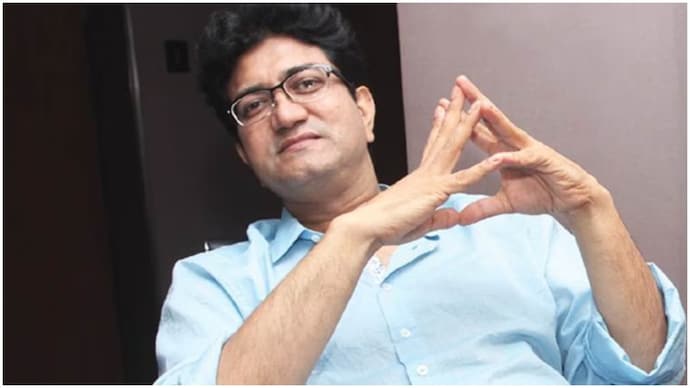

As the debate rages on over whether the Central Board of Film Certification (CBFC) has become more of a censoring body than a certifying body, chairman Prasun Joshi says the debate itself is layered and worth having.
Responding to the perception that the CBFC has become strict over time, Joshi, in an exclusive conversation with India Today, pointed out that public opinion is often driven by a handful of controversial examples, while the bigger picture is ignored. Joshi said, “Look, what happens is that you find one or two instances where you think there has been a controversy or a difference of opinion. And I think we forget, there have been a lot of films that people never thought would come out and come out without any disturbance or controversy.”
Asked about the argument that the CBFC’s role should be limited to certification and not censorship, Joshi stressed that the body’s work has always been about balance.
“So when an institution like the CBFC works, it is a very difficult task to strike a balance between what the society thinks and what the filmmaker wants to say. There is a balance. That is the role. I mean, it is not that I have invented that role or anyone else. That is the job of the institution,” he said.
He further added that disagreement is inevitable in a process where creative intentions and public sentiment rarely align perfectly: “So it’s always either one person, one party is not happy or the other party is not happy. Sometimes the filmmaker feels like, yes, I have to say what I wanted to say. And people, the audience, feel like they were given something that wasn’t palatable.”
Joshi also highlighted the decision-making efforts at the CBFC, and said committee members constantly grapple with competing viewpoints. “So there are all the committee members and people at the CBFC who are working very hard, grappling with this all the time. And they try to come up with the best solution. And I think there’s no hard and fast rule as to what the best solution is,” he said.

For him, the only practical way forward is dialogue, not confrontation: “And I’ve always said, you know, ‘dialogue not dispute‘. You know, through dialogue, try to get perspectives from committee members and filmmakers and figure out what’s right.
Addressing the criticism that the certification board should not ask filmmakers to make cuts, Joshi acknowledged the concern but reiterated that the CBFC works within an established framework. “There are rules and regulations, you feel like that. There’s a process. And everyone follows the process,” the chairman said, adding that sometimes a filmmaker’s interpretation may differ once the content reaches the audience.
Joshi concluded, “There is no way, I never think the filmmaker is there to hurt anyone’s sentiments. But it could be that while doing something he did not realize that it would be construed like that. So, I think it can be clarified only from the dialogues.”