



Rs 38 crore? AI slop Bandar Apna Dost has made big money on YouTube in just a few months
A new study shows that YouTube’s recommendation system is releasing large amounts of low-quality AI-generated videos, even though the platform claims to tighten its content policies.
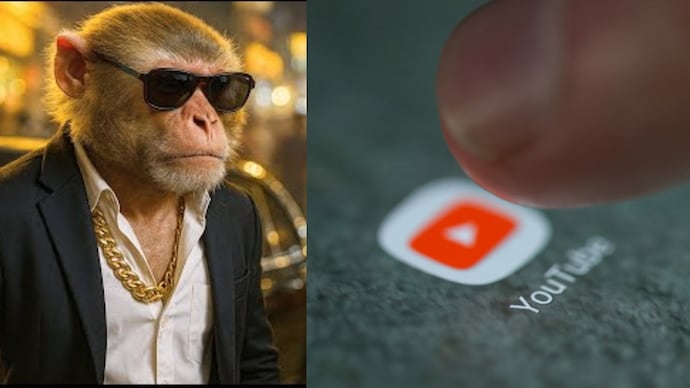

YouTube’s public stance on taking action against low-quality, mass-produced AI videos may seem firm, but a new study shows that the platform’s recommendation system is still sending large amounts of such content to users, including first-time watchers. The findings raise new questions about how effective YouTube’s policies really are, especially at a time when AI-generated videos are becoming easier and cheaper to produce at scale. According to a report from video-editing company Kapwing, more than one in five videos recommended for new YouTube accounts could be classified as “AI slop.” Researchers analyzed the content of the 15,000 most popular YouTube channels in the world to understand how widespread this trend has become and how much engagement these videos are generating.
Rs 38 crore? AI slop Bandar Apna Dost has made big money on YouTube in just a few months
The scale of the issue becomes clear when one looks at the numbers. Kapwing found that 278 channels analyzed were exclusively uploading AI slop videos. Collectively, these channels have garnered an astonishing 63 billion views and approximately 221 million subscribers. Despite YouTube’s rules that such low-quality AI-generated content is not eligible for monetization, the report estimates that these channels could collectively earn about $117 million every year through indirect means.
India features prominently in the findings. The most viewed AI Slop channel identified in the study is ‘Bandar Apna Dost’, which Kapwing says is based in India. The channel alone has crossed 2.4 billion views. Its videos typically feature an AI-generated rhesus monkey with human-like qualities, often paired with a muscular character such as the Hulk, who fights monsters in dramatic, repetitive stories designed to keep viewers engaged. Kapwing estimates that this single channel could generate about $4.25 million (roughly Rs. 38 crores) in annual revenue, even if it is not officially monetized under YouTube’s standard advertising policies.
To understand how this content reaches audiences, the researchers also tested YouTube’s recommendation engine directly. After setting up a new account, they tracked the first 500 videos suggested on the Home feed. Of these, 104 were labeled as AI slopes. About one-third of the remaining recommendations fall into a broad category the researchers described as “brain rot,” referring primarily to low-effort, highly repetitive content optimized for clicks and view time.
The report paints a picture of a rapidly growing, loosely organized ecosystem built around generative AI tools. At one level there are creators who create large quantities of AI-generated videos using freely available software. In second place are individuals, often operating in gray areas, who sell courses and “guaranteed viral” strategies teaching others how to replicate this model and agricultural partnerships.
While YouTube has always hosted a mix of high-quality and questionable content, the AI slop comes because of how quickly it can be produced and scaled. A single creator, or even a small team, can upload dozens of identical videos per day with minimal cost, which was not possible in the pre-AI era.
YouTube has already started blocking fake AI content
The growing frustration is not limited to YouTube. On platforms like Instagram and X, users are complaining that their feeds are becoming cluttered with strange, repetitive and low-quality AI-generated posts. In response, platforms have tightened rules and relied more on takedowns. Earlier this month, YouTube reportedly blocked two big channels that were uploading fake AI-generated movie trailers, a move that was seen as part of a broader cleanup effort.

At the same time, there is a clear contradiction in how big tech companies view AI content. During an earnings call in October, Meta CEO Mark Zuckerberg talked openly about AI helping to create “an even bigger collection of content” for Facebook and Instagram, arguing that easier creation and remixing would boost sharing and engagement. YouTube, too, has turned to this future by integrating Google’s latest AI video generator, Veo 3, directly into Shorts, allowing users to create AI-powered vertical videos within the app.
YouTube reacts to latest AI slope study
Responding to Kapwing’s findings, YouTube defended its approach. “Generative AI is a tool, and like any tool it can be used to create high- and low-quality content,” a company spokesperson was quoted as saying by The Guardian. The platform said its focus is on connecting users with high-quality content and that all videos must follow its community guidelines, no matter how they are created.