



Karan Johar draws the line between criticism and trolling: I choose kindness
Karan Johar shares his experience and perspective on criticism and online trolling. In a public discussion, he explained how he differentiates between genuine criticism and negative trolling, especially when it affects his personal life.
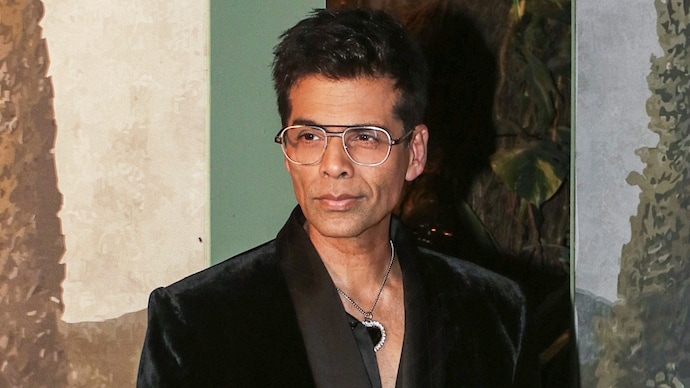

Filmmaker Karan Johar, speaking at India’s International Movement to Unite Nations (IIMUN) after being announced as the new member of the advisory board, revealed how he deals with online trolling on him and his family. Addressing the criticism, Johar stressed the need to separate thoughtful criticism from baseless negativity. He said he values feedback that comes from “a place of genuine analysis”, especially when reviewers engage sincerely with his work but still choose to criticize it. He further said that such reactions deserve respect because they provide an opportunity for learning.
“The first thing is to analyze where the criticism is coming from,” he told the programme, adding that criticism rooted in honest assessment – not prejudice or vindictiveness – should be accepted and absorbed. Discussing the nature of criticism, Johar said, “The important thing is to understand whether the criticism coming from you is coming from a place of genuine analysis. When a critic writes about your work and hasn’t appreciated it, but you know he came to watch your film wanting to like it, and then he didn’t like it and wrote a critical piece, you have to recognize that this person means well.”
“They didn’t like your movie, and you should appreciate that criticism. If there’s something to be learned from it, you should learn it, knowing that the criticism is coming from a solid place. It’s not coming from a place of prejudice or being vindictive, evil, or unnecessarily negative. So, the first thing is to understand where the criticism is coming from. That’s what I do.”
The 53-year-old highlighted that most of the abusive comments come from anonymous users. He described trolls as “faceless, nameless” individuals who are often “frustrated, angry and bitter”, and said he refuses to let such negativity affect him. Rather than feeling hurt, Johar said he chooses to respond with “compassion”.
She also addressed the deeply personal nature of many of the attacks, noting that trolls often target her way of speaking and go as far as insulting her family. This kind of behavior reflects “how unhappy they are” rather than anything about them, he said. He said, “Ninety percent of trolling comes from faceless, nameless, and meaningless people. Most often, they are unhappy, often unemployed, and therefore frustrated, angry, and bitter. All that negativity makes them want to troll you. Now, what should you feel? Should you be angry, upset, insulted, and humiliated, or should you feel pity? I choose the latter. I feel pity.”
Interestingly, Johar said that trolling also reinforces his relevance, commenting that one should either “love or hate”, but should never suffer indifference. He said, “Imagine when no one talks about you. That’s too bad.”
“I pity someone who trolls me for two reasons. Firstly, I pity the person who is probably struggling with the difficulties of his life to such an extent that he is being so negative about me. They insult the way I talk, speak, walk and even go to such an extent to insult my mother, my children, my family and my ecosystem. That level of bitterness only shows how unhappy they are So, what I should feel is nothing but love. Or hate. Imagine that when someone doesn’t talk about you.”

Johar urged people to focus on their journey, learn from criticism coming from a “well-meaning place” and ignore malicious voices, saying that talking about it – even critically – is a sign of continued relevance.
He said, “I think about myself, poor, poor woman. They must be extremely unhappy to waste so much energy on negativity. There may be reasons for their unhappiness, and I really feel bad for that. So, the next time criticism comes to you and it’s not valid, and it doesn’t come from a good place, you know what to do. Go your way, feel compassion for that person, and also feel happy that you’re so relevant that people Talk about you. To me, that’s the best way to move forward.”
Reference to famous song People will say something, it is people’s job to say, Johar concluded, “I also agree with it. But I look at it in a very simple way. When someone says the most ridiculous things about me, insults or humiliates me, I only feel one thing, and I say it honestly. I only feel pity.”