



New Health Guidelines for Hypertension: Do not ignore Light High BP
The American Heart Association issued new guidelines for high blood pressure management. In addition to throwing importance for preventive measures, experts emphasize on limiting alcohol intake and personal treatment as key solutions for managing high blood pressure.
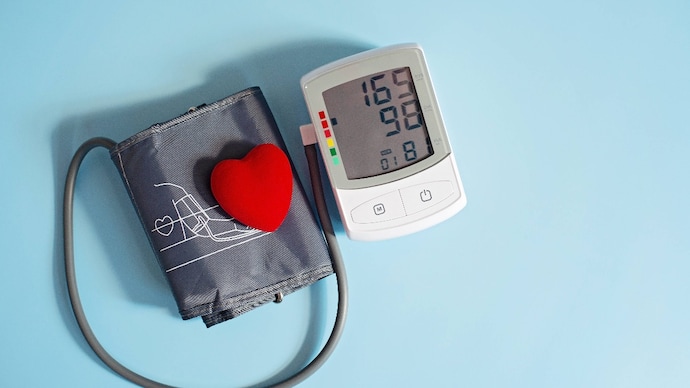

In short
- About 200 million Indians are estimated to have high blood pressure
- Hypertension causes heart attack, stroke, kidney failure and dementia risk
- New US guidelines recommend initial treatment and personal care
Hypertension, often called “silent killer”, is no longer a Western health problem. In India, about 200 million individuals are estimated to be high blood pressure, and the number is increasing equally in cities and small cities. It is now a major cause of heart attack, stroke, kidney failure and even dementia.
A new joint guidelines of the American Heart Association (AHA) and the American College of Cardiology (ACC) are being called for prevention, early treatment and more individual care for the earlier action.
While these guidelines are US-based, they carry lessons which are equally important for India.
It says that high blood pressure should be treated beforehand, not only with medicines, but also with a change in healthy lifestyle. It emphasizes the need to carefully monitor the blood pressure during pregnancy, and recommends using a new tool called Risk Calculator to check the possibility of a person’s heart disease. Moderateing alcohol intake is also one of the important methods to reduce high blood pressure according to new guidelines.
Why initial action matters
Hypertension does not always show symptoms unless it is already a cause of severe damage. This is a continuous high pressure of blood flow against the arteries.
It can quietly weaken blood vessels, stress the heart, and even damage the brain. New research revealed in the guideline suggests that high blood pressure can accelerate memory problems and increase the risk of dementia, increases life expectancy as an anxiety for India and increases the cases of Alzheimer’s disease.
Chairman of the Guideline Writing Committee, Dr. Daniel W Jones said, “Hypertension is the most common and most variable risk factor for heart disease.” Initial diagnosis and treatment, they explained, not only preventing heart attacks and strokes, but also protecting brain health for a long time.
Lifestyle changes as the first treatment
For most Indians, lifestyle is both problem and solution. Salt, processed foods and fried snacks are promoting high urban diets, motionless jobs and high stress, promoting high blood pressure epidemic.
Guidelines confirm that healthy lifestyle habits such as cutting on salt (a big challenge in Indian cooking and packed foods), eating more fruits, vegetables and whole grains, exercising regularly, maintaining a healthy weight, maintaining a healthy weight, and managing stress remains the first line of defense.
For alcohol, moderation is important. Stress management, whether yoga, meditation, or through simple breathing techniques, is particularly resonant in India, where traditional practices can be powerful tools.
Flear tools for personal care
The new guidelines help prevent risk calculators, which helps doctors to estimate a person’s risk of 10- and 30 years of heart disease by considering factors such as blood pressure, cholesterol, diabetes and even socio-economic backgrounds.
While India has not yet been widely used, such devices highlight the importance of treatment to a person rather than following a one-sided-all approach.
In India, where access to advanced tests is often limited, home blood pressure monitoring can also be a practical and cost -effective way to monitor health amid a doctor’s visit.
Medicine when needed

While lifestyle remains central, the drug is often necessary, especially when blood pressure is high. Guidelines suggest to start treatment first and for people with too much readings (140/90 mm Hg or above), using two drugs for rapid control.
Doctors used to start mostly medicines when people reached stage 2 hypertension (140/90 mm Hg or higher blood pressure). But the new guidelines say that treatment should begin first, even on stage 1 high blood pressure (130–139/80–89 mm Hg), especially if a person has other risks such as diabetes, kidney disease, or family history of heart problems.
The idea is that with lifestyle changes and drugs when needed, soon bring blood pressure in control, later in life can prevent serious complications such as heart attack, stroke and dementia.
- General blood pressure: Less than 120/80 mm Hg. This is where you want to be.
- Elevated blood pressure: Between 120–129 (top number) and less than 80 (below number). This is a warning area – not yet high blood pressure, but is an indication to make lifestyle changes.
- Stage 1 High blood pressure: Between 130–139 (top number) or 80–89 (below number). At this stage, doctors may recommend changes in lifestyle and, if other health risks exist, start the drug.
- Stage 2 High blood pressure: 140/90 mm Hg or higher. It is more severe and usually requires drug with lifestyle changes to bring down the number.
In India, common drugs such as ACE inhibitors, ARB, calcium channel blockers and diuretics are widely available and effective. For people with obesity and type 2 diabetes, both are growing in countries, new remedies such as GLP-1 drugs can provide additional benefits in future.
Guidelines also highlight high blood pressure in pregnancy, a serious concern in India where maternal health is a challenge. Conditions such as preclampsia can threaten both mother and child and can increase the long -term risk of a woman’s heart disease.
Doctors recommend close monitoring of blood pressure during aspirin, during pregnancy and after, timely treatment and in some cases, to reduce the risk. Postpartum followed equally important, as blood pressure problems may persist or develop after delivery
As Dr. Jones said, “Hypertension prevention, early identification and management are important for long -term heart and brain health, meaning, long, healthy life.”
For India, this advice may not be longer.