



How does PM2.5 exposure affect birth results during pregnancy
A new study shows that air pollution increases the risk of premature birth and low birth weight in India. Doctors highlight awareness and immediate need for public health action to protect mothers and newborns.
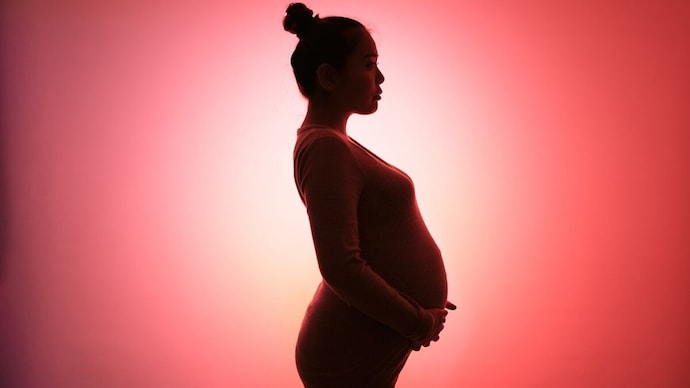

In short
- Air pollution increases the risks of premature birth in northern India
- PM2.5 Exposure is connected to 40% more likely for children with low birth weight
- Northeast states show the consequences of healthy births due to clean air
Air pollution is one of the most serious environmental hazards for human health, which affects people at every stage of life. Breathing in polluted air, especially PM2.5, can lead to a series of health problems such as pm2.5, chronic respiratory issues and cognitive declines and even cancer.
There are also links to air pollution affecting pregnancy results. A new study by institutions in the Indian Institute of Technology, Delhi, International Institute of Population Sciences, Mumbai and UK and Ireland has shown that for pregnant women, the risk of air pollution, especially particulate matters 2.5 and more.
During pregnancy, it does not harm the mother only in exposure to polluted air, it can directly affect the developing child.
According to data from the National Family Health Survey (NFHS-5) since 2019-21, 13% of children in India were born prematurely, and 17% of birth weight loss, and a major factor contributing to it is exposed to polluted air during pregnancy.
According to the study, pregnant women who are exposed to high levels of PM2.5 face 70% increased risk, low birth weight risk increases with more than 40% of air pollution risk, and a 10 g/m increase in PM2.5 levels is associated with a 12% increase in pre -birth.
Northern states like Punjab, Delhi, Haryana and Uttar Pradesh are the most affected.
Cleaner air in North-East India is associated with the results of healthy birth.
What is PM2.5 and why is it dangerous?
PM2.5 refers to small particles in the air that are less than 2.5 microns in diameter. These particles come from sources such as vehicle exit, industrial emissions and fossil fuels and burning of biomass. Due to their small size, they can easily enter the lungs and bloodstream, which can reduce inflammation, oxygen supply, and complications during pregnancy.
“Air pollution, especially fine Particulate Matter (PM2.5), has emerged as an important public health danger, especially for pregnant women and newborns,” Dr. Vikas, Director of Respiratory Medicine, CK Birla Hospital, said Punjabi Bag.
Climate and area substance
Researchers used satellite data and NFHS survey results to measure the effects of air pollution on birth results. He found that the upper Gangetic belt-in which states like Delhi, Punjab, Haryana and Uttar Pradesh include the highest PM2.5 levels and also shows high rates of premature and low weight births.
States like Himachal Pradesh (39%), Uttarakhand (27%), and Delhi (17%) stated high percentage of premature births. Punjab topped the chart for low birth weight at 22%.
In contrast, northeastern states such as Mizoram, Manipur and Tripura showed better results, possibly due to low pollution levels.
Long term effects on child health
Low birth weight and periodically are not only short-term issues. The risk increases in these conditions:
- Infant mortality
- developmental delays
- Later in life chronic diseases like diabetes and heart disease
It makes it important to address air pollution as a maternal and child health emergency.
Dr. According to Neha Abhijeet Pawar, Advisor, Gynecology, Kokilaben Dhirubhai Ambani Hospital, Mumbai, contact with air pollution can also cause miscarriage and stilging. “These pollutants can spoil the flow of oxygen and nutrients in the fetus, inhibit inflammation, oxidative stress and hormonal balance. Evidence suggests that the risk is particularly linked to the weight of birth during the third trimester, while the high level of PM 2.5 is associated with high levels, nitrogen dioxide and ozone before 37 weeks.

He said that toxic air pollutants such as benzene and PAH can interfere with the development of the fetal organ, which increases the risk of congenital anomalies such as heart defects, nerve tube defects, and cleft palate.
Pregnant women who are exposed to polluted air are also at risk of pregnant vascular function and inflammation at the risk of pre -blood pressure and pregnancy hypertension. Long -term risk can affect a child’s health even after birth, potentially increased the risk of asthma, developmental delay and behavioral problems.
Weak population, such as low socio -economic conditions, living in urban or industrial areas, or with pre -existing conditions such as asthma or diabetes, are faced with highest risks and require targeted interventions.
What can be done?
The study urges immediate policy action to protect public health. It recommends strengthening of the National Clean Air Program (NCAP), which was launched in 2019 to compete with air pollution. It also asks to implement climate adaptation strategies, such as heat action plan and better water management.
The study also emphasized the importance of raising awareness in pregnant women about their health and harmful effects of air pollution on their children.
The study authors said, “We need targeted intervention in high -risk districts and public health strategies that are factors in climate change.”
Tips for pregnant women to stay safe:
- Avoid external activity during high-pollution days
- Use air purifiers at home
- Wear certified masks (eg N95) when stepping out
- Consult a doctor regularly to monitor the fetus
Air pollution is not just a threat to your lungs, it is a threat to the next generation.