





This time of the year marks the change in weather and the human body is more vulnerable to viral attacks and bacterial infections. According to Ayurveda, radical changes are required in our diet and lifestyle to stay healthy during the transition period. The diet during the days of April should also be changed in accordance with the changes in the climate. According to Ayurveda, this time marks the change in weather. winter season (Extremely cold from mid-January to mid-March) Spring season (Spring season from mid-March to mid-May)
According to Ayurveda, imbalance or imbalance in the three bio-energies Flaws who derive their identity from the five elements- vata, Bile And phlegm All three of these cause diseases over time. Flaws combining in different proportions to form the constitution of an individual or NatureIt includes all the factors – physical, mental and emotional – that express the uniqueness of an individual.
during winter or the deep winters, Kapha dosha (The earth element) starts accumulating and then after the spring season comes, it increases even more. So we should change our diet. phlegm-Maintain balance in food and dishes at this time.
Before the recipes, here are some Ayurvedic diet suggestions for this season:
1. Cut down on sugars this season, especially white sugar, and stick to plain, easily digestible foods like Jawari Eat popsicles (recipe given below), cooked chickpeas and dates and coconut. This diet has the ability to dry the body. phlegmBecause they are non-greasy and phlegm-ruin.
2. According to Ayurveda, foods suitable for this season include grains like barley, wheat, honey, Sorghum or tide, milletsPulses like green gram, brown lentils, tur, carrot, snake gourd, mustard, fenugreek leaves, spinach, coriander and ginger – all in limited quantities.
3. Avoid: New grains, cold, greasy, sour and salty food, curd, black gram, potato, onion, sugarcane, new jaggery, buffalo milk.
4. Avoid sweet, oily and heavy to digest foods.
5. Do not give peppermint, chocolate or ice cream cones to young children, as they may contain phlegm. The Kapha dosha It is known to maintain the immunity of the body. phlegm It is primarily responsible for anabolism, which is the body’s process of building, growing and creating new cells, as well as cell repair.
6. Do not sleep during the day. This increases the problem. phlegm,
7. Get a pulse test done and if you feel you have an overdose phlegmFollow an alkaline diet. An alkaline diet thins and dissolves phlegm, and later expels it. Boiled or raw vegetables can also be effective.
(Also read: Is quitting sugar completely a healthy option?)
Reduce your intake of sweets in this season, especially white sugar.
Now that you have decided on your diet, we share with you some extremely simple and easy-to-make recipes, along with diet suggestions keeping in mind the change in seasons and the impact it has on our body:
1. Protein Balls
preparation time: 5 minutes
cooking time: 10 minutes
Material:
– Roasted chickpeas – 1 cup
Dates – 1/4 cup
– Dry coconut – 1 tablespoon
Method:
– Rub the chickpeas on a plate to remove the brown peel.
– Remove seeds from dates.
– Grind gram and dates in a mixer.
Take out the mixture on a plate.
– Make small balls by rolling it between your palms.
– Coat the balls with desiccated coconut.
-This dish is ready to be served.
(Also Read: 6 Excellent Sources of Vegetarian Protein for Your Daily Diet)

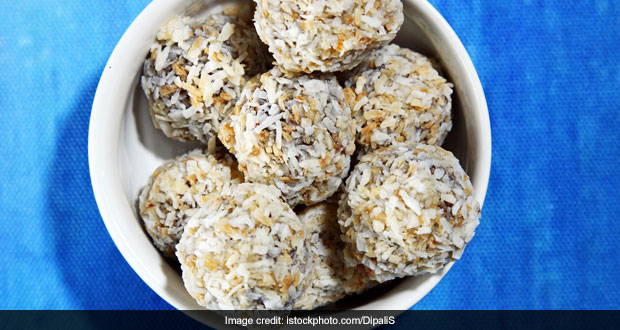
Protein balls are a perfect combination of health and taste
2. Jowar Chatpatta
preparation time: 5 minutes
cooking time: 7 minutes
Material:
-Jowar puffs (Dhani)- 5 cups
-Oil – 2 teaspoons
– Mustard seeds (rai) – 1 tsp
-Curry leaves- 6
-Asafoetida – 1/4 tsp
-Roasted Bengal gram dal (daria) – 2 tbsp
– Turmeric powder – 1/2 tsp
– Chilli powder-1 tsp
-salt to taste
– Roasted chickpeas – 1/4 cup
Method:
– Heat a deep non-stick pan, add the jowar puffs to it and fry on a medium flame for 2 to 3 minutes.
– Remove the puffs and keep them aside.
– Heat oil in the same pan, add mustard seeds, curry leaves and asafoetida and fry on medium flame for 30 seconds.
– Add roasted chana dal to it, mix well and cook for 1 minute on medium flame.
– Add turmeric powder, chili powder and salt, mix well and cook on medium flame for 10 seconds.
– Add roasted jowar puffs and roasted chana, mix well and cook on a medium flame for 1 to 2 minutes, stirring occasionally.
-Cool completely and store in an air-tight container. Use as required.
3. Yam Balls
Preparation time: 40 minutes
Cooking time: 10 minutes
Material:
-Yam (purple yam) – 500 grams
-Sweet potato – 200 grams
-Fresh coriander leaves – 1 tablespoon
-Green garlic (optional) – 1/2 tablespoon
– Green chilli paste – 1/4 tsp
-Lemon juice- 1 tablespoon
-Ginger paste – 1/2 tsp
-Sesame seeds – 1 tsp
-Mustard seeds – 1/4 tsp
-Salt – 1/2 teaspoon
– Raisins – about 15 pieces
-Oil – 1 tablespoon
Method:
This is actually a Holi recipe and the ultimate flavour of this dish comes from the traditional cooking process wherein the roots are cooked overnight on low flame over the burnt coals of the Holi fire.


Alternatively, another process could be to steam the roots.
-Wash the roots and cut them into big pieces.
– Steam sweet potatoes for 25 to 30 minutes and sweet potatoes for 15 minutes.
-Peel them and grate them.
– Take finely chopped green garlic and fresh coriander leaves.
– Heat oil in a pan, add mustard seeds and sesame seeds, then add green chillies and ginger and cook for half a minute.
– Add raisins, mashed roots, green coriander, green garlic and salt to it.
-Mix well and cook for 5 minutes.
– Turn off the gas, add lemon juice and mix well.
– Shape into round shapes and serve.
4. Healthy Thandai
preparation time: 05 minutes
cooking time: 10 minutes
This fennel-scented blend has a natural cooling effect on the body. A blend of melon seeds, rose water and rose petals, this summer cooler is undoubtedly delicious!
The recipe for making it is as follows:
Material:
– Green cardamom – 10 whole pieces
-Fennel – 1 1/2 teaspoon
– Black pepper – 1/2 tsp
-Coriander seeds – 1/4 tsp
-Watermelon / sunflower seeds – 1 tsp
– Peeled almonds – 50 grams
-Brown sugar – 5 tablespoons
-Rose petals- 3 tablespoons
-Rose water – 2 tablespoons
-Milk – 750 ml
-Muslin cloth (optional)
Method:
– Lightly fry the spices on the pan.
– Soak all the ingredients except milk in enough water.
– Keep it aside for 2 hours. Then grind it finely.
– Add milk to the paste, put it in a jar and shake it.
– Pour the liquid into glasses through a muslin cloth.
-Garnish with rose petals and serve chilled.
So try these recipes for good health and a happy summer!
Kaushani Desai is an Ayurvedic Cooking Expert at Art of Living and author of the popular book ‘Sattva The Ayurvedic Cook Book’.
Disclaimer:
The opinions expressed in this article are the personal views of the author. NDTV is not responsible for the accuracy, completeness, suitability, or validity of any information provided in this article. All information is provided as is. The information, facts or opinions in the article do not reflect the views of NDTV and NDTV does not assume any responsibility or liability for the same.