





Canada is often described through its natural lakes, rivers and vast northern landscapes. Yet some of the country’s largest bodies of water were created not by glaciers or geological forces, but by engineering projects designed to store water and generate power. Over the past century, major hydropower development transformed valleys, river systems and lowlands into vast reservoirs, many of them in remote areas far from major population centres. Many lakes are so large that they compete with natural lakes in size and appear as permanent features on modern maps. Together, these reservoirs reveal the scale of Canada’s hydropower ambitions and how energy infrastructure has reshaped parts of the national landscape.Check out this list of the 10 largest man-made lakes in Canada, according to WorldAtlas.
Top 10 largest man-made lakes in Canada by surface area

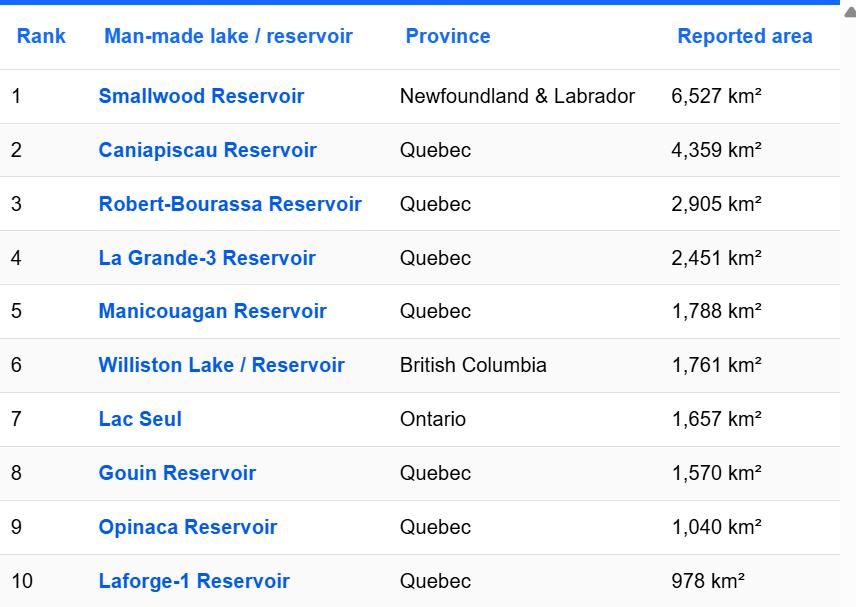
Source: WorldAtlas
Canada’s 10 largest man-made lakes
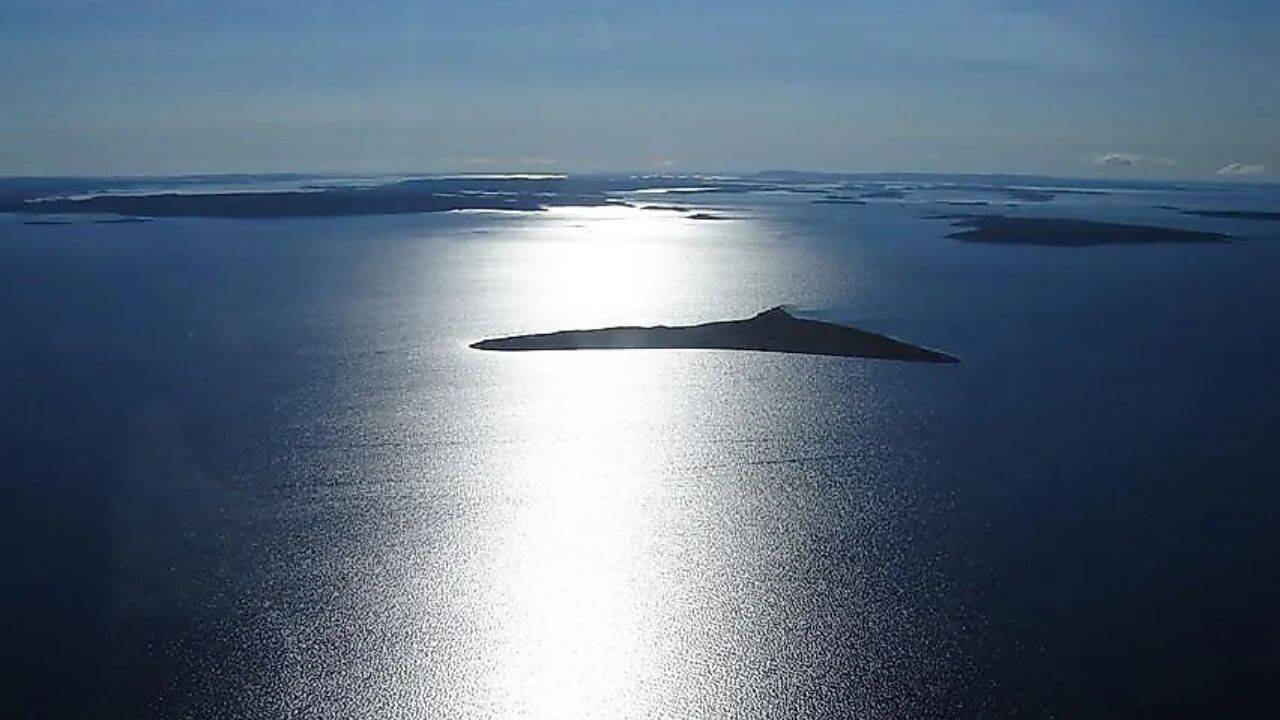
1. Smallwood ReservoirNewfoundland and Labrador

PC: WorldAtlas
Smallwood Reservoir is the largest man-made lake in Canada. Located in Labrador, it is part of the Churchill Falls Hydroelectric System, one of the most important energy projects in the country.What makes this reservoir unusual is that it was not created by a single dam. A network of dams and control structures transformed a broad area of wetlands, rivers, and natural basins, combining them into a vast water storage system. Its immense scale is difficult to comprehend on the ground, spanning a landscape where settlements are sparse and distances vast.2. Caniapiskau Reservoirquebec
PC: WorldAtlas
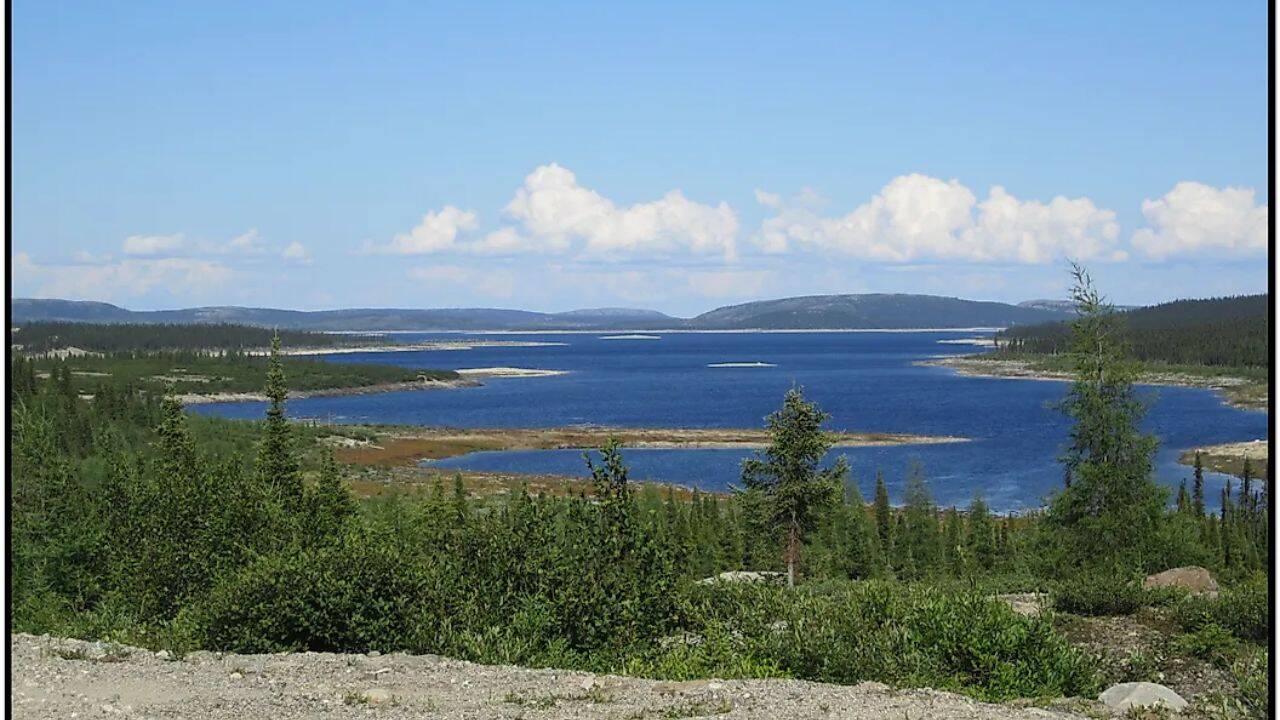
Northern Quebec is home to several of Canada’s largest reservoirs, and the Caniapiscau Reservoir is second. Developed as part of the James Bay Hydroelectric Program, it serves as a major storage basin within a much larger network of dams and generating stations. The reservoir is located in a remote part of the province where roads are limited, and access may involve long trips through boreal forest and suburban terrain. Despite its isolation, it plays a central role in the supply of electricity throughout Quebec.3. Robert-Bourassa Reservoirquebec
PC: WorldAtlas
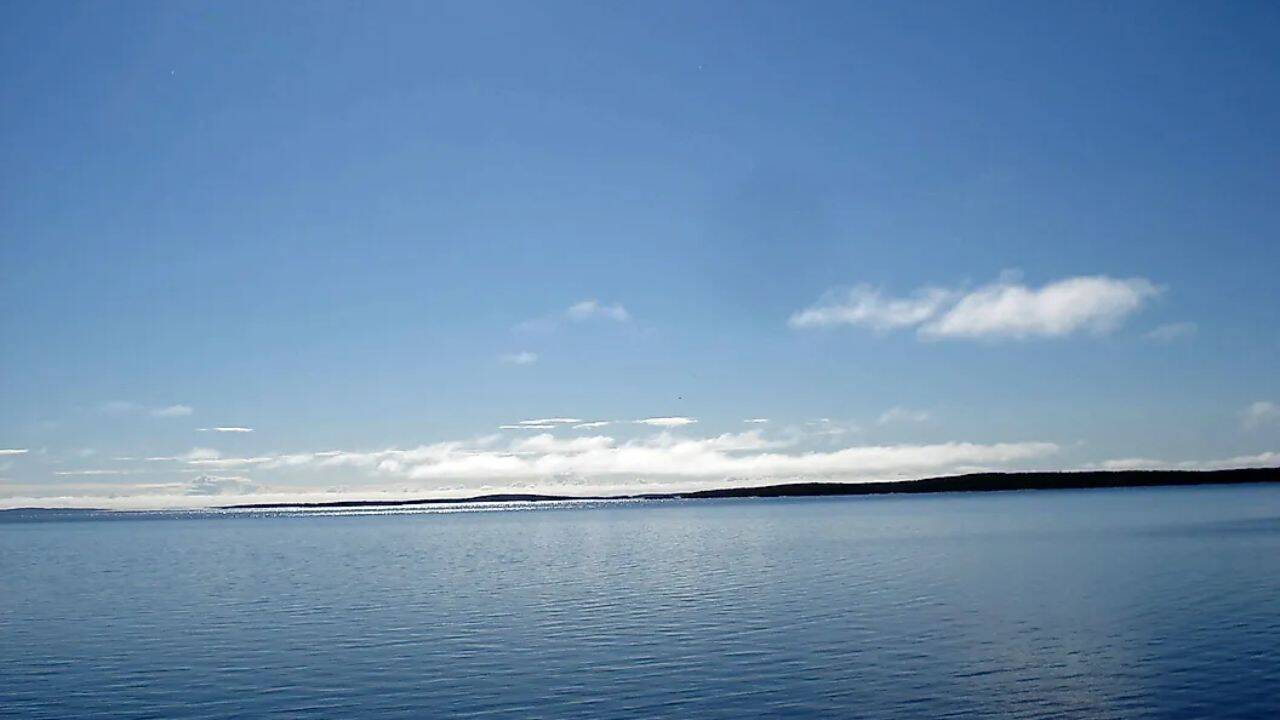
The Robert-Bourassa Reservoir is another major component of Quebec’s northern hydroelectric system. The reservoir nourishes one of the most important production complexes in the province. Water stored in this wide expanse can be released as needed to support power generation, helping to balance demand throughout the year. The surrounding landscape is characterized by rocky Canadian Shield terrain, forests and extensive wetlands rather than towns or recreational development.4. La Grande-3 Reservoirquebec
PC: WorldAtlas
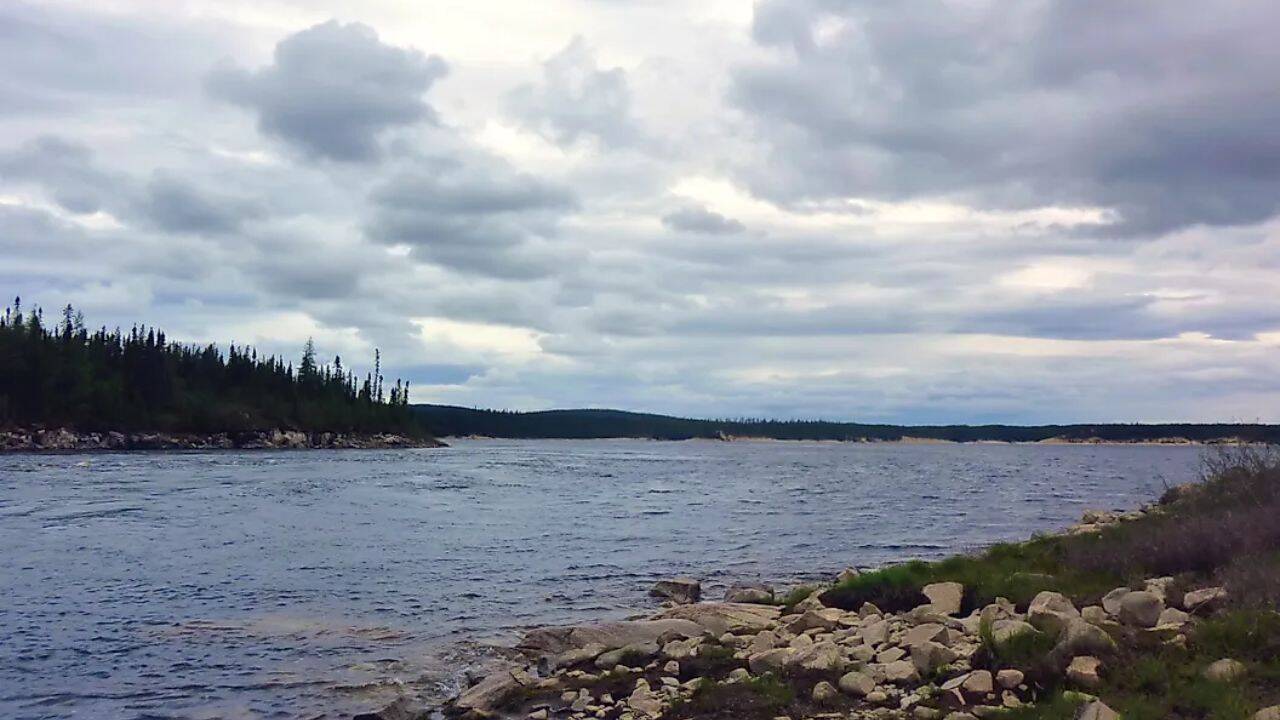
La Grande-3 Reservoir occupies a key position within the La Grande hydroelectric network. Like many of the reservoirs in northern Quebec, it exists primarily as a functioning part of the infrastructure rather than as a destination. Seasonal water levels are carefully managed to support power generation, with storage capacity helping operators regulate flows through downstream facilities. Viewed on a map, its irregular coastline reflects both the original landmass and the engineering works that have replaced it.5. Manicouagan Reservoirquebec
PC: WorldAtlas
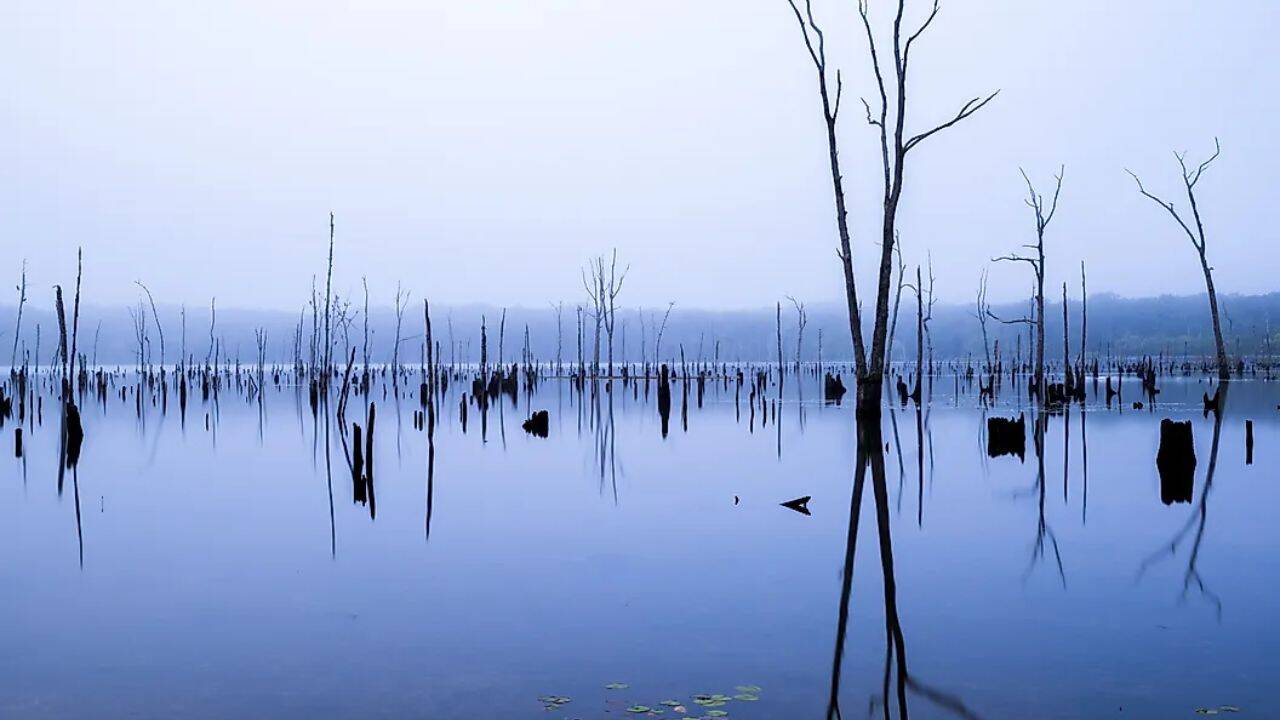
Manicouagan Reservoir is perhaps the most visually distinctive entry on the list. Its circular form is the result of an ancient meteorite impact that created a huge crater millions of years before the reservoir came into existence. When the water level rose after the construction of hydroelectric infrastructure, the crater became partially flooded, forming a ring-shaped lake around a central island. Satellite imagery has made the reservoir one of the most recognizable geographical features in Canada.6. Williston LakeBritish Columbia
PC: WorldAtlas


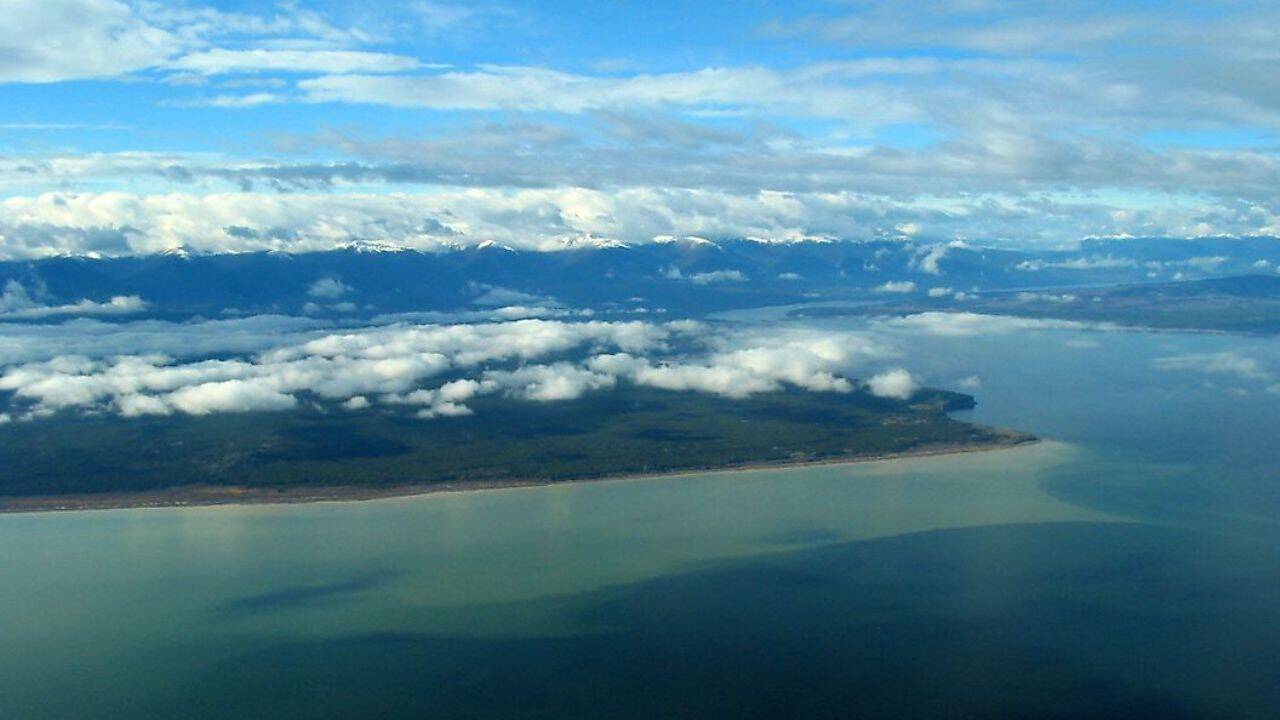
British Columbia’s largest reservoir, Williston Lake, is behind the WAC Bennett Dam. The lake runs through parts of the Rocky Mountain Trench, creating a long and complex shoreline that flows through mountainous landscapes and wooded valleys. Unlike many eastern reservoirs, its setting is defined by dramatic topography, with the surrounding peaks providing a spectacular backdrop to one of Western Canada’s most significant hydroelectric assets.7. lac seulOntario
PC: WorldAtlas
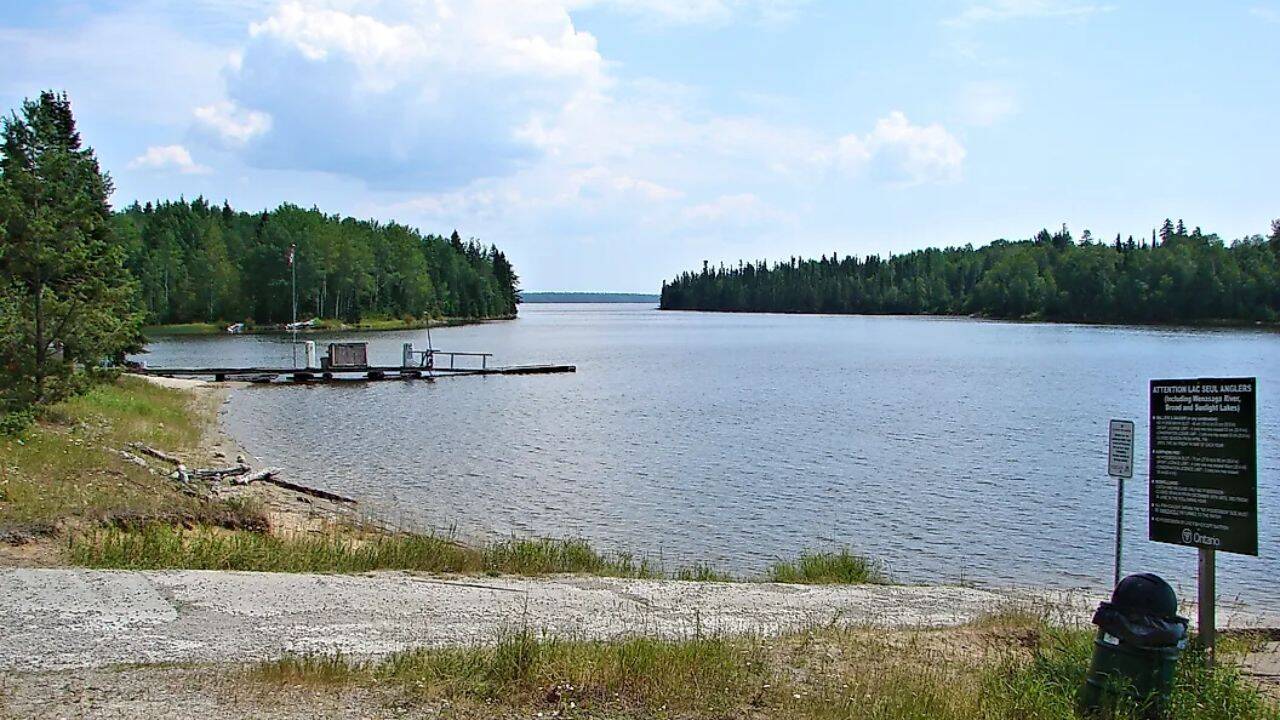
Ontario’s Lac Seul is in seventh place. The reservoir is located in an area known for its waterways and islands, creating a landscape that appears partly natural and partly engineered. Water levels are managed to support downstream needs, but the lake is also associated with outdoor recreation, especially fishing. Its complex coastline gives it a character quite different from some of the larger northern bodies of water.8. Gouin Reservoirquebec
PC: WorldAtlas
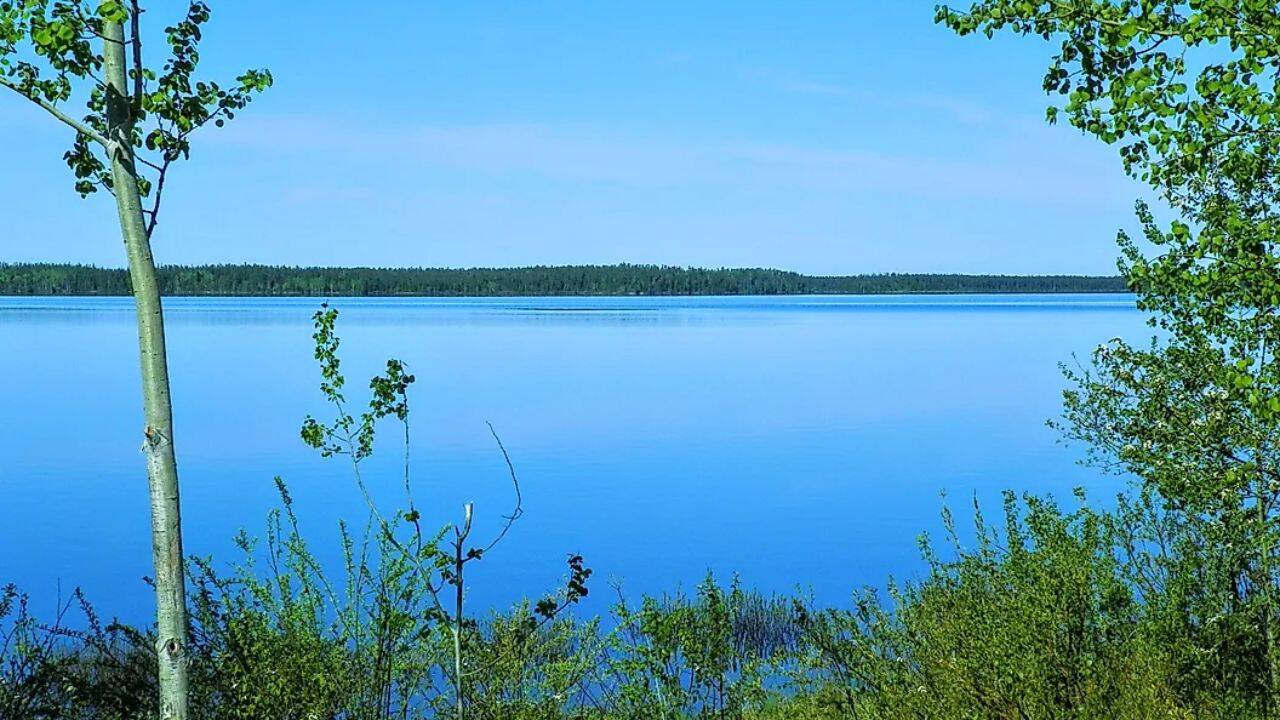
The Gouin Reservoir is located in central Quebec and has been part of the province’s water management system for more than a century. The reservoir serves several purposes, including flow regulation and support for downstream hydropower generation. A maze of inlets, islands and channels form a highly fragmented coastline. From the surface, the reservoir looks like a fragment of interconnected waterways rather than a continuous body of water.9. Opinaka Reservoir, Quebec
PC: WorldAtlas
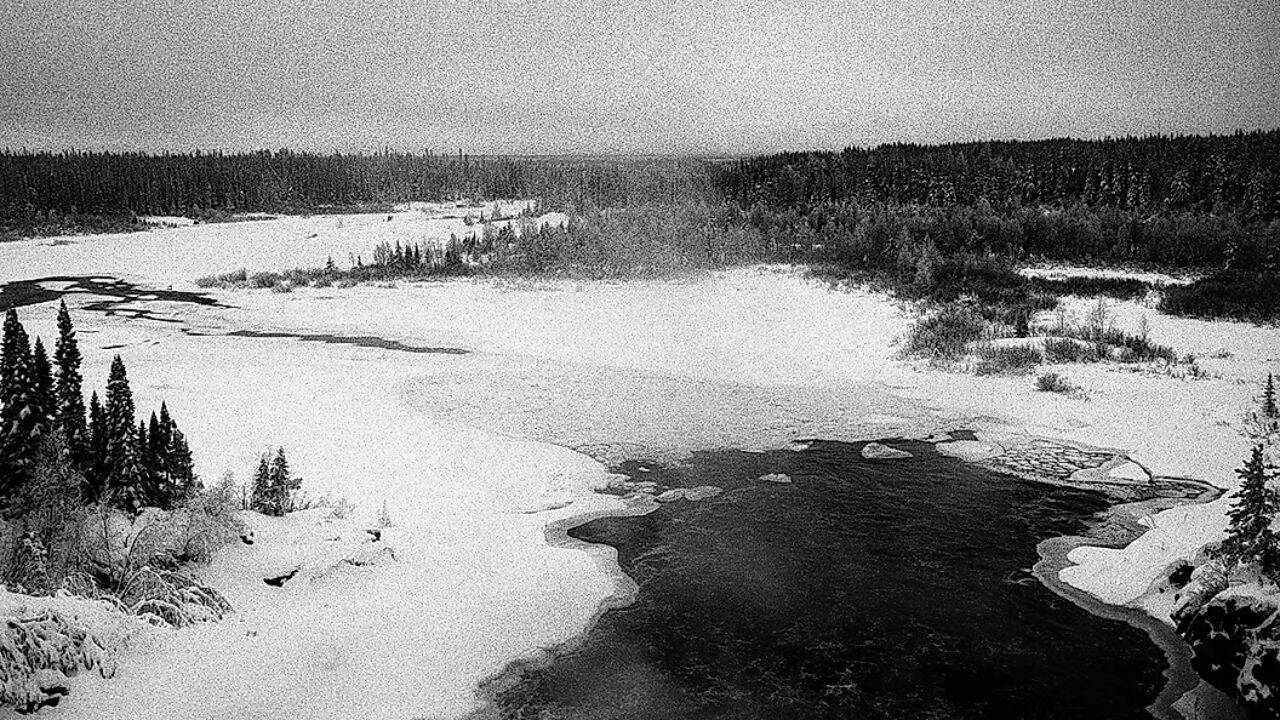
The Opinaca Reservoir forms another link within Quebec’s extensive hydroelectric network. Located in a remote northern setting, it works with neighboring reservoirs to regulate the movement of water through the wider system. Although less well-known than some of the province’s larger projects, its role in water storage and flow control makes it an important part of the region’s energy infrastructure.10. LaForge-1 Reservoir, Quebec
PC: WorldAtlas
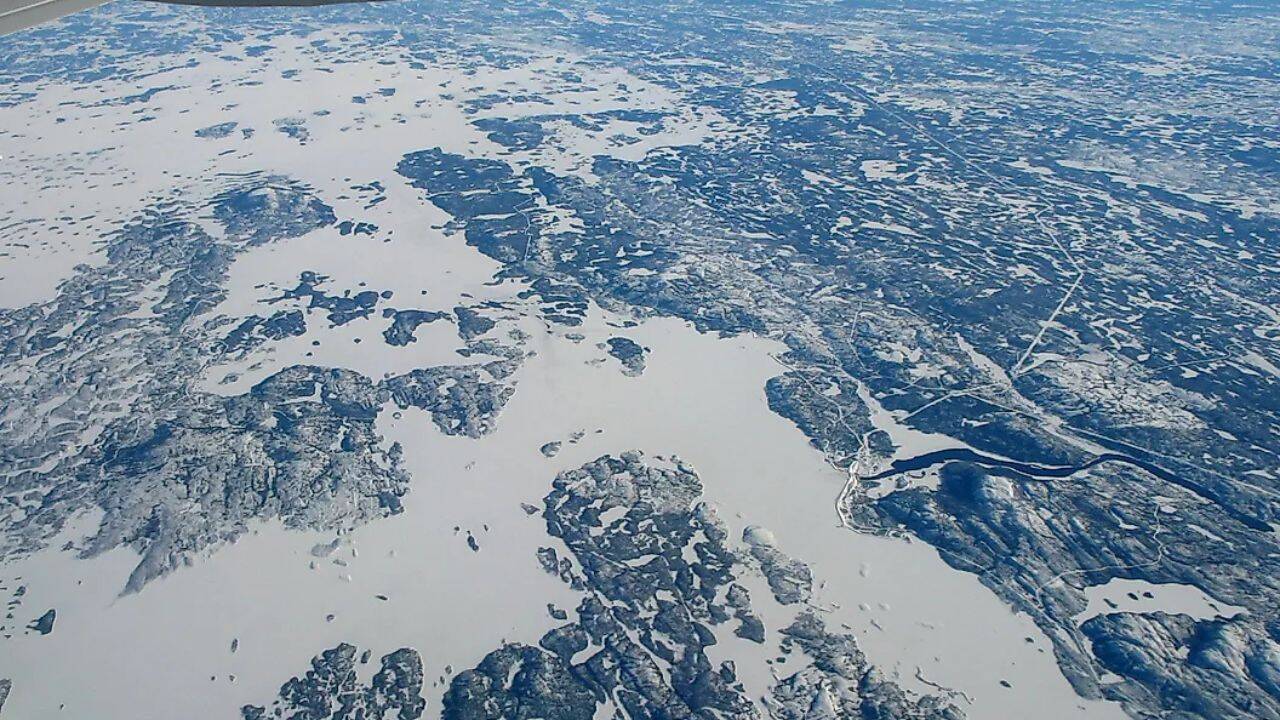
Completing the list is the Laforge-1 reservoir. Created during the expansion of northern hydroelectric development in the late twentieth century, the reservoir supports electricity generation through controlled water release. The surrounding environment is largely undeveloped, dominated by boreal forest, wetlands and exposed rock formations. Its isolation reflects a pattern shared by many of Canada’s largest reservoirs, which are often located far from the urban centers they help provide power.