



Your Bank Is Calling About That New iPhone Purchase: Is It a Security Check or a Scam?
Hello, your bank has called, they want to know if you bought that great new iPhone – is it a scam or is it real? India Today Tech tells.
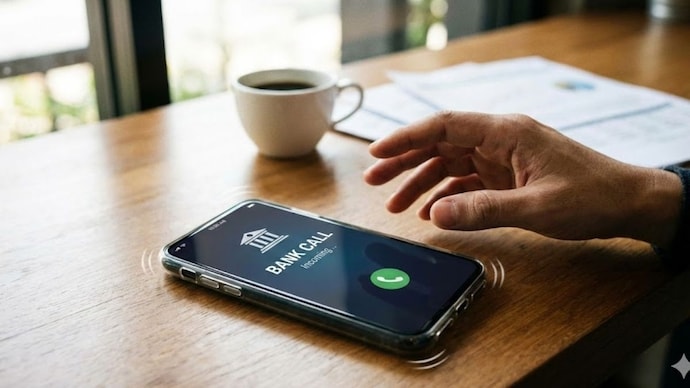

Imagine: You have just bought a shiny new phone and paid Rs 1 lakh for it using your bank card. Credit or debit doesn’t matter. You get a call within a few seconds. Did you really spend that money? This is not a new feature, but getting a call like this still feels strange, and sometimes it can irritate you. Was the payment you made genuine? Or is this a scam call? Did someone else use your card? We know. In a world where digital scams are so common, anything related to money can seem a little suspicious. But in this case, most likely, it is just a bank feature working as intended. However, you still need to be cautious. Let us explain.
Nowadays almost all the big banks in India have a new feature that alerts the user when a high value transaction occurs on their credit or debit card. So, when you spend excessive amounts of money, or do any big transaction outside India, the system flags it immediately and almost immediately you get a call from your bank on your registered phone number. This is mostly automated but in some cases there may be a human on the other end.
Either way, this is a precautionary step on the part of your bank whose sole purpose is to act as a secondary verification to ensure that you did not make a transaction by mistake or, in the worst case, your credentials were stolen, and someone was using them to drain your bank account. In other words, it’s a legitimate security layer designed to catch “card-present” or “high-risk” fraud in real time.
Hello, I am your bank
When exactly does this happen? Is there any transaction limit? It really depends less on the amount actually spent and more on the pattern. For example, international transactions made outside India or on a global website can trigger this call, even if the amount is not very high. Similarly, if the transaction occurred outside of your regular pattern of card usage – say at 4 a.m. in a city where you’ve never made a transaction before – you may get this call.
But generally, whenever you spend Rs 50,000 or more, you are likely to get a verification call from the bank. Like we said, most of the time it’s an automated call. Also, because banks now use numbers verified by TRAI, your phone – whether it’s an iPhone or Android – is likely to show that the call is from your bank, even if you don’t have the number saved. This does not mean that it cannot be a fake call. But its possibility is less.
Once you get a call, you have two options: answer the call or don’t answer it. If you pick up the call, again you are likely to be faced with two options. One, you press a number on your phone to confirm the transaction you made. If you do this then the matter ends. Two, you have not made that transaction and therefore have chosen to decline it. In such a case your card will be blocked immediately.
Now, here’s something interesting as well as worrying. Even if you decline the transaction and block the card, the payment made on your card before the call will still continue. You see, the call is triggered only when the transaction is completed. By declining it, you dispute it, but the bank may not be able to reverse the transaction. However, the advantage is that your card is now blocked, so no further transactions can be made on it until you get unblocked.
Could this be a scam?
Overall this is a nice feature. But is there scope for scammers to take advantage of this facility and get you to approve transactions while posing as your bank? Everything is possible because edge cases exist, but such a scenario is not possible by spoofing these calls.

The most important part of the feature that you need to understand is that the automated call is triggered once your transaction is completed. The payment gateway using which the card is swiped is not waiting to confirm or deny your transaction. It is already processing the funds. In other words, it is not possible for scammers to circumvent this “transaction confirmation call” to trick someone into making some transaction.
Instead, what scammers may do is by making such calls they may ask you for OTP to initiate the transaction instead of asking you to confirm or deny the transaction. If they ask for OTP then it is a scam call. Banks also repeatedly highlight that no OTP is ever asked by bank employees or automated bank calls. As soon as you hear the word OTP in a bank call, immediately exercise caution. This is definitely a scam call.
You should also keep an eye on where the call is coming from. As mentioned earlier, bank numbers are now recognized on the call screen. At the same time, TRAI has ordered that from January 1, banks and financial institutions will have to use 1600 number series for official transactions and service calls. If the call comes from a 1600-series number, it is highly likely to be your bank. If it’s a standard 10-digit mobile number, be suspicious.