



Vivo Vision vs. Apple Vision Pro: Glasses, features, prices comparison
Vivo has stepped into the world of reality mixed with the launch of its first headset, called the Vivo Vision Discovery version. Apple is betting on its ecosystem and software integration to make the vision Pro attractive to power users, while Vivo is trying to bring more economical options with high-end features. Here is everything that you have to know about them.
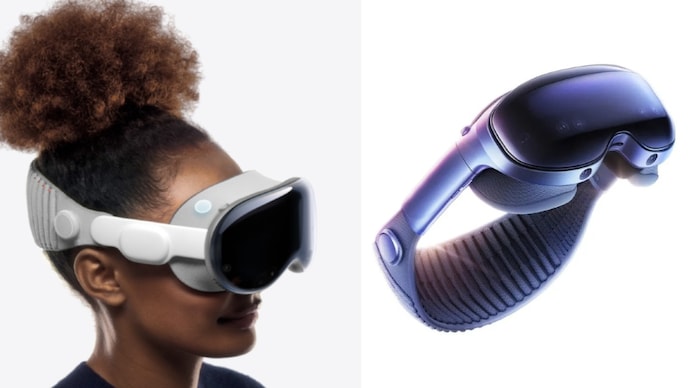

Vivo has stepped into the world of reality mixed with the launch of its first headset, called the Vivo Vision Discovery version. The new device will be compared to the Vision Pro of Apple naturally, which is the most talked product in this category since its announcement. Both headsets promise to combine the enhanced reality and experiences of virtual reality, but they differ in approaches, features and costs.
Apple is betting on its ecosystem and software integration to make the vision Pro attractive to power users, while Vivo is trying to bring more economical options with high-end features. At this stage, both headsets are prohibited to select markets, but they show how fast the mixed reality is developing and how the brands are preparing what the next major wave can be in personal technology.
Vivo Vision vs. Apple Vision Pro: Pricing and Availability
The Apple Vision Pro is already available in the US at an initial price of $ 3,499, which is about 2.90 lakh rupees. On the other hand, Vivo has not yet officially disclosed how much its headset will cost. A gizmochina report shows that the handset can cost around 10,000, which is about Rs 1.21 lakh. If this estimate is correct, the device of Vivo will be much cheaper than the headset of Apple. At the moment, neither the company has confirmed whether these products will come to India in future.
Apple Vision Pro: What does it provide
Apple has designed Vision Pro as a premium machine with some of its most advanced hardware. It uses dual micro OLED screens with a total of 23 million pixels, promising a sharp and wide viewing experience. The headset supports fuvet rendering, which means that the area you are watching shows in high resolution for better clarity.
The Vision Pro is powered by Apple’s M2 chip with a new R1 processor, which handles the input from 12 cameras, five sensors and six microphones. The device also has a mapping environment and lidar and trude cameras for hand trekking. Apple claims that it can provide visuals with only 12 milliseconds delay.
Other features include spatial audio with individual sounds, optic IDs for safe authentication using IRIS scanning, and support for Zes’s optical inserts for people wearing glasses. The vision provides a new operating system called Pro Visionos, which supports many types of apps from Microsoft, Adobe, Zoom, Cisco and even Disney entertainment materials. Apple also pair a “personality” feature, which creates a digital version of the wearer’s face for video calls.

Vivo Vision Explorer Edition: Glasses, Features, Design
Vivo’s first mixed reality headset looks similar to the design of Apple with its glass front wisor, viosable fabric seal and an external battery pack that connects with a braided cable. The device weighs 398 grams and comes with many padding options to make it more comfortable.
The Vivo Vision Discovery version has double telescope 8K micro-olade displays with broad color coverage. It runs on Qualcomm’s Snapdragon XR2+ Gen 2 chip and uses Vivo’s Blue Ocean Power Management System to keep the use of energy. The company claims that the delay is as low as 13 milliseconds, close to Apple’s performance.
Vivo has also added advanced tracking features, including an accurate 1.5-degree eye tracking and depth of 26 degrees for gesture recognition. The headset supports an 180-degree panoramic field, a virtual 120 inch cinema screen and spatial audio. This can record 3D videos, capture spatial photos and also mirror content from PC and smartphone. Some advanced tools, however, are limited to vivo phones. The device is powered by Originos Vision, Vivo’s in-house platform, which supports multi-window productivity, immersive videos, e-sport streaming and game casting.