



In a move underscoring the UAE’s tight grip on security and information controls, authorities have arrested a man for trespassing and filming in restricted areas without a permit, a violation that can have serious legal consequences. The case reported by state media is not an isolated incident. Instead, it is part of a broader crackdown on unauthorized filming, digital content sharing and access to sensitive locations, especially amid rising regional tensions.
what happened in Fujairah United Arab Emirates?
According to official reports, authorities in the Emirate of Fujairah detained a man after entering restricted sites without permission, conducting filming activities without official approval and secretly entering the area before being identified. Investigation revealed that the man was associated with a media organization, but did not have the necessary permits to film or even enter the location.He allegedly used a rented vehicle belonging to another journalist to gain access and later sent the footage to a foreign news organization without authorization. Authorities have since referred the case to the public prosecution, where legal proceedings are now ongoing.
The UAE rule many ignore: filming is not always allowed
In the age of smartphones, vlogging and instant sharing, filming often seems routine but in the UAE, the law draws a clear line between casual recording and security-sensitive content. Under UAE rules, it is illegal to:
- Enter restricted or prohibited areas without permission
- films, photographs or documents of such places
- Share footage that could reveal sensitive infrastructure or security details
Even actions such as recording coordinates, mapping locations or sending footage abroad can be considered a violation if done without official approval. The important thing is that the law applies even if no harmful intent is proven, the act itself is sufficient. The arrest comes at a time when the UAE is dealing with heightened geopolitical tensions, including missile and drone threats related to Iran versus the US-Israel war.
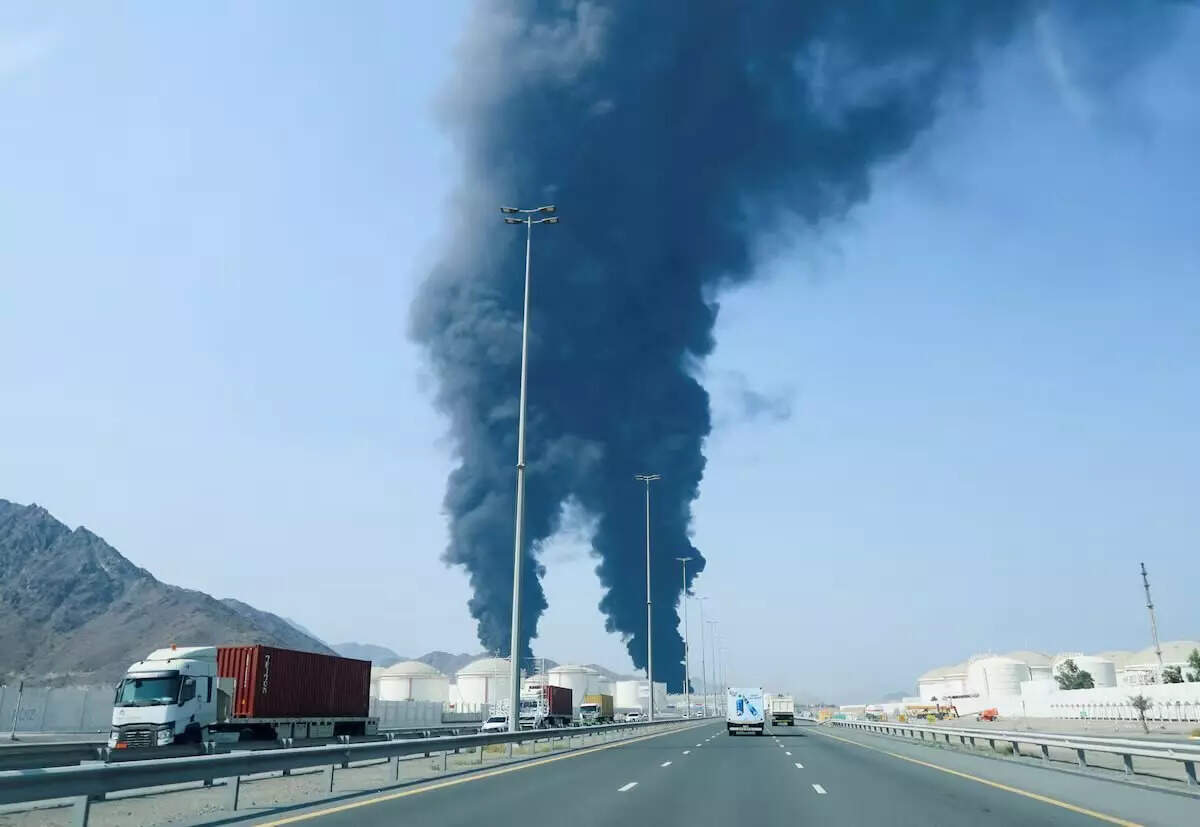
UAE’s wartime actions: Filming, sharing videos can lead to arrest
In this environment, authorities are particularly sensitive to the filming of strategic or security locations, the dissemination of unverified or real-time footage and material that could expose vulnerabilities or create panic. Recent enforcement actions highlight the scale of the concern. Dozens of people have been arrested for sharing videos of missile attacks or defense systems, others have been detained for spreading misleading or AI-generated munitions and some individuals have even faced action for privately sharing images of attack sites. In short, what may appear to be a harmless document can quickly be interpreted as a security breach.
From content creation to criminal offense in UAE
The Fujairah case highlights the growing tension between digital content culture and a strict legal framework in the UAE. On the one hand, the UAE is a global hub for influencers, journalists and content creators. Social media thrives on real-time updates and visual storytelling.On the other hand, the country enforces strict cybercrime and media laws and content related to security, defense or sensitive infrastructure is strictly regulated. This dual reality means that intention does not always protect you. Regardless of whether filming is done for journalism, documentation, or personal use, legal action may still be taken if proper permission is not obtained.

UAE’s “permit first” principle
One key takeaway from this matter is the importance of official permits. In the UAE, filming at many locations, particularly those involving government infrastructure, transport hubs and military or security areas, requires prior approval from the relevant authorities. Without it, even professional journalists risk violating the law.In this case, despite working for a media organization, the individual had no legal authority, becoming the focus of the allegations. The UAE is not working in isolation. Across the Gulf, governments are increasing controls on war-related visuals, infrastructure imagery and social media content. Reports indicate that hundreds of people have been detained across the region for spreading misleading or sensitive information during the ongoing conflict.
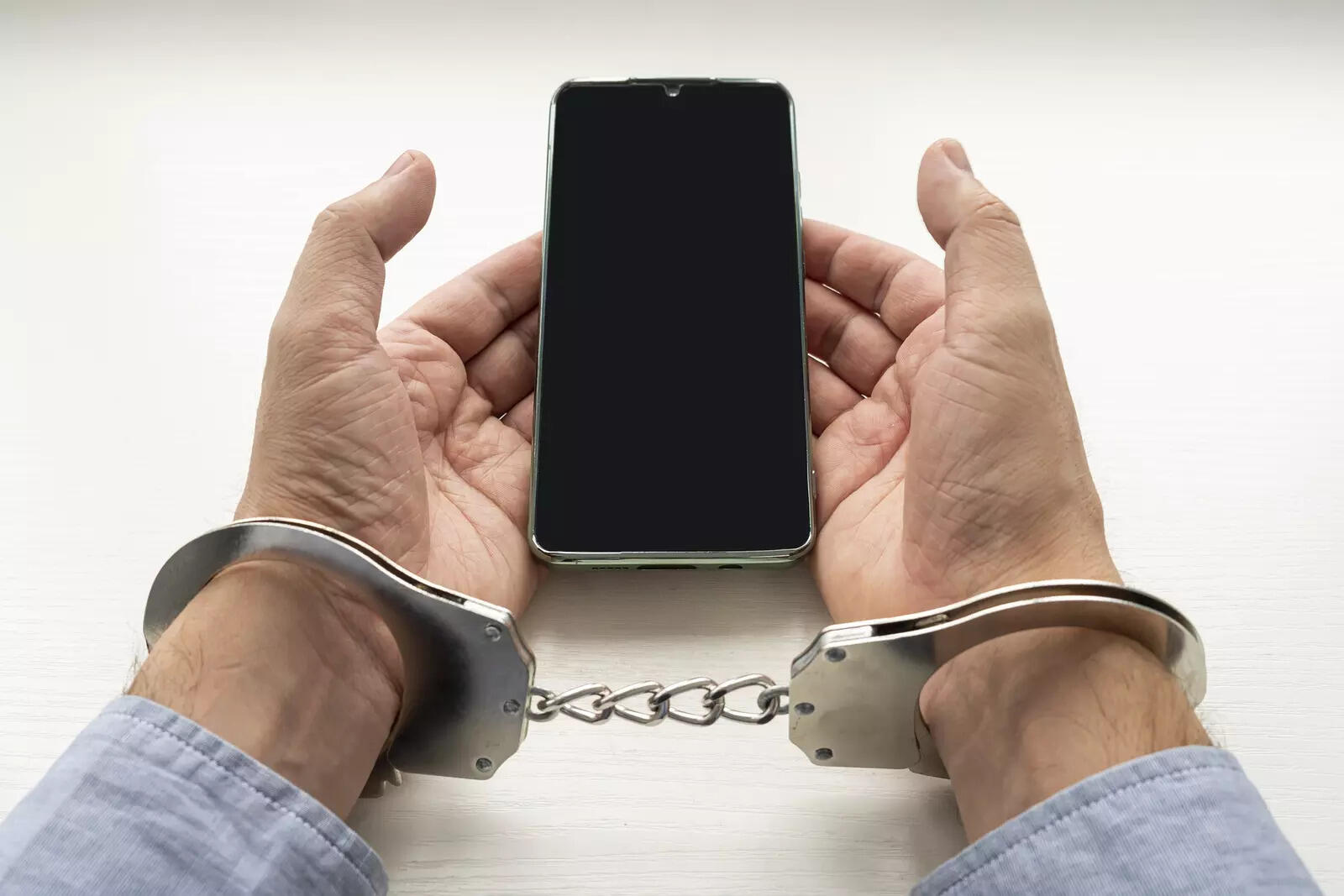
Shot video without permission? UAE arrests show risks
The goal is to protect national security and prevent panic and misinformation, but it also means reducing the margin for error, especially for residents and visitors unfamiliar with local laws.Violations related to filming and restricted areas may result in:
- arrest and detention
- criminal charge
- fines and imprisonment
- deportation (for emigrants)
In some cases, even deleting footage and claiming ignorance will not prevent legal consequences. Recent cases show that individuals have been charged even after deleting recorded material, as the act itself is punishable. Authorities have repeatedly issued clear instructions not to film or share content from restricted or sensitive areas without permission. Embassies have also taken steps. For example, the advisory warns residents and visitors against filming at airports, event sites and security operations.