



Twenty One Review: Dharmendra-Agastya’s war film is far from chest-beating patriotism
Ikkis One Movie Review: Ikkis One tells the story of the bravery of young soldier Arun Khetrapal in the 1971 war. The film sensitively explores the lasting personal and familial trauma of war beyond patriotic heroism.
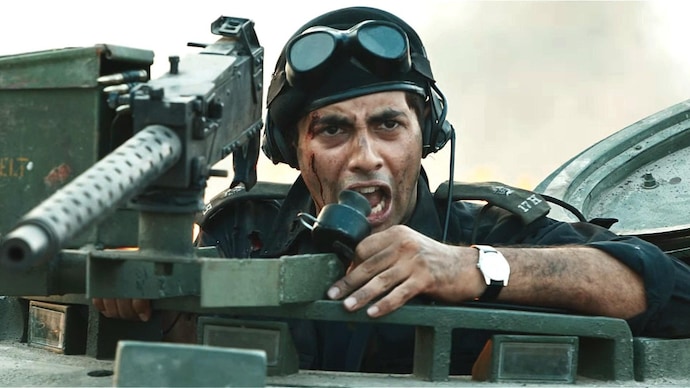

Whenever you watch war movies on screen, which show the bravery of soldiers, especially the youth, it makes you think: where do they get so much courage to step forward and give their lives for their country? 21-year-old Second Lieutenant Arun Khetrapal, who had not even completed his training, was called to war in 1971. While many people at that age would shudder at the thought, his smile and pride at being on the battlefield is heart-warming.
His decision in the last few moments of his life not only earned him the Param Vir Chakra but also respect from the very army he was fighting against – an unprecedented achievement. Sriram Raghavan’s twenty-one Tells the story of this young man, his family, and how war often causes much more than bloodshed – leaving a trauma that cripples families for generations.
what is beautiful about twenty-one Thus, in an age of chest-beating patriotism and hyper-action drama, it paves its way with utmost sensitivity. The first half is so soft that you feel like taking it in your hand to protect it from the evil demands of cinema. However, the second part loses momentum as it tries to switch between timelines. Both demand different emotions, eventually the relationship loosens. What could have been a tearful climax ends up being a satire, which was personally a disappointment.
The way Sriram Raghavan takes us inside the lives of the soldiers away from the uniform is where the film really shines, especially their days at the academy – what they share with each other, their ambitions, and their first brush with romance. Also, it depicts how a soldier’s family has a heart made of steel; When an excited Arun comes home to tell his mother that he is going to war, she simply says, “go after eating,
The film, without any hesitation, goes on to say that there is never any benefit from war. It kills, maims and traumatizes generations, and in the end, it is always humans who suffer. At a time when war has become a farce, twenty-one Reminds us that it is, first of all, personal. After a long time – maybe since Bajrangi Bhaijaan – We also get to see some well-intentioned Pakistani characters on screen, which makes you quietly admire the director’s vision in the current political climate.
That scene echoes strongly in Dharmendra’s voice when he asks, “The wounds of war are not India, because someone or the other heals them. Both the crop and the nose are erased. Don’t know when it will stop – maybe when we stop it (The wounds of war never heal, because someone or the other keeps reopening them. Both crops and descendants are destroyed. We don’t know when it will stop, perhaps only when we decide to stop it).”
Talking about the performances, Agastya Nanda plays the shoes and uniform of the capable soldier Arun Khetarpal faithfully. There is a lot of innocence and honesty in his portrayal, which leaves a lasting impression. Given the restrained tone of the film, he doesn’t get a chance to explore a wide emotional range, but after the disappointment ArchiesThis proves to be a strong presentation on the big screen for the newcomer. There are many moments when he reminds you of a young Abhishek Bachchan (his maternal uncle), and one only hopes that Agastya retains this rawness and honesty that sets him apart from many young actors today.

It also becomes a quietly poignant swansong for Dharmendra, whose presence gives the film additional emotional weight. He plays a father who has lost his young son in the war, but instead directs his grief toward neighboring countryHis character (also a former army officer) is disgusted by the political conditions that are killing the youth. It’s a sentiment that feels deeply human, and perhaps the film’s strongest moral stance. Jaideep Ahlawat is dependable as always and his scenes with Dharmendra are a delight. That said, he doesn’t quite fit into the role of a Pakistani commander, and some of the dialogue-heavy moments where he is giving instructions to his troops are missed.
Debutant Simar Bhatia is promising, and her scenes with Agastya will really make you blush. Together, they reflect how young, first love often helps us grow and develop, shaping who we want to be – or sometimes helping us realize what we don’t want to be. The supporting cast including Vivaan Shah, Sikandar Kher and Rahul Dev add their flavor and elevate Agastya’s performance.
As a salute to the army – and perhaps to Dharmendra – twenty-one It begins with the words of Urdu poet Kaifi Azmi “let’s get crazyA song famously used in the great actor’s film Reality (1964) Bobby Deol also voices a younger version of his father, and these moments quietly underline the void left by Indian cinema’s He-Man.