



Should you still use peel-off masks in 2024?
Once considered a skincare essential, peel-off masks are still popular among beauty lovers. But what do experts have to say about this painful product?
In short
- Peel-off masks form a film on the skin that can be easily removed after drying
- This product claims to clear away dead skin, unclog pores, and remove acne-causing dirt and bacteria
- Those with sensitive skin should stay away from peel-off masks
When it comes to the evolution of the beauty industry, millennials have really seen it all. From moms using homemade products to body scrub From J-Beauty to giving tough competition to K-Beauty for getting rid of tan, this generation has seen many eras. And how can one not say that sheet masks have replaced cream masks, and overnight collagen masks have overtaken them?
There was a time when peel-off masks were all the rage. Everyone with even the slightest interest in skincare had a tube of peel-off masks. These gel-like products were applied to the face, left to dry, and peeled off.
Many people believed that it would help them get glowing skin, but in reality, many people experienced redness and rashes after using it. And let’s not even talk about the pain that comes with peeling.
So, it’s quite surprising that people are still using peel-off masks in 2024, and many skinfluencers are advocating them. While these masks may be new and improved, the idea of peeling something off the skin can still be intimidating.
If you’ve been convinced to try a peel-off mask, stop thinking like this. Hear from the experts if this product really works and if it’s worth the potential risks.
What?
“Peel-off masks form an adhesive film that can be peeled off when dry. They usually contain film-forming agents such as polyvinyl alcohol or polyvinyl acetate, combined with various active ingredients. These masks work by sticking to the skin surface, removing dead skin cells, debris, and sometimes even fine vellus hair,” explains Dr DM Mahajan, Senior Consultant, Dermatology, Indraprastha Apollo Hospitals, New Delhi. india today,
The doctor further explains that as the mask dries, it contracts, causing a tight feeling. And, when it is peeled off, it mechanically removes the substance stuck to the skin’s surface.
Dr Shifa Yadav, dermatology consultant, Artemis Hospital, Gurugram, says, “These masks get rid of dullness and dead skin by gently removing the outermost layer of the skin, cleansing the pores and removing acne-causing dirt and bacteria.”
They are still relevant
Dr. Mahajan believes that although the initial hype of peel-off masks has died down somewhat, they continue to remain relevant in the skincare market for a number of reasons.
- The tactile and visual satisfaction that comes from removing the mask still appeals to many people, and gives them a feeling of instant gratification.
- Beauty brands have refined their formulations to address prior concerns, incorporating gentle ingredients and focusing on specific skin benefits.
- The mask’s purported ability to deeply clean pores and provide a quick ‘detox’ effect still appeals to users seeking immediate results.
- Additionally, masks have been developed to target a variety of skin concerns, from moisture to anti-aging, broadening their appeal.
“However, their relevance has diminished with growing awareness of potential skin irritation and the rise of alternative, less aggressive skin care options,” says the doctor.
Dr Geetika Sanodia Biyani, Consultant Dermatologist and Trichologist, Dr LH Hiranandani Hospital, Mumbai, too agrees and says that peel-off masks can certainly find a place in the skincare routine of 2024, provided expectations are set carefully and their use is regulated.
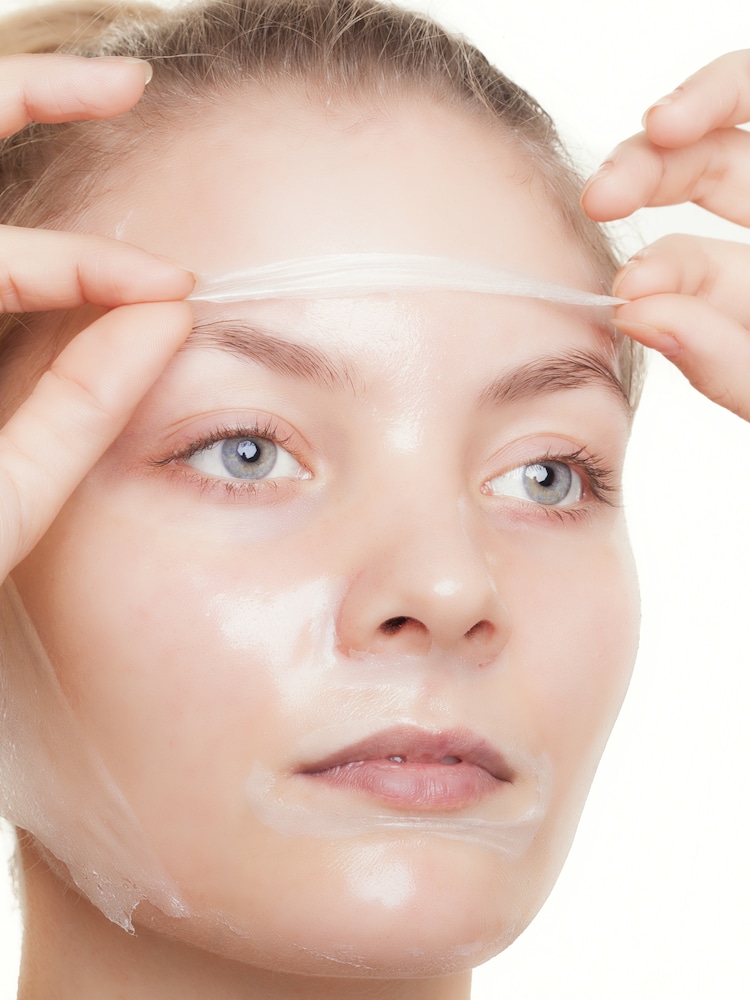
The doctor also pointed out that although a satisfying peel-off may be tempting, conventional and regular peel-off masks can be too harsh for the facial skin.
“This can damage healthy skin cells, causing inflammation and resulting redness. It’s also important to remember that not all of these are as effective at deep pore cleansing as they claim,” says Dr. Biyani.
Dr. Yadav also believes that this product is still relevant as people want quick solutions and faster results which it provides. It is also very easy to use and can be used by people of all age groups.
It has its benefits
- One of the main benefits of peel-off masks is exfoliation. The peeling action physically removes dead skin cells, potentially leading to a smoother, brighter skin texture.
- This exfoliation can also help unclog pores by removing surface debris and excess sebum, which can be especially beneficial for oily or acne-prone skin.
- Some masks claim to remove blackheads and minimize pores.
- Additionally, the tightening sensation during the drying process can temporarily improve skin firmness and reduce the appearance of fine lines.
- Many peel-off masks contain active ingredients such as antioxidants, vitamins, or botanical extracts, which may provide additional skin care benefits such as moisture or brightening.
- The process of applying and removing it can increase blood circulation in the skin, potentially promoting a healthy glow.
- Psychologically, the process of putting on and taking off a mask can be relaxing and provide a sense of self-care.

The side effects don’t go away
- It is important to note that pulling off dried matter from the skin can cause various side effects, especially for sensitive or vulnerable skin.
- The most common side effect is irritation, which can manifest as redness, itching or burning. This is often caused by the mechanical stress of the peel and the strong adhesives used in some formulations.
- In more severe cases, it can cause microscopic cracks in the skin, disrupting the skin barrier and potentially increasing sensitivity or vulnerability to infection.
- “For individuals with conditions such as rosacea or eczema, this trauma can make their symptoms more severe,” says Dr. Mahajan.
- Masks can also cause thinning hair to emerge, which can be painful and lead to folliculitis.
- There is also a risk of allergy from the ingredients present in the mask.
Pore-cleaning promise
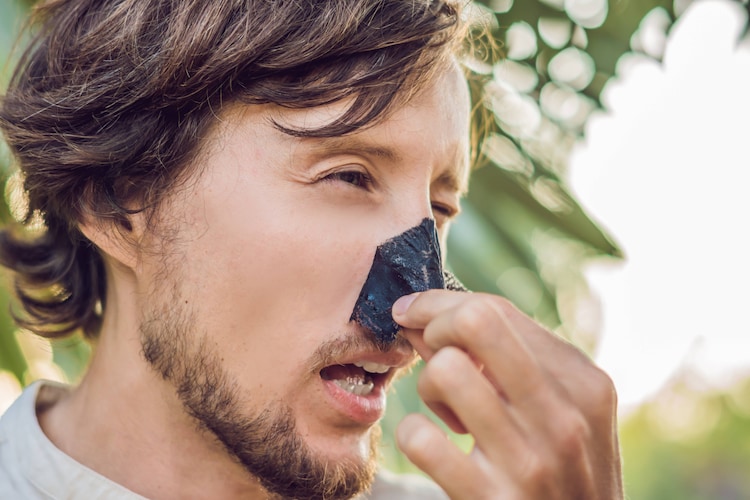
Peel-off masks often claim to clear pores and get rid of blackheads. However, Dr. Mahajan says this notion is somewhat misleading.
The doctor says, “While these masks can remove superficial debris and some excess sebum, their effectiveness in deeply cleansing pores and eliminating blackheads is limited and temporary.” He adds, “Blackheads are oxidized plugs of sebum and dead skin cells within the pores, which are often too deep-seated to be completely removed by the superficial peeling action of these masks.”
Dr. Mahajan further explains that what consumers often mistake for removed blackheads are actually sebaceous filaments or hair follicles that have been pulled out, causing the pores to become larger over time and leading to increased sebum production.
Meanwhile, Dr Yadav believes that peel-off masks do remove blackheads, depending on the ingredient in them, but you need a proper skincare routine to prevent them from recurring.
take away
Experts believe that today the beauty industry has developed a number of products that provide the same benefits, such as exfoliation, pore cleansing and skin brightening, without the potential risks associated with peel-off masks.
These options include chemical exfoliants (AHAs, BHAs), enzyme peels, clay masks, and hydrating sheet masks, which can provide targeted skin care benefits with minimal risk of irritation.
In the meantime, Dr. Biyani says, “Peel-off masks can be a good option for occasional use, especially if you’re looking for a cleansing treatment. They’re particularly effective at clearing away substances like oil and skin debris on the outermost layer of skin.”
However, the decision to use a peel-off mask ultimately depends on individual skin type, concerns, and preferences. It is important to do a patch test and not overuse the product. And, people with sensitive or problematic skin should stay away from peel-off masks.
Remember – don’t force it on! If it irritates or feels uncomfortable, it’s a good idea to remove it little by little with warm water.