



Pope Leo XIV says building AI is like building with God, urges techies to code with ethics and morality
Pope Leo XIV has urged scientists and leaders to ensure that AI respects human dignity and works in the common interest. His message calls for making technology an ethical and spiritual endeavor amid growing AI challenges.
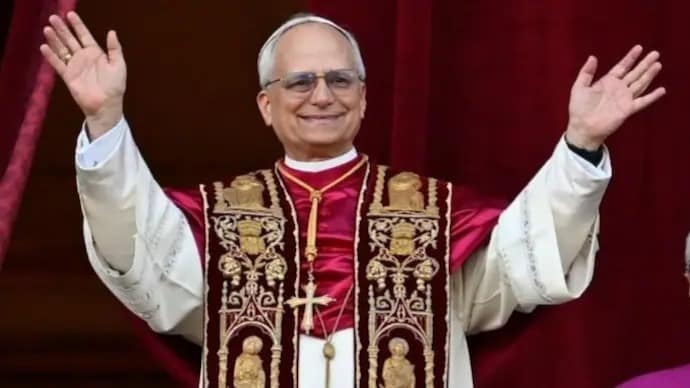

Artificial intelligence may be a buzzword in Silicon Valley, but in Rome it has become part of the broader conversation. Pope Leo XIV has once again turned his attention to AI, this time urging scientists, entrepreneurs and church leaders to ensure that new technologies “remain rooted in respect for human dignity and the common good.” In a message to participants at the Builders AI Forum 2025, held at the Pontifical Gregorian University, the Pope praised those trying to link innovation with moral and spiritual purpose. He thanked researchers, business leaders and pastoral thinkers for looking for other ways to serve humanity rather than technological advancements.
This is not the first time that the new Pope, who has made ethics in technology a recurring theme since his election earlier this year, has addressed the world of AI. In earlier speeches, he described artificial intelligence as one of humanity’s defining challenges, and warned of its impact on human dignity, justice and labour. However, this latest message goes even further: He wants AI creators to treat their work not just as an intellectual pursuit, but as a moral and spiritual calling.
What AI can do vs. what we are becoming
Pope Leo wrote in his address, “The question is not just what AI can do, but who we are becoming through the technologies we create.”
For him, artificial intelligence is more than code and calculations, it is a reflection of the human spirit. The Pope described AI as an expression of the creative potential that God has entrusted to humanity, calling the technological invention a “participation in the divine work of creation.” But, he said, with that gift also comes responsibility.
“Each design choice expresses a vision of humanity,” he warned, urging developers to “develop an ethical conscience as a fundamental part of their work.” He called upon scientists and engineers to build a system based on justice, solidarity and deep reverence for life.
Pope Leo’s words come as the tech world grapples with the ethical limits of automation, ranging from deep misinformation to the use of AI in warfare. While governments struggle to regulate, the Vatican’s message comes as a spiritual check-in to an industry that often moves faster than its conscience.
Building a bridge between trust and algorithms
The Pope also framed the challenge of ethical AI as a shared, ecclesial mission – one that extends beyond church walls or corporate boardrooms. “It should be a deeply religious endeavour,” he said, describing the creation of responsible AI as a modern dialogue between faith and reason renewed in the digital age.

He encouraged innovators to see their work as part of a broader mission: to put technology at the service of evangelism, education, health care, and human development. Be it designing machine-learning tools for hospitals or building a digital storytelling platform, every project should reflect a commitment to the common good, he said.
He reminded participants, “Intelligence, whether artificial or human, has its fullest meaning in love, freedom, and relationship with God.”
Pope Leo’s growing interest in AI mirrors his previous comments at the Vatican’s conference on technology and ethics, where he described artificial intelligence as an “extraordinary product of human genius” but stressed that it should always remain “a tool, not a master.” He also warned about the dangers AI poses to youth and urged parents and teachers to protect children’s moral and emotional development in a world of algorithmic influence.
With these statements, Pope Leo XIV has established himself as one of the few global faith leaders to directly engage with the ethics of artificial intelligence. His approach is not anti-technology, it is an invitation to incorporate code with conscience. In his words, the future of AI will not be defined just by its capabilities, but by what kind of humanity it helps create.