





OpenAI engineering boss says 95 percent of employees use Codex AI agents, calls human engineers wizards
It seems that more and more work within AI companies is now done by AI agents, supervised by human software engineers. At least that’s what OpenAI engineering head Sherwin Wu is claiming as he highlights the use of Codex AI within his company.

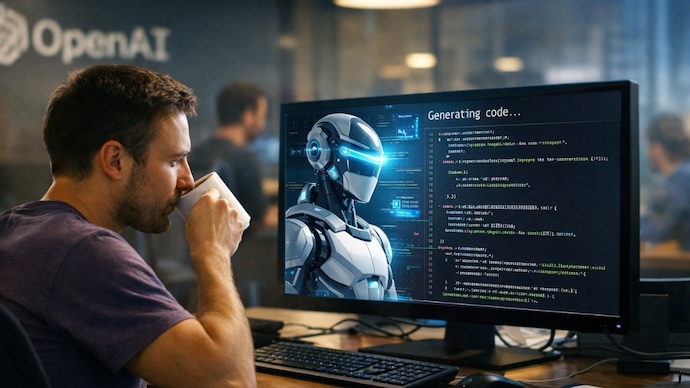


While independent confirmation is unlikely to emerge anytime soon, a senior OpenAI engineer is giving a glimpse into the future of software development and IT work, based on how his company is using Codex AI internally. Sherwin Wu, who leads engineering for some OpenAI products, claimed Friday that about 95 percent of engineers within his company are using Codex for their software development work. Codex is a special edition of ChatGPT aimed at performing IT tasks including coding.
In a recent episode of Laney’s Podcast, Wu revealed that the company uses the AI tool Codex every day. According to him, the AI system OpenAI helps engineers translate natural language – such as reading a prompt like “create this new feature” – into code. Additionally, Wu revealed that 100 percent of pull requests (code review requests) are handled by Codex AI before any code goes into the final product.
“Almost 100 percent (of the code) is usually generated by AI first. What we track though at this point is that the majority of engineers use codecs on a daily basis. So 95 percent of engineers use codecs,” Wu said in the podcast.
He says that engineers who use codecs are faster and more productive, suggesting that they are like magicians who can tell a tool what they want and then the tool delivers it. “(Coding) is literally a mantra now because you can tell the codec, you can tell the cursor exactly what you want it to do and then it will do the work for you,” Wu said.
Engineers are turning into AI agent supervisors
While coding is increasingly being taken over by AI, engineers are not sitting idle. The nature of work is changing and Wu at OpenAI revealed that engineers are coming forward to guide, edit and approve what AI produces. “Engineers are becoming technology leaders. They’re managing fleets and fleets of agents. It really feels like we’re magicians doing all this magic and that magic is kind of going out and doing the work for you,” he said.
Wu revealed that several of OpenAI’s engineers routinely connect 10 to 20 parallel AI threads together, signaling agents, checking progress, and steering the output. This automation is helping the company improve workflow and significantly increase output, he said.


AI agents still need improvement
Although all this may sound scary to software developers, and they may wonder whether they have a future in this profession, Wu says that AI still needs improvement before it can be trusted for coding tasks.
Wu acknowledged that AI agents still fail, often due to missing context or incomplete documentation. “A lot of times when the coding agent isn’t doing what you want, it’s usually a problem with the context and the information you’re given,” Wu said. “You either specified less or the codex doesn’t have enough information available on how to do something for the agent.”
Like other tech companies, OpenAI is inspiring engineers to pursue AI. Wu says he now spends more time supporting high performers who are willing to use AI. He believes that AI will allow managers to oversee larger teams. Wu advises his peers in the tech industry, “Find high performers in AI adoption and empower them. Let them create hackathons, hold seminars, share knowledge, and cultivate seeds of excitement internally.”