



New AI Stethoscope detects three major heart problems in 15 seconds
A new AI-competent stethoscope can detect three major heart problems within seconds. This technique detects quick diagnosis and first in normal clinics.


A stethoscope that can hear “smart” compared to human ear is being called a medical game-changer.
Researchers in the UK say that this updated version of the classic tool can detect three major heart problems – heart failure (muscle is not able to pump enough blood), atrium fibrillation (when the heart with very fast or very slow irregular rhythm), and valvular heart disease (one or more valve of the heart fails to function properly).
Stethoscope, was first invented back in 1816, has long been a doctor’s trusted companion to listen to the internal sounds of the body.
But when human ear can only lift sounds in the body, this new AI-capable device moves forward in several stages. Instead of a piece of normal chest, it has a play-card-shaped device with microphones and sensors. When placed on a patient’s chest, it records the sounds of both blood flow and the electrical signals (like ECG) of the heart.
From there, the information is sent to the cloud, where powerful AI algorithms are trained on data of tens of thousands of patients, analyzing it for hidden issues.
The results are then sent directly to a smartphone app, showing whether the patient may be at risk of heart problems.
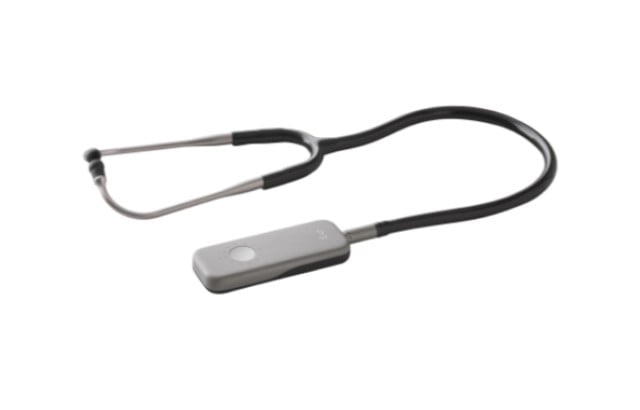
In a major study led by Imperial College London and Imperial College Healthcare NHS Trust, more than 12,000 patients were examined with AI Stathoscope, built by US company EKO Health. Their results were compared to patients with clinics who did not use the device.
The results were striking:

- Heart failure was 2.3 times more within a year.
- Abnormal heart rhythm (atrial fibrillation), which often has no symptoms, but enhances the risk of stroke, was likely to be 3.5 times more spots.
- Valve disease was almost likely to double.
Researchers published at the BMJ Open, “The statistical performance of these three AI algorithms has been shown to be high and consistent against international verification studies.”
AI stethoscope does not just work in hospitals, it can be used in normal clinics, which can quickly detect that it can be far more accessible.
The British Heart Foundation, which helped to fund a study called Tricarder, stated that this technique can speed up diagnosis and treatment for thousands of patients, potentially saving life.
Researchers are now planning to roll out technology for general practices in Wales, South London and Sussex.
With heart disease is still one of the largest killers in the world, researchers believe that this AI-operated stethoscope can bring a calm revolution for regular check-up-Doctors hold serious conditions long before the threat to life.