



Modi’s 2014 victory, demonetization, Atiq Ahmed: The real events that fueled Dhurandhar 2
Weaving together real-life flashpoints from the murder of Atiq Ahmed to demonetisation in India and Narendra Modi’s 2014 victory speech – Dhurandhar: The Revenge blurs the line between fiction and reality. Aditya Dhar uses recent history to give the grim narrative urgency, scale and unsettling authenticity.
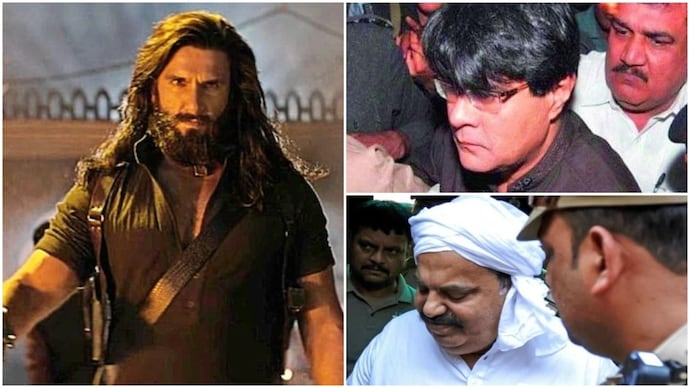

The Internet is busy digging out the “peak detailing” moments from Dhadandhar: The Revenge. And why not? The director has chosen to blur the lines between fiction and reality with a carefully woven series of real-life incidents in both India and Pakistan to deepen his narrative. Its purpose is to give the audience a lasting experience – to remind them of feelings and events they have heard, read before or discussed before. This is why Dhurandhar 2 seems to be standing the test of time. But what are these flashpoints?
❮❯
Director Aditya Dhar has used several high-profile incidents to ground the undercover mission of Indian agent Hamza Ali Mazari (Ranveer Singh) in the film. From the murder of Atiq Ahmed to demonetisation in India, and even Prime Minister Narendra Modi’s 2014 victory speech – the spy-thriller uses recent history to give urgency, scale and unsettling authenticity to its narrative.
Real-life flashpoints are woven into the plot
Major events depicted in Dhurandhar: Revenge include:
- Narendra Modi’s 2014 victory and rise to power: Portrayed as a turning point, the 2014 election victory and Modi’s swearing-in ushered in an assertive era, enabling bold counter-terrorism strategies in the world of film.
- Demonetization of 2016: An entire chapter dramatizes the November 8, 2016 announcement, showing PM Modi’s late-night address (with actual footage) dismantling terror funding through fake currency networks, dismantling the syndicates overnight.
- Atiq Ahmed’s murder (April 15, 2023): A chilling scene recreates the Prayagraj encounter, where the gangster-turned-politician was shot dead in police custody, based on the real-life media spectacle and documentary news reports indicating Ahmed’s ISI (Inter-Services Intelligence) links.
- YYogi Adityanath’s will mix in the soil Stance: References are made to viral clips and dialogues of the Uttar Pradesh Chief Minister’s harsh anti-mafia rhetoric, which strengthen the film’s narrative. “Will enter the house and kill“Subjects against underworld figures linked to cross-border networks.
- Elimination of terrorists: The alleged deaths of people like Azam Cheema, Sajid Mir, Abdul Bhuttovi, Altaf and Javed Khanani – individuals linked to Pakistan-based terrorist networks – have been re-imagined as the result of covert operations, linked to Hamza’s method of revenge.
These elements, despite being fictional according to the film’s disclaimer, draw direct parallels with real events, enhancing the scale of the narrative and making audiences feel the urgency of India’s security challenges.
2014 change: the dawn of a new theory
Dhar has cleverly used archival footage of Narendra Modi’s 2014 victory speech and swearing-in not just as a backdrop but as an ideological flashpoint. This marks the moment when India’s intelligence apparatus moves from control to measured aggression. For Hamza, hidden deep in hostile territory, this political reset translates into operational freedom: a “new hindustan (New India)” which no longer hesitates to strike at the roots of Pakistan’s terror financing and proxy networks. This sequence pulsates with the collective memory of millions of people who witnessed that electoral wave that transformed a genuine political milestone into the emotional engine of a long spy game.
Demonetization as a geopolitical scalpel
When PM Modi’s 2016 address plays verbatim on the screen, “Rs 500 and Rs 1,000 notes will cease to be legal tender,” the film turns a domestic policy into a silent battlefield victory. Hamza’s painstaking intelligence is shown to have been directly involved in the decision, thereby shutting down the lifeline of a massive ISI-Dawood fake currency racket allegedly aimed at destabilizing the Uttar Pradesh elections. Dhar combines real footage with the terror that gripped Karachi’s underworld, the long queues at ATMs and the economic disruption, into a cinematic masterclass in strategic policy.
Atiq Ahmed encounter: ISI-crime nexus
The film’s darkest scene recreates the Prayagraj shooting of April 15, 2023, with incredible fidelity – the media swarm, the custody drama, the point-blank justice. Yet Dhar adds a sharp edge: gangster Atif Ahmed is portrayed as an apparently ISI-linked operative, bridging the power of the local mafia with Pakistan’s terrorist network along with Major Iqbal (Arjun Rampal). Arms smuggling, drug routes, and terror funding pipelines converge in his shadowy empire until an encounter breaks the link. This creative layering turns a real-life headline into a chilling commentary on the crime-terrorism-politics nexus that no longer exists with impunity.

How Aditya Dhar blurred the lines
Dhar’s technique is adventurous: he inserts archival footage, recreates press conferences, and coordinates dramatic beats with historical timelines. Demonetization of 2016 is not just a backdrop, it is a weapon – “Operation Greenleaf” which “breaks the back” of terror financing, awakening public sentiments. Similarly, the encounter that inspired Atiq Ahmed underlines the no-holds-barred crackdown on the crime-politics nexus, which often links the ISI to the conspiracy.
Although Dhar says the film is inspired by fiction, dramatized for effect, the influence cannot be denied: flashpoints from history propel the revenge saga, making the victory feel earned and the stakes reinforced.
In Dhurandhar: RevengeDhar doesn’t just tell a story, it conveys the pulse of real events, proving that cinema can capture the country’s growing conflict with uncanny intensity.
The result is a thriller that doesn’t just entertain; It resonates because the headlines seem alive on the screen. Dhar has weaponized reality in the spy thriller. He presents a film that forces the audience to think about the thin line between reel and real.