





Is PCOS a lifestyle situation or have you inherited something?
PCOS is a complex hormonal disorder that affects many young women in India. Lifestyle changes and medical care can help manage it effectively.

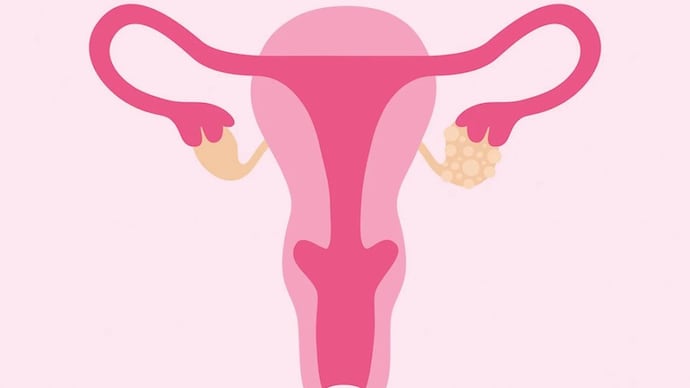


Ask any group of young women today, and there is a possibility that many people would have experienced or experienced about polycystic ovary syndrome, known as PCOS. Despite its prevalence, the illusion is what it really is, how it is different from PCOD, and whether it is inherited or inspired by lifestyle.
PCOS is a hormonal disorder where ovary produces high-to-normal levels of androgens, or “male hormones”. This disrupts ovulation, causing irregular duration, infertility, weight gain, acne and excessive hair growth.
Polycystic ovary disease on the other hand, slightly different. In Pcod, the ovaries release several immature or partially mature eggs, causing ulcers. While both conditions look the same, PCOS is more severe – it is a metabolism and hormonal condition that affects the entire body, while PCOD is limited to ovaries and is usually easy to manage.
Is PCOS related to genetic or lifestyle?
Dr. Nipi Sharma Chauhan, maternity and gynecologist, in the Safa Hospital in Mumbai states that it is not a simple “either” either. Both Genetics and Lifestyle play a role.
“PCOS seems to have a genetic factor. Research indicates that PCOS is more likely when a growing child is exposed to high levels of androgen or environmental pollutants during pregnancy. It can also run in families, and we see high predetermines between some groups, such as Asian,” she says.
This does not mean that everyone will develop PCOS with genetic links. “Not all with a genetic tendency for PCOS will receive it,” Dr. Chauhan explains.
Lifestyle plays an important role. Weight gain, chronic stress, poor sleep, physical inactivity and unhealthy food patterns can activate the trigger condition.
Why PCOS is so complex?


PCOS is not a “one-shaped-fit-all” disorder. Some women struggle with irregular periods and infertility, others increase metabolic complications such as insulin resistance and weight, and some experience all these symptoms simultaneously.
PCOS is a very diverse disorder. Dr. “Others may have only one or two symptoms, while some people may have full spectrum,” says Chauhan.
This makes the diagnosis difficult and requires a personal treatment plan. Unlike conditions with a clear set of symptoms, PCOS affects women in very different ways, which is why awareness is necessary.
Can PCOS be managed?
The good news is that PCOS is treatable. “Although PCOS is not a disease that requires a lifetime treatment, it can be managed effectively. With correct lifestyle modifications, medical guidance and preventive care, patients can maintain healthy metabolic parameters and live a normal life,” Dr. Chauhan assures.
Management of weight, eating balanced diet, regular exercise, reducing stress, and improving sleep hygiene can all create a real difference. Medications can be prescribed depending on the symptoms, but the foundation of lifestyle treatment remains.