



iPhone 18 launch next year: Apple said to fix a major problem with iPhone 17 and iPhone 16
While Apple’s iPhone 18 lineup offers meaningful camera, display, and performance upgrades to the Pro series, recent models are expected to refine controversial design choices.
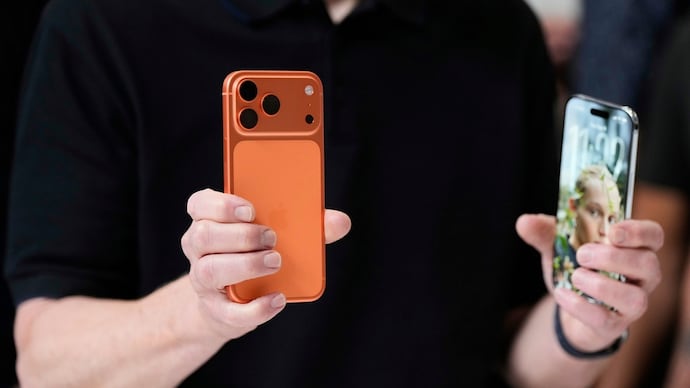

Apple’s iPhone 18 lineup, which is expected to launch next year, may quietly address one of the more debated design choices introduced with the iPhone 16 and continuing on the iPhone 17 series. According to a new report, Apple is planning changes to the camera control buttons, a feature that was meant to make photography faster but is dividing opinion among users. Here’s everything you need to know.
iPhone 18 launch next year: Apple said to fix a major problem with iPhone 17 and iPhone 16
The camera control button on iPhone 16 and iPhone 17 models provides quick access to the camera app and settings. While the idea seemed practical on paper, many users found it easy to accidentally trigger swipe-based gestures. Now, Apple is rethinking how this button works, starting with the standard iPhone 18.
According to the report, Apple is considering removing the capacitive layer from the camera control button on the regular iPhone 18. This means the button will lose its tactile sensitivity and haptic feedback, moving to a simpler, pressure-based design. With this change, users will no longer be able to swipe up on buttons, helping reduce unintentional inputs, which has been a common complaint since the feature was introduced.
The report doesn’t explicitly state whether these redesigned camera controls will also come to the iPhone 18 Pro models, but consistency across the lineup would make sense. Interestingly, rumors about simplified camera control buttons have surfaced before, suggesting that this change has been under consideration for some time.
While the report mentions that the redesign could help Apple cut costs, it also suggests that user feedback is playing a role. Apple has already started making changes to the behavior of camera controls through software. In iOS 18.2, the company added a “Require screen on” option, which gives users more say in when buttons respond. Additionally, swipe gestures are now turned off by default when setting up a new iPhone.
The launch timeline of the iPhone 18 series is also expected to vary. The iPhone 18 Pro and iPhone 18 Pro Max are expected to launch in September 2026, following Apple’s usual annual cycle. However, the standard iPhone 18 is reportedly being pushed to a later window and may not arrive until spring 2027.

iPhone 18 Pro leaked: Camera upgrade, design changes and more
Apart from the camera control changes, the iPhone 18 Pro models could be more ambitious. Reports suggest that Apple will eventually move the Face ID components below the display. With this change, the front camera is expected to sit in a small cutout located at the top-left corner of the screen, removing the pill-shaped dynamic island seen on recent Pro models. Nevertheless, overall design similarities with the iPhone 17 Pro are still expected.
Camera upgrades are also on the cards for the Pro lineup. Apple is said to be testing a mechanical iris system on at least one rear camera, enabling variable aperture. Analyst Ming-Chi Kuo previously mentioned that the main 48-megapixel camera on the iPhone 18 Pro models could support this feature. Unlike current Pro iPhones, which use a fixed /1.78 aperture, a variable aperture would allow users to control how much light enters the lens, providing greater flexibility over depth of field. That said, given the smaller sensors used in smartphones, the real-world impact remains to be seen.
On the performance front, the iPhone 18 Pro models are widely expected to come with Apple’s A20 Pro chip, built using TSMC’s 2nm process. Apple is also reportedly moving toward TSMC’s wafer-level multi-chip module packaging, which integrates RAM with the CPU, GPU, and neural engine directly on the chip. This change could lead to a significant increase in performance, better efficiency for Apple Intelligence features, better heat management, and even longer battery life. A more compact chip design can also free up internal space for other components.