



India Today Impact: X admits fault over grok AI porn, blocks 3,500 pieces of content

Following a report by India Today, Elon Musk’s social media platform This special report details the action taken by The platform has since blocked nearly 3,500 pieces of content and removed more than 600 accounts. However, the report questions the efficacy of these measures, quoting the sentiment that ‘just deleting those accounts etc doesn’t really solve any purpose, because even if you delete 10, another 100 will emerge.’ The discussion also included international reactions, stating that countries such as Indonesia and Malaysia are considering banning the AI platform, and highlighting that X has now limited image creation to paying customers, a move deemed inadequate by analysts of the program.
latest video
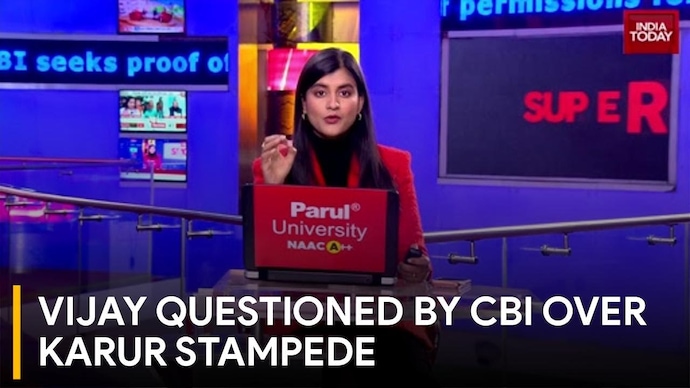
CBI interrogated actor-leader Vijay for 7 hours in Karur stampede case, denied TVK’s role
Actor-politician and TVK chief Vijay was questioned for over seven hours in Delhi by the Central Bureau of Investigation (CBI) in connection with the September 27 Karur stampede. According to sources, Vijay claimed that his party officials were not responsible and placed the blame for the tragedy. He reportedly said that ‘it was the responsibility of the Tamil Nadu Police to maintain law and order, but they failed to perform their duty properly.’ The CBI is now analyzing his statements along with other party members and police officials and corroborating them with video evidence. The questioning also focused on the seven-hour delay in his arrival at the venue and why he continued with his speech despite clear signs of chaos in the crowd. This comes at a time when Vijay is also facing legal hurdles with his film ‘Jannanayagan’, leading to stories of him being targeted by central agencies.
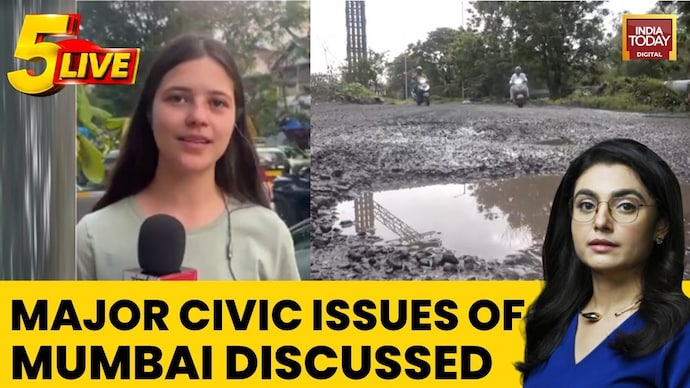
Before the civic elections, Mumbai is facing the problem of potholes, congestion and water.
The bulletin highlights key issues in Mumbai as the civic elections approach, focusing on challenges such as persistent potholes, floods, overcrowding and irregular water supply despite a significant municipal budget. One of the main points of the speaker is this: ‘BNP is the richest municipal body, its budget is more than Rs 75,000 crore. But still we see that these issues are linked and persist, for example, potholes, and this is a major issue for the city of Mumbai.’ The discussion also included skepticism towards political promises, such as the NCP’s commitment to deliver one lakh affordable houses and the introduction of freebies, which were traditionally reserved for state or national elections. Young voter engagement and their likelihood of participating in elections has been questioned, highlighting generational feelings of hopelessness and despair about Mumbai’s civic challenges.
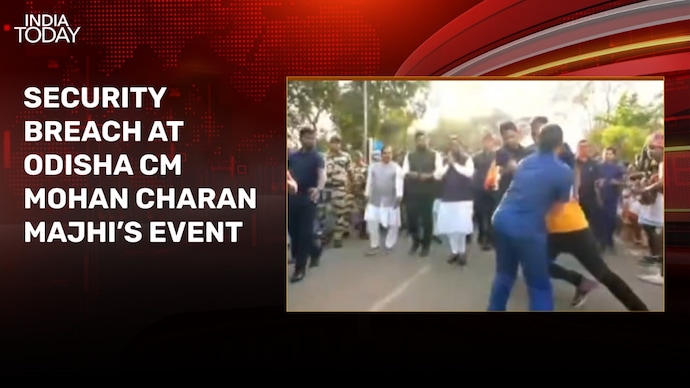
Security lapse during Odisha Chief Minister’s visit to Bhubaneswar
In a security breach, a man ran towards Odisha Chief Minister Mohan Charan Majhi when he was on his way to attend a public meeting in Bhubaneswar’s Vani Vihar.

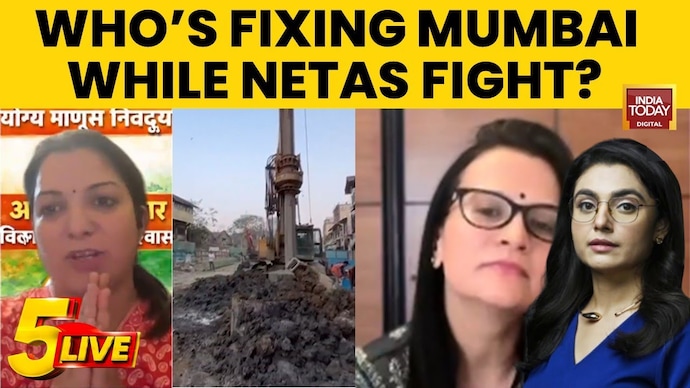
Meghna Pant on Mumbai elections: ‘We need problem solving, not just politics’
Ahead of the Mumbai civic elections, in this special report, writer Meghna Pant and comedian Aditi Mittal discuss the city’s pressing concerns. Pant makes a strong case for ‘boring, relentless, technocratic governance’ to deal with core issues such as bad drains, poor air quality and women’s safety. He argues that citizens deserve a city where they can not only survive, but thrive. ‘We need to stop all this noise,’ Pant says, urging a shift from slogans to data. In an ironic paradox, Aditi Mittal highlighted voters’ frustrations and joked that she supports parties with big posters that hide the city’s garbage and crumbling buildings. She sarcastically says that through political horse-trading, voters will ‘turn into donkeys.’ Discussion includes the need for accountability of politicians on civil emergencies including urban flooding, shrinking green spaces and traffic.