



December 31st brings together a large number of people to usher in the New Year. But when large crowds gather to party, some risks – such as overcrowding or alcohol-related violence – may increase.
Here are some tips to stay safe in crowded public places, so that you can have a happy year-end celebration.
Huge crowd of people in the city center
New Year’s Eve celebrations are usually free to attend without a ticket. This may make it difficult to predict how many people will come.
But public fireworks viewing events at midnight often attract hundreds of thousands of people in large city centres.
Revelers are spread out across open public areas rather than in a structured venue, and there are usually no formal security checks or restricted entry.
The danger of overcrowding often peaks shortly after midnight. During the night, the crowd usually grows slowly over several hours. Then, after the fireworks display, everyone runs to nearby transportation hubs to go home.
This surge in movement – where people flock to stations and areas with limited capacity – increases the risk of crowd crush.
How does crowd crush?
Crowd crush is not necessarily the result of a “stampede”, although it is a common misconception that this is what causes deaths and injuries in crowds.
In fact, crowding, or crowding, is a problem of excessive density.
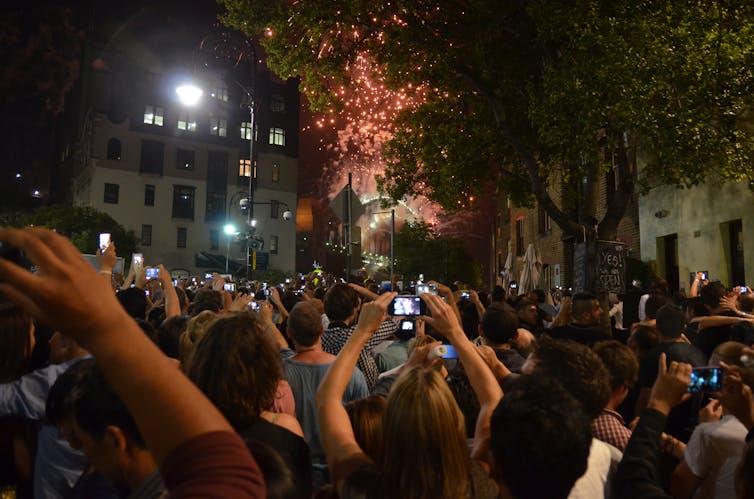
Under the pressure of the crowd, you will begin to feel yourself being pushed forward, often against your will, and this pushes others forward in a dangerous chain reaction.
In these situations, you lose the ability to move on your own will. The crowd begins to behave more like a fluid.
This disturbance occurs only in very dense crowds – usually when there are more than seven or eight people per square metre.
The danger increases when the pressure of congestion on a person’s chest and lungs becomes too great. This can lead to compression asphyxia – when a person can’t breathe because of excessive pressure on their chest.
A progressive mob may also collapse. If one falls, it can trigger a domino effect.
What can I do?
There are some things you can do to help reduce the risk of joining a crowd.
1. Plan your onward journey: Avoid areas that experience obstructions. Local authorities often plan how to spread out crowds and avoid overcrowding, for example by setting up multiple festival sites. Know where you are going ahead of time.
2. Delay your departure: If possible, wait a little after the fireworks display ends to avoid increased traffic on public transportation.
3. Monitor Congestion: Watch for early signs of a crush, such as slowing down or stopping. Try to avoid crowded areas and go to less crowded places (for example, the shore). Listen for distress signals from people around you or down in the crowd. And if you can, pass this information on – for example, by saying “stop walking” or “slow down”, which can reduce pressure.
People who are short or have mobility problems or anxiety about crowds (agoraphobia) may be at higher risk – so take extra precautions if this applies to you or someone you are with.
What about other risks?
extreme heat
New Year’s Eve is often extremely hot in Australia. The good news is that severe weather warnings are usually issued well in advance, so you can be prepared. Check the forecast, wear appropriate clothing and carry water with you.
If you are in a risk group (including elderly people, very young children and people with chronic conditions) be prepared to choose not to go if adverse weather is forecast.
fireworks
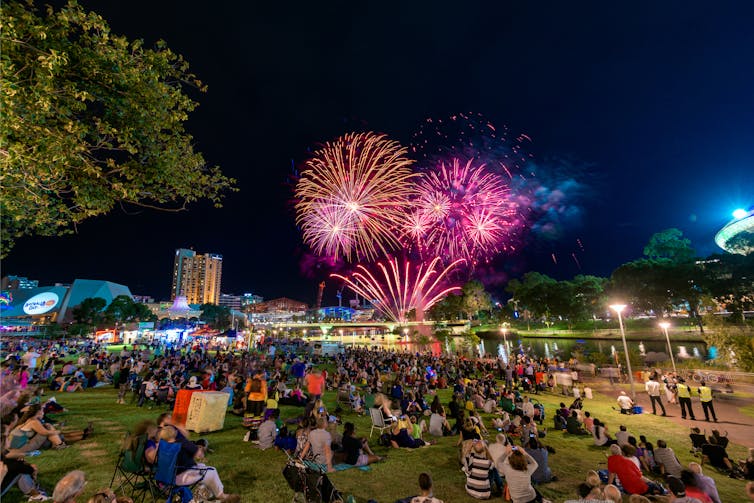
Fireworks are an iconic part of New Year’s Eve. There may be safety risks, but these come from personal fireworks, which pose a risk of fire and accidents.
Today, public fireworks displays are incredibly safe compared to private fireworks. Public performances are licensed by experts who follow strict rules.
Liquor
For many people a cheeky champagne is a must on December 31st.

Unfortunately, where excessive drinking is involved, the risk increases – including violent behavior in public or incidents of drink driving.
A study by the Victorian Health Promotion Foundation found that ambulance call-outs and emergency department presentations increase sixfold on New Year’s Eve.
Alcohol-related hospital admissions have increased fivefold.
During this period, emergency department visits for assault more than tripled.
But you can drink, party, and travel responsibly. Pace yourself, and always take a safe route to get home. Designate a driver, use public transportation, or call a ride-share or taxi.
terror
For the first time in a decade, Australia will celebrate New Year’s Eve at a “potential” terror threat level. This means that the possibility of an attack – although not imminent – remains significant enough to warrant vigilance.
If you notice any suspicious activity, report it immediately to your local designated hotline.
In case of an emergency, follow instructions from authorities and be aware of your surroundings. Avoid filming events as they unfold – prioritize your own and others’ safety over documentation.
The chance of something going wrong is usually quite low. But with millions of people attending so many events around the world, it’s good to know what the risks may be.
Being prepared means you can enjoy the festivities more safely.
,Author: Milad Haghani, Senior Lecturer in Urban Risk and Resilience, UNSW Sydney)
This article is republished from The Conversation under a Creative Commons license. Read the original article.
(Except for the headline, this story has not been edited by NDTV staff and is published from a syndicated feed.)