





First case of new ampox strain confirmed in Asia: Why is it dangerous?
Thailand has confirmed its first case of the new ampox strain, clade 1b, marking its entry into Asia. Meanwhile, Bangladesh and Pakistan have reported cases of the less severe clade 2 strain.

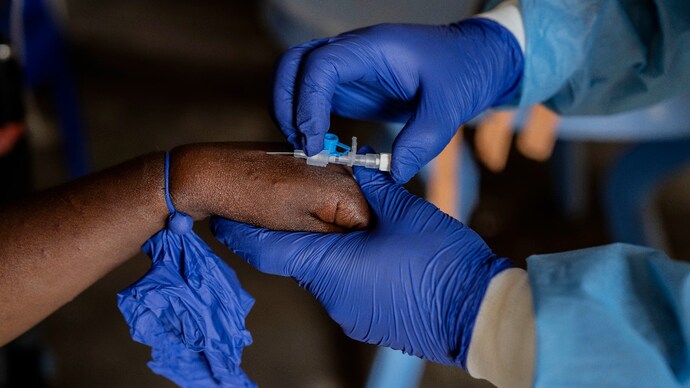
Thailand has confirmed its first case of the new ampox strain, meaning the Clade 1B strain has entered Asia. Bangladesh and Pakistan have also reported ampox cases, but they are of the Clade 2 strain, a less severe form of ampox.
Ampox, now declared a global health emergency by the World Health Organisation (WHO), has two main types circulating around the world.
There are two types of ampox (formerly known as monkeypox): clade 1b and clade 2.
The risk of severe illness and death depends on the type of virus as well as pre-existing health conditions and secondary infections.
“While strain clade 2 is mild and was responsible for the 2022 outbreak, the concern in 2024 is that a slightly more severe strain called clade 1, which is usually restricted to a few African countries, is causing cases in Sweden, the Philippines and Pakistan,” Dr Vikram Vora, medical director of International SOS, told IndiaToday.in.

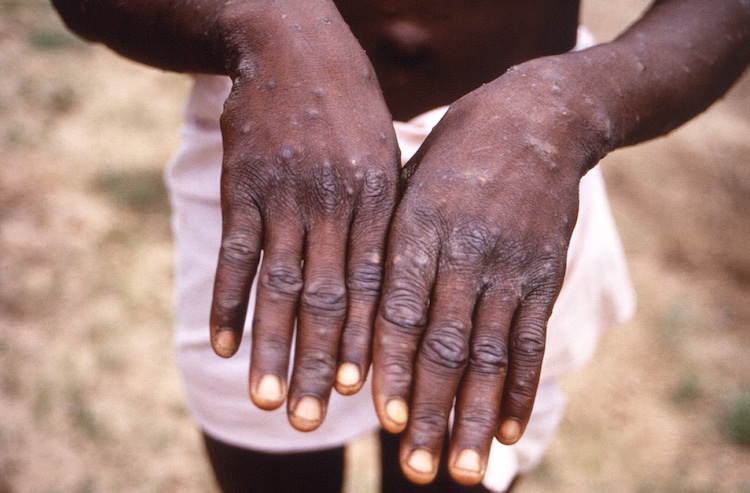
According to Dr Koussoum Hussein, consultant physician at Holy Family Hospital, clade 2 is “less severe and self-limited”, causing severe infections and death mainly in immunocompromised and advanced HIV patients.
“In contrast, the current strain, attributed to Clade 1, affects most (more than 50%) children under the age of 5 years and causes high mortality,” Dr Hussain said.
There are also currently clusters of infections linked to heterosexual intimate or sexual contact, which have been attributed to a new lineage, Clade 1b. Heterosexual infections were not common in the 2022 epidemic of Clade 2, the expert said.
“Clade 1b manifests as a rash that spreads all over the body or long-lasting genital lesions, which also spread through direct skin contact or materials contaminated with the virus, sometimes even through respiratory droplets,” Dr Hussain said.


Clade 1b, which spread rapidly in the Democratic Republic of Congo, leading to the World Health Organization’s declaration, also has a 5% increased risk of death in adults and 10% in children, much higher than clade 2 (less than 1%).
Human-to-human transmission of ampox occurs through close contact with an infected person’s body fluids, sexual contact or direct contact, contact with an infected case’s rashes or pustules, prolonged face-to-face contact with a sick person, and touching virus-contaminated objects, such as shared bedding or clothing.
Clade 1B, which is being called the new strain, is not a new variant. It was previously known as the Central African (Congo Basin) strain.
According to the World Health Organization, clade 1B causes death in about 3.6% of cases, and children are at higher risk.
After ampox became a global health issue, India has instructed hospitals, airports and border controls to isolate, manage and treat ampox patients. Although the country is on high alert, no cases of ampox have been reported so far.