





Dhurandhar’s Rakesh Bedi exposes Bollywood’s rigid hierarchy: Money was for the hero
Rakesh Bedi talks about the moment in his early career that exposed the power dynamics and hierarchy of Bollywood. The veteran actor also reflected on how the scale of stardom has changed over the years.

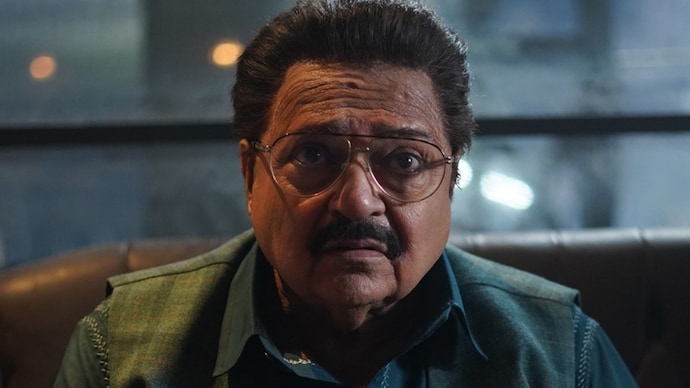


Actor Rakesh Bedi, famous for his role stalwart The film series recently shared insights about the evolving nature of stardom and recalled a challenging experience from his early career. The actor narrated an incident when he needed an immediate payment during the shooting of a film. Upon requesting her due payment from the producer, Bedi was told that the funds were reserved for the film’s hero. This moment, he explained, highlighted the hierarchical structure of the industry, where major stars often receive preferential treatment.
❮❯
in conversation with zoomBedi recalled, “MHe remembers once I was shooting and I needed money badly. And the hero in it was a big one, I will not take his name. When the producer came to the set, he had a packet of money in his hand. i see there is money in it (I remember once I was shooting, and I was in dire need of money. And the hero in that film was a big star – I won’t take his name. When the producer came to the set, he had a packet of cash in his hand. I could see there was money in it).”
Bedi further said, “So I spoke, I said, ‘Sir, my installment is due, I need money.’ He said, ‘Dude, I don’t have any money right now.’ So it came out of my mouth, I said ‘the money is there’. He said, ‘Yaar, hero ko dena hai hai’… and I realized that’s how it works (So I said, I told him, ‘Sir, my installment is due, I need money.’ He replied, ‘Man, I don’t have money right now.’ It came out of my mouth – I said, ‘But you have money.’ He said, ‘Man, it has to be given to Hero.’ And that’s when I realized how it works).”
Rakesh Bedi on hierarchy in the industry
Discussing the concept of equity, Bedi elaborated that an individual’s position is similar to the fluctuating value of a share. He said that just as the price of a share can increase from Rs 10 to Rs 1000, similarly people’s perception about the value of a person can change rapidly. Despite recognizing this, he stressed that hierarchy should not justify disrespect or poor treatment of individuals within the industry.
Bedi shared his personal stance on the honour, saying that he avoids asking a dress-man to help him put on his shoes unless necessary, as he finds it uncomfortable. He acknowledged that senior stars get better facilities because of their stature, but insisted that this should not mean looking down on others.
The actor reflected on the changing dynamics of fame and said that today, a single conversation can reach millions of people instantly, which is unlike earlier times when actors would value even a brief mention in a magazine.
“For me, all these are very small things. I am neither interested in things nor think much about them. I have seen this many times. I saw stardom after Yeh Jo Hai Zindagi. I saw stardom after Mr. Smt. I saw it after Chashme Baddoor. But then what, the quantum of stardom was different, how big the quantum has become today.A,” he said.


(For me, all this is a very minor thing. I neither have any interest in these things nor do I think much about them. I have seen this many times. After this I saw stardom) this is what life isi watched it again later mr mrsAnd after this May harmful sight not fall on you Too. But then the scale of stardom was different. Today, the scale has become so big).”
Bedi admitted that although she is slowly adapting to this new era of instant fame, she is still becoming aware of its full implications.
his pakistani portrayal politician jameel jamali stalwart The series received widespread praise, further strengthening his position in the industry.