


Dell and HP are raising laptop prices, buy now or be prepared to pay more
Memory chip shortages caused by rising AI demand are causing laptop prices to rise, forcing PC makers like Dell and HP to pass on higher costs to consumers.
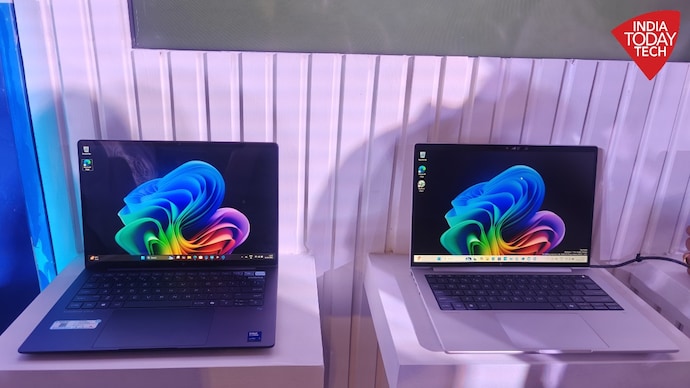

Laptop prices are quietly heading north, and buyers may soon feel the impact. A shortage in the supply of memory chips, due to increased demand from AI companies, is prompting manufacturers to rethink pricing in the PC industry. Major players like Dell and HP have already started adjusting prices, indicating that higher costs may soon become the norm rather than the exception.
The problem is deeply rooted in the supply chain. Memory components such as DRAM and NAND, which are essential for laptops, desktops and gaming devices, are becoming increasingly difficult to secure at stable prices. According to IDC, the memory market remains under continued pressure this year, with supply expansion expected to lag well behind historical levels. That imbalance is now spilling over into consumer hardware.
Dell has already moved on. Internal pricing documents reviewed by Business Insider show that the company has raised prices on several Dell Pro and Pro Max notebooks and desktops with 32GB of memory. Change ranges from $130 to $230 depending on configuration. HP is also making similar preparations. On its November earnings call, the company’s chief executive said price increases were planned “across the board,” citing rising memory costs.
Warnings from industry leaders are becoming louder. Lenovo Chief Executive Officer Yang Yuanqing told Reuters that PC shipments could “face pressure” due to rising component costs. At Intel, Chief Executive Lip-Boo Tan offered little reassurance, saying “there may be no relief until 2028.”
Smaller manufacturers, who have fewer options to negotiate supply contracts, are feeling the pressure more acutely. The framework has raised prices several times since December. Corsair canceled customer pre-orders for the memory kits after realizing they were priced too low, later relaunching them at higher rates and citing rising market costs.
The disruption extends beyond the traditional PC. Valve has warned customers that its Steam Deck handheld may be “intermittently out of stock” in some regions due to memory and storage shortages. The company has also said that it may need to reconsider pricing and launch timelines for upcoming hardware, including its Steam Machine and Steam Frame devices.
Even the biggest players in the industry are acknowledging the pressure. Apple Chief Executive Tim Cook said on the company’s earnings call that memory prices are rising “significantly”, adding that the situation could impact margins. Elon Musk described the situation as a “chip wall” during Tesla’s fourth quarter earnings call.
At the heart of the shortage is fierce competition for production capacity. AI companies are absorbing large amounts of high-bandwidth memory to train language models and are willing to pay premium prices to secure supply. Memory makers, led by Samsung, SK Hynix and Micron, are increasingly directing output toward those high-value AI orders.

SK Hynix has already pledged to cap its entire DRAM and NAND output by 2026, while Micron has said supplies are likely to remain tight for the “foreseeable future.” With AI spending accelerating at companies like Microsoft and Meta, relief for consumer electronics seems far away.
In India, laptop prices on platforms like Amazon, Flipkart and Vijay Sales have not seen a sharp rise yet. But with manufacturers already adjusting prices elsewhere and executives openly acknowledging the pressure, higher costs may be only a matter of time.
The window may be closed for buyers waiting for discounts.