




CES 2026: Samsung brings huge 130-inch TV with Micro RGB display tech, takes big step on Gemini AI
CES 2026 is now in full swing and one of the items on display that has been the talk of the town is the new Samsung TV. Powered by the unique Micro RGB display technology, this is a big 130-inch TV.
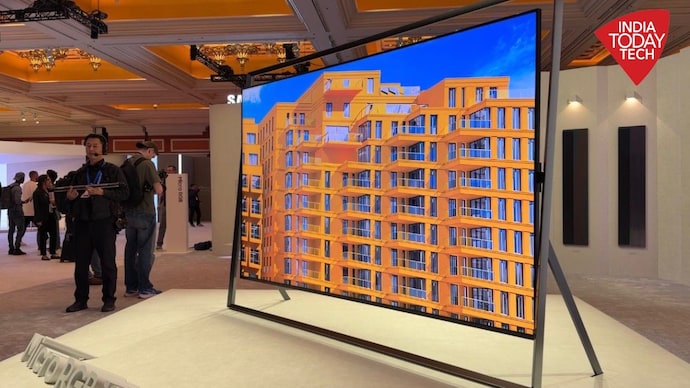

Walking into Samsung’s First Look 2026 event at CES 2026 in Las Vegas, it immediately became clear that this wasn’t about a product launch. This was Samsung setting the direction for the coming year. When the triple-folding Z Trifold smartphone was on display, the focus wasn’t on smartphones or wearables, but on something much more fundamental: a new display technology.
From the keynote to the exhibition space, the display was positioned as the center of Samsung’s AI-powered future. The event was largely about TVs, new panel technologies, intelligent screens woven into everyday life, and new AI experiences. The message from the South Korean tech giant was simple and reassuring; In 2026, if AI has a brain, the display will be its face.
And at the center of that message was a product that drew a crowd as soon as it was announced at the keynote.
The world’s first micro RGB TV
Samsung’s keynote at CES 2026 is the world’s first Micro RGB TV, and seeing it in person shows why the company is betting big on this technology.
Unlike traditional LED or Mini LED TVs, Micro RGB uses microscopic red, green and blue LEDs as individual light sources. This allows Samsung to control color and brightness at a microscopic level. The result is a display that looks less like a TV panel and more like a real artwork.
On the show floor, the difference was immediately noticeable. The technology was demonstrated on a massive 130-inch panel, where colors appeared more pure, blacks were deeper without crushing detail, and highlights emerged without the harsh blooming often seen on high-end LCD panels.
What makes Micro RGB particularly important is its positioning. It’s not just a concept or a promise of the future. Samsung is clearly considering this as the next step in premium home entertainment, aimed at consumers who want reference-level picture quality without stepping into ultra-niche territory.
In 2026, Samsung wants Micro RGB to represent what truly immersive home entertainment should look like.
Samsung’s new display technology announced
While Micro RGB grabbed the headlines, the broader performance story unfolded on the exhibition site.
Samsung also showcased advancements in Neo QLED, Micro LED, and lifestyle displays, all built around three priorities: better brightness control, better color quotient, and smart adaptability.
Some noticeable trends that Samsung focused on were real-world viewing and aesthetics. The panels were designed to perform consistently in a range of lighting conditions, whether in a bright living room or a dark home theater setup. Anti-reflective coatings, wider viewing angles and more efficient lighting controls were evident in many of the demos.
Large format displays were another attraction. These TVs are designed not just for movies, but for sports, gaming and shared viewing experiences.
AI and connected life beyond screens
Additionally, in its First Look 2026, Samsung showcased some of the new AI innovations it has added to its kitchen appliances, washing machines, robot vacuums, and home audio systems.
The idea was not just to add AI features to devices, but also to make them anticipate, talk to each other, and assist users in everyday tasks. We have seen a shift from standalone smart products to AI-enabled home ecosystems.
One of the biggest highlights was the upgrade to Samsung’s Family Hub smart refrigerator. The company announced that it is integrating Google’s Gemini AI into the fridge’s AI vision system. With this upgrade, the refrigerator can recognize a far greater range of foods and track them in real time without the manual tagging that earlier models required. This means you no longer have to guess whether you need milk or whether leftover pasta is still good. Fridge now offers personalized recipe suggestions, meal planning assistance, and even a weekly summary of food habits through a feature called Foodnotes.
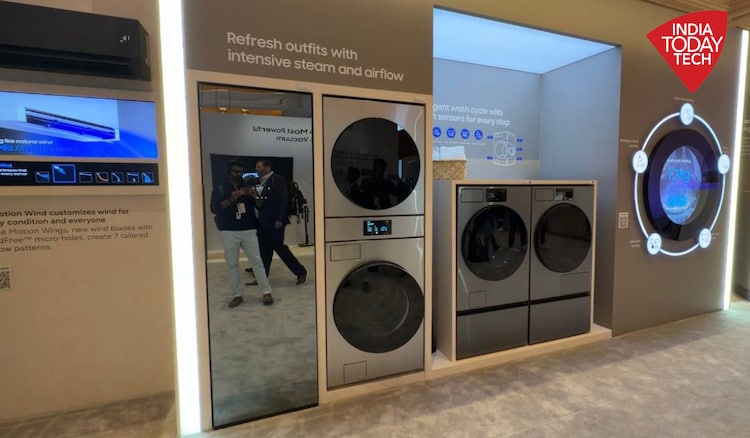
Right next to the fridge, I spent a few minutes with Samsung’s new bespoke AI washing machine and laundry combo. These devices aren’t just connected to Wi-Fi; They leverage AI to optimize wash cycles, predict fabric care needs, and reduce human error. In the demo zone, the machine automatically adjusted settings based on load type and fabric mix without me even touching a dial. If you’re like most users who often guess the correct settings, this seems like a thoughtful upgrade that saves time and guesswork.
Another highlight was Samsung’s new robot vacuum – the bespoke AI Jet Bot Steam Ultra. It also uses advanced AI sensors to detect transparent liquids like water or spilled juice, avoid them while cleaning, and adapt to moving paths. With AI support, you can easily tell the robot what to do, like “clean the living room floor after dinner,” and it gets to work. When idle, the robot works as a monitoring device – sending alerts about pets or unexpected activities while you’re away.
Behind all this is Samsung’s broader commitment to Google’s Gemini integration into its AI ecosystem. The company is expanding Gemini-powered features to millions of devices in 2026, including not just phones and TVs but refrigerators, washing machines and more. Samsung co-CEO, TM Roh, said earlier this week that the company plans to double the number of devices running Gemini-powered AI features to about 800 million units by the end of the year, underscoring how important this partnership is to Samsung’s strategy.
