



Can a 12-Week Keto Diet Help Cure Your PCOS?
PCOS has many symptoms including irregular menstrual cycles, excessive hair growth, acne, and fertility problems.
In short
- At least 22 percent of Indian women suffer from PCOS
- PCOS causes hormonal imbalance, irregular menstruation
- Experts suggest that the keto diet may help manage PCOS symptoms temporarily
It would not be an exaggeration to say that when a woman suffers from polycystic ovarian syndrome (PCOS), her life changes. Difficulty losing weight, facial hair, unwanted acne, and of course, irregular menstrual cycles – there are so many symptoms that come with PCOS, and each one is worse than the other.
According to a PIB press release, around 22 percent of women in India suffer from PCOS. Worldwide, this number is around 6 to 10 percent. To put things in perspective, one in five Indian women suffer from PCOS.
What is PCOS?
Polycystic ovary syndrome (PCOS) is a common hormonal disorder that affects people with ovaries, usually during their reproductive years.
- It includes a number of symptoms, including irregular menstrual cycles, excessive hair growth, acne and reproductive problems.
- During this condition, many small follicles develop in the ovaries (often referred to as cysts) that disrupt regular ovulation.
- This hormonal imbalance often involves increased levels of androgens (male hormones), which contribute to a number of physical symptoms. Related to PCOS
- PCOS causes insulin resistance, which can increase the risk of developing type 2 diabetes and make it difficult to lose weight.
- Women with PCOS also have a higher risk of obesity, cardiovascular problems, and sleep disorders.
Now, in case you are wondering, why a disease that affects women and has so many symptoms and effects, must have required extensive studies to find a cure. But that is not the case.
In fact, there are even fewer studies on managing PCOS, with most experts suggesting ‘lifestyle changes’ like diet and exercise as a solution for PCOS.
12 Weeks of Keto for PCOS
Due to limited scientific solutions for PCOS, women have taken a different route to manage their condition.
From hormone-regulating medicines to hacks, juices, recipes and what not, they are trying out various ways to cure or manage PCOS. These hacks are doing the rounds on social media and are creating quite a buzz.

One such so-called solution floating around the internet is that PCOS can be controlled with a diet called keto.Yes, Bollywood’s favourite) especially if done for up to 12 weeks.
But what do the experts think about this? Before that let us tell you what Keto diet is.
What is the keto diet?
The keto diet, or ketogenic diet, is one of the most well-known and well-researched diets.
From Alia Bhatt to Karan Johar, celebrities have talked about being on the keto diet to lose weight or stay fit.
In simple terms, the keto diet is one where we consume fewer carbohydrates and replace the required calorie intake with fat, explains Dr Ash Sujeeth G, consultant gynaecologist and obstetrician at PD Hinduja Hospital and Medical Research Centre in Khar, Mumbai. india today,
The specialty of this diet is that it consumes fewer carbohydrates per day – less than 50 grams (The daily recommended dietary allowance for carbohydrates is 130 g/day) – Different amounts of acceptable fat and protein are calculated based on ideal body weight, explains Dr Nazia Dalwai, a Mumbai-based gynaecologist and obstetrician.
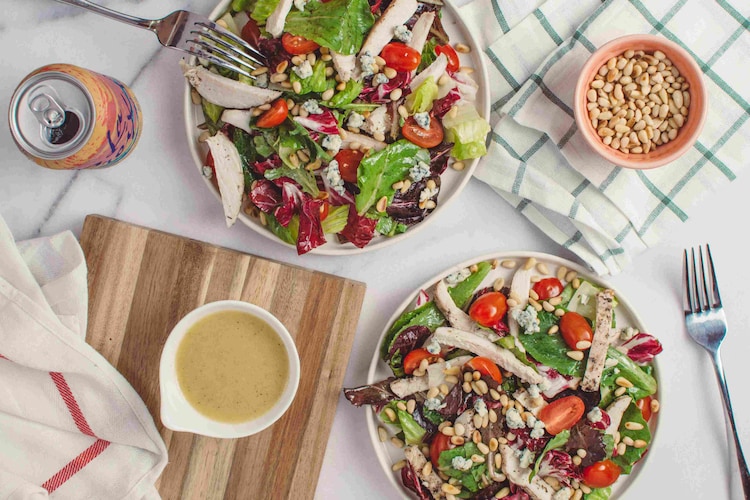
Dr Deepika Agarwal, director of obstetrics and gynaecology at CK Birla Hospital, Gurugram, agrees. She further explains that when people opt for this diet, the main goal is to shift the body’s metabolism from glucose, which is usually derived from carbohydrates, to relying on ketone bodies derived from fat as the main energy source.
Dr Agarwal says, “This is a very high-fat diet, usually consisting of around 70-75% fat, 20-25% protein and about 5-10% carbohydrates. Thus, such a drastic reduction of carbohydrates leads the human organism to a state called ‘ketosis’, which means it will start burning body fat for fuel.”
Can keto cure your PCOS?
india today I spoke to several experts and all of them suggested that keto can help control PCOS, but it is not that simple. Also, the cure may be temporary and just initial.
Dr Nishi Singh, Head of Fertility, Prime IVF, Gurugram, says that a 12-week keto diet can provide some initial relief from PCOS symptoms.
“The keto diet, which focuses on high healthy fats and low carbohydrates, has shown promising effects in women with PCOS. It may help control insulin levels, reduce inflammation, and improve hormone balance. Within 12 weeks, you may experience some initial improvement in symptoms such as fewer cravings, better energy levels, and potentially more stable blood sugar levels,” she says.

However, she says it usually takes longer to achieve significant and lasting improvements, and there’s a good chance you’ll gain the weight back once you stop the diet.
Dr Latha Sasi, chief nutritionist and head of the department of clinical nutrition and dietetics at Fernandez Hospital in Telangana, agrees and says that a brief 12-week keto trial can provide initial information, but a calorie-restricted, balanced diet and proper exercise regime should be followed for long-term effectiveness.
“Although the keto diet, especially the very low-calorie version, may offer some benefits for managing PCOS, it is not a universal solution,” says Dr Shashi.
Dr. Agarwal says that it is essential to consult a healthcare provider or dietician before starting the keto diet, especially for managing PCOS.
This diet may have some short-term side effects such as:
- dehydration
- transient hypoglycemia (low blood sugar)
- lethargy (sleepiness)
- Halitosis (bad breath)
And
- Gastrointestinal problems.
He further added that long-term effects may include hypoproteinemia, hypocalcemia, lipid profile changes, urolithiasis, gallstones and hair loss.
What to eat during the keto diet?
- The ketogenic (keto) diet focuses on reducing carbohydrate intake and increasing the intake of healthy fats.
- Ideal foods include avocados, olive oil, coconut oil, nuts, seeds, and fatty fish like salmon.
- You can also eat meat, poultry and low-carbohydrate vegetables such as leafy vegetables, broccoli and cauliflower.
- Dairy products such as cheese and heavy cream can be included in limited quantities, as well as berries such as strawberries and blueberries, which are lower in carbohydrates than other fruits.
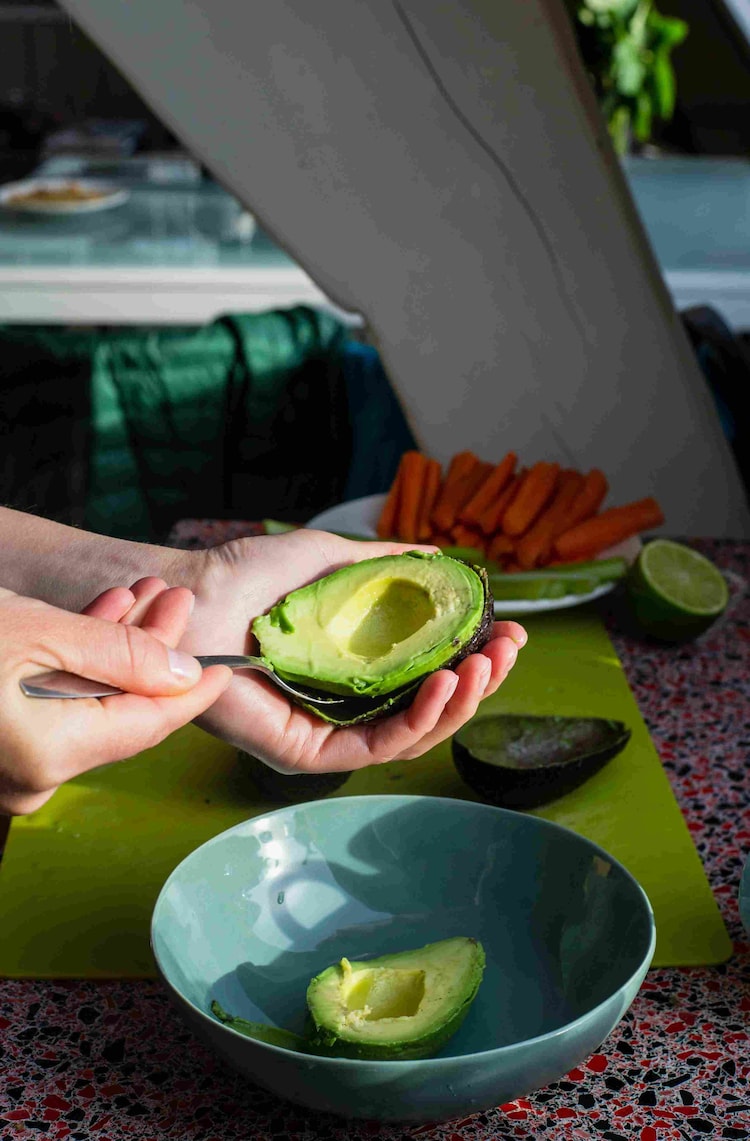
- Avoid High-carbohydrate foods such as cereals, bread, pasta, and sweet snacks.
- Fruits such as bananas, apples and grapes, which are high in natural sugars, should also be avoided during this diet.
- Avoid processed foods altogether, especially those containing trans fats and added sugars, and starchy vegetables such as potatoes and corn.
- Alcohol, especially beer, and sugary cocktails can also disrupt ketosis, so their intake should be limited or avoided altogether.
Ground Level
Experts suggest that despite the known positive effects of the ketogenic diet, some women may be happy with the initial results, including increased insulin sensitivity and modest weight loss, even for PCOS. However, realistic and more noticeable gains will take longer and the keto diet alone is not enough.