



BTS’ comeback album Arirang review: Seven voices, an evolving identity
BTS returns with ARIRANG after a long hiatus and military service, blending tradition and innovation to showcase their evolving identity. This album marks a new chapter where each member’s unique voice contributes to a fluid, dynamic collective sound.
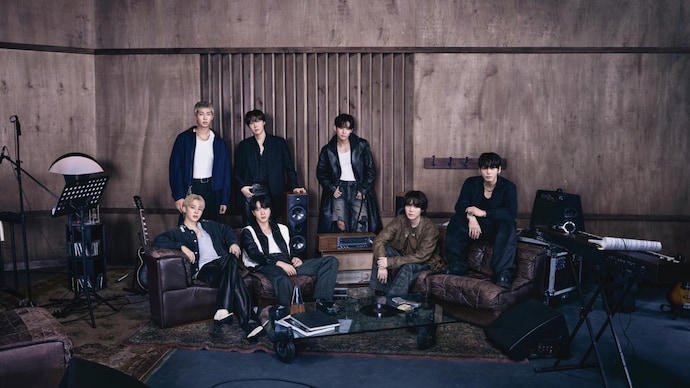

when bts opens Arirang With RM’s rallying call – “I need the whole stadium to jump” – it feels like familiar territory. Stadium-ready, high-octane, clearly BTS. But this familiarity is a pretense.
What happened after this is not a victory march. It’s recalibrating as Bangtan Arirang The return comes as a later statement. A gap of about 4 years and military conscription. Out of time, out of global expectation, and shaped by a group that isn’t interested in staying sonic or culturally stable. If earlier eras were about arrival, this one is about negotiation: between past and present, between identity and perception, control and liberation.
❮❯
And crucially, it’s an album that only works because all seven members are in constant motion, individually distinct, yet structurally interdependent.
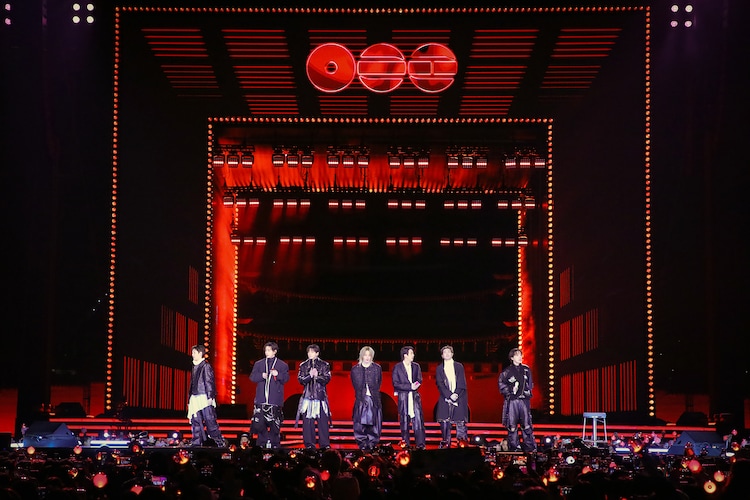
Reclaiming Arirang: Fluid Identity on Fixed Tradition
The album’s most original choice lies in its treatment of its name.
Instead of associating ourselves with the traditional interpretation of ArirangBTS redefine it as something fluid – less a folk reference, more an emotional continuum. As mentioned earlier, it is a folk song sung to describe different emotions and not tied into one. That’s why it feels like a trump card to return with an album that’s so different in style but united by a theme. The multilingual approach reinforces this change. Rather than basing authenticity in language alone, the group extends it to tone, intent, and experience.
The question remains implicit but persistent: what makes something culturally “true”? Here, the answer is not correctness but consistency.
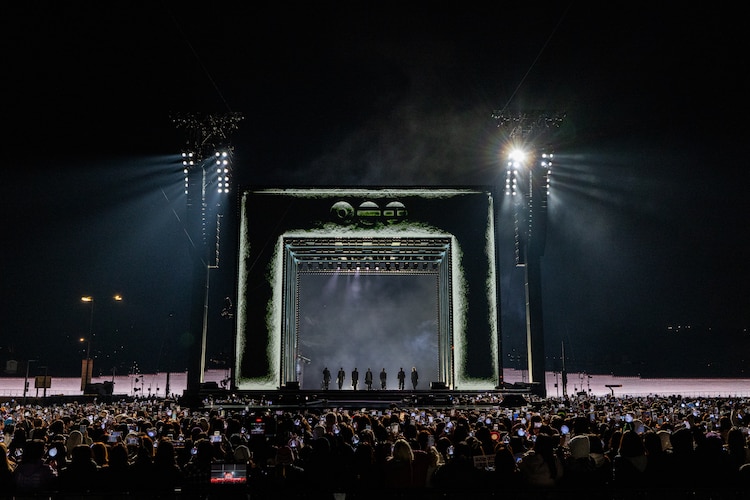
First movement: velocity, arrogance and controlled chaos
initial run-from body to body To 2.0-Intentionally overwhelming, almost confrontational in its pace.
body to body Operates on scale and authority. RM set the tone, saying, “I want the whole stadium to dance,” he yells, as J-Hope bends the beat to his will, and SUGA performs with surgical sharpness. The vocal line – Jin, Jimin, V, Jungkook – don’t just soften the edges; they widen the track’s emotional bandwidth.
Rogue Refusing easy solutions, escalates the tension further. The rap lines snarl, the vocals take a backseat and the pushing becomes an issue. ridicule’Ha ha ha ha‘The background vocals add an extra vibe to the entire track.
But aliensIdentity takes center stage, but without self-pity. Instead, it leans toward defiance, the idea that difference is not a burden but a stance. The way they look at being labeled as ‘aliens’ in the West before they take over the world will never cease to be ironic in the best possible way.
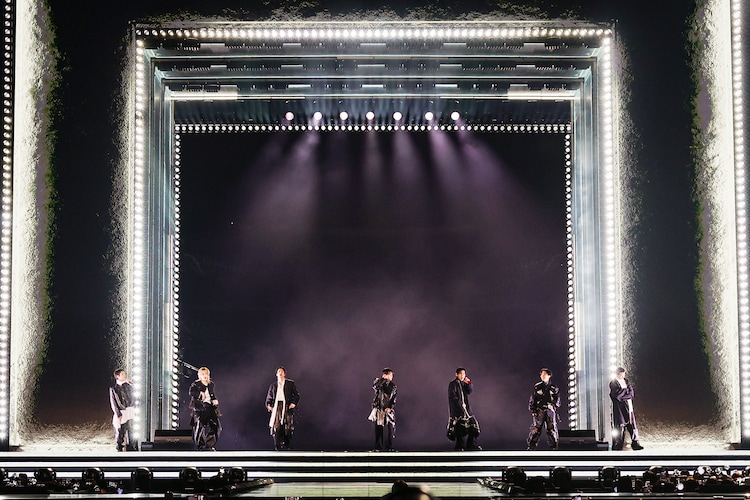
comes again F.Y.A.Which is chaotic by design. “Everything’s burning, it’s fire, everything’s big, it’s fire,” they shout in unison and control the attraction. Built on jittery, Jersey club-inspired production, it lets J-Hope move spontaneously while the rest of the group loosens up their usual precision. It’s messy, but intentionally so: control disguised as chaos.
2.0 Turns that chaos into reflection. RM and SUGA turn inward, interrogating legacy with a mixture of irony and weariness: “Yes, ‘like BTS’, it’s easy to say, right? / Ten years’ worth is not even a fraction” It’s one of the most self-aware moments on the album.
number 29: the hinge that holds it together
at 1:37 minutes, number 29 There is not just a gap. Built around the echo of the sacred bell of the great King Seongdeok, the track serves as a sonic reset. As RM noted in the studio commentary, its period reflects the natural decay of the bell.
It marks exactly the point where Arirang Exhales.
Without it, the album risks being ruined. Plus, the change in its second half feels organic.
float: trojan horse
Placed immediately after this reset, float Comes with deceptive ease. Its clean production and melodic clarity, driven by Jungkook, makes it instantly accessible. But its simplicity is almost strategic. Because within the architecture of the album, float Lifting things heavier than he can lift. It redefines movement not as escape, but as acceptance: a quiet insistence on moving forward without pretense.
As a title track, it sums up where BTS stands now, not chasing validation, but choosing direction.
Second movement: introspection, distortion and truth
From merry go round After this, the album turns inward. merry go round Prioritizes mood over immediacy, inspired by V’s depth and Jimin’s lightness. It sticks with you and keeps growing. General Cuts fast. RM’s writing dissects perception and narrative,”Now I understand the truth, some pain doesn’t go away“

like animals Goes on, removes the polish completely.
they don’t know about us Responds not angrily, but candidly: “We’re just seven people, even though you said we’ve changed? We feel the same way.” It subverts mythology without denying impact, a delicate balance that BTS has increasingly mastered.
one more night And Please Slow the pace but deepen the emotional register. Jimin and Jungkook glide in the former, while Jin anchors the latter with calm control.
in the sun: not an end, but a continuation
The closing track protests finality. “i will follow you till the sun” It reads as a promise that is constant, mutual. Between the artist and the audience, yes, but also within the group.
No one voice dominates. And, perhaps, that’s the point.
Seven members, one fluid center
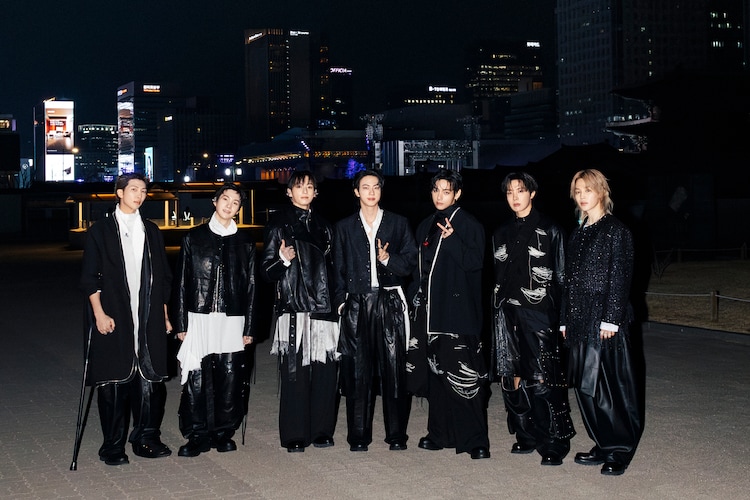
What Arirang Ultimately it turns out that there is not only development but also redistribution. Although the roles within the group seem unchanged, they do not limit themselves to those roles, which makes the album unique. Jimin is seen using a distinct low-register voice, with V rapping, Jungkook and V singing background vocals, raplines. It helps that, from their personal experience, the seven have learned how far they can push themselves, even within the group.
The lines are deliberately blurred. And in that blurriness, BTS finds something more durable than definition: adaptability.
Arirang BTS is not at its peak. Sometimes it gets fragmented. Sometimes, it feels like it’s pulling in multiple directions at once. But that’s what makes such a diverse, so experimental album still feel cohesive.
Because at its core, Arirang It is not just about development. It is about seven artists growing together without losing their individuality.
A new Bangtan without losing the old Bangtan.