



Beyond Chemo: How a new approach to recovery of cancer is changing life
There is a possibility of supportive care approaches such as nutrition and mental health to improve the quality of life during the treatment of cancer. But clear, evidence-based framework is still missing for widespread use.
When Kamla, a 47 -year -old woman from New Zealand, came to know about Stage 4 ovarian cancer, her hopes of recovery were reduced quickly. Kamala’s case is only one in 17 that includes squamous cell carcinoma globally developed from mature cystic teratomas.
After two surgery failed to include aggressive tumors, its scan revealed pelvic peritoneum, lymph nodes and metastases in the lungs. “There was nothing left for me in New Zealand,” he told Indiatoday.in.
When Kamala turned to an integrated approach to cancer care in India. At a private oncology center in Gurugram, she undergoes a mixture of traditional and individual remedies, including genetic profiling, nutritional intervention and chemotherapy guided by the use of natural compounds such as vitamin C and curcumin.
Three months later, he was declared cancer-free.
While Kamala’s story is extraordinary, it also brings an increasing question in the world of oncology: Should more cancer patients consider integrated therapy as part of their recovery?
What is integrated oncology?
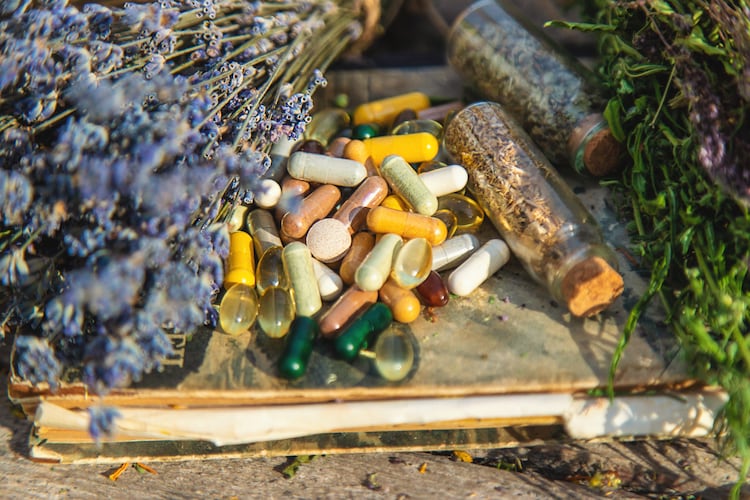
Integrated oncology does not aim to change traditional cancer treatment. Instead, it wants to complement it by a combination of individual nutrition, chemotherapy, radiation and surgery with mind-body practices, and, in some centers, elements of traditional medicine such as Ayurveda.
“We do not ask patients to release chemotherapy or surgery. It is the backbone of treatment,” said Arpan Talwar, co-founder of the Art of Healing Cancer Center, where Kamala was treated.
He said, “But there are intervals that traditional medicine does not always address, such as managing side effects, strengthening the immune system, or targeting mutations that do not yet have drugs. That is the place where the integrated strategy comes,” he said.
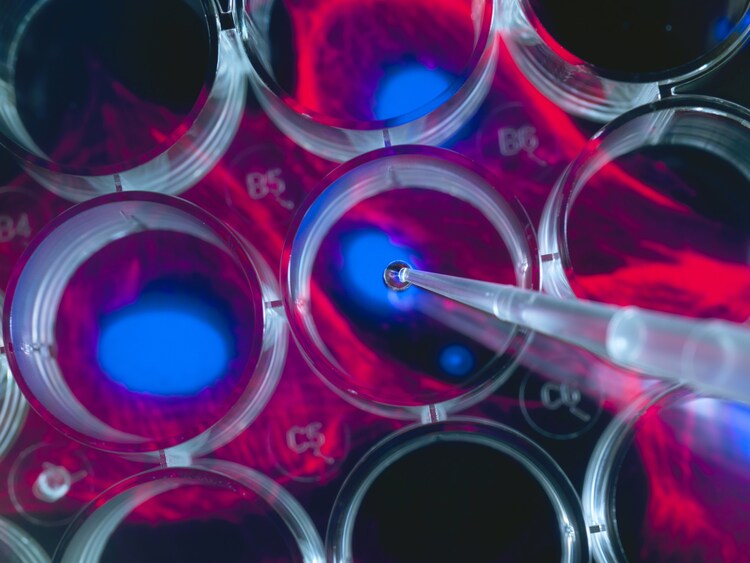
This approach has a central precise oncology, the idea that treatment should be guided by a patient’s unique genetic profile.
Roshika Tiwari, a genetic researcher at Gurugram-based cancer, said, “How do we treat tumor genes from chemotherapy drugs to diet.
This is not just theory. European research in the region is called the molecular tumor board (MTB) – a multi -disciplinary panel that guides the decisions of treatment based on genetic findings – receiving traction.
Lawyers to take care of MTB in hospitals, monitor care results in hospitals, monitor care results and support decisions on off-labeled or investigation therapy.
What does science say?
There is emerging evidence to support parts of integrated cancer care. For example, Principal Medicine has shown success in improving the reaction of treatment in various cancer by targeting actionable mutation.
According to the US National Cancer Institute, more than 400 cancer -related genes can now be matched with targeted treatments, although hundreds are still lacking drugs.
Nutrition, also, plays an average status role in recovery. Shikha Singh, a nutritionist at the Hemo-Ouncology and Bone Marrow Transplantation of the Fortis Memorial Research Institute, said, “Malnutrition and muscle loss is related to poor consequences. We have seen that when the individual and closely monitored of their diet, patients are fulfilled with less obstacles.
Singh recalled a breast cancer patient, who attained weight, energy and mental welfare through a high-protein, calorie-dense diet to suit the needs of his body, allowing them to end treatment on time.
But experts also warned against falling for FAD. Dr. Singh said, “There are many myths, such as cutting all sugar or being vegetarian to cure cancer. The diet should always be evidence-based and supervised.”
Take care
Despite the study of some notable cases, integrated medical in cancer remains a gray area in mainstream oncology.
Many natural substances are being used, there is a lack of large-scale clinical trials to confirm their benefits or interactions with curcumin, antioxidants, Ayurvedic herbs, chemotherapy.

However, according to experts, the problem is not considering, it is a lack of regulation. A combination of alternative remedies with traditional treatment requires proper monitoring.
Some doctors also raise concerns about commercial clinics that promote unproven combinations of herbal remedies and promote dietary changes as “treatment”.
While genomic tests are becoming more accessible, it remains expensive and is limited to urban centers in India on a large scale, and “before we can democratization of accurate oncology, before a long way can be carried out,” Tiwari said.
Integration requirement, not polarization
Globally, integrated oncology is recognizing, not as a replacement but as a partner. Major cancer centers in Europe and America are used with yoga therapy, nutrition genomics and stress-abundance programs, especially for patients in advanced stages.
The founder of Art of Healing Cancer, Dr. Mandeep Singh believes that the future of cancer care should be interdisciplinary.
“We already use substances like turmeric or vitamin C. The question is: Can we use them in accurate doses, supported by genetic science, with traditional treatment? That is what we are trying to find out,” Dr. Singh said.
The expert suggested the ability of supportive care approaches such as nutrition and mental health to improve the quality of life during the treatment of cancer. But clear, evidence-based framework is still missing for widespread use.
Should we turn to integrated medicine?
For patients like Kamala, integrated medical life was about to change life. For others, it can complement, or even unnecessary.
The real question is not whether integrated oncology works for everyone, whether we are ready to take care of cancer around the person, not only the disease.
This involves the permission for experimentation, unless it lies in science.
Until more large -scale studies are released, experts recommend caution, cooperation and clarity.