



It was an interesting year for tablets as we saw hundreds of new slates on shelves. From compact offerings with flagship specs to established ultra options from the likes of Samsung and a great selection of budget options, the 2025 doesn’t disappoint.
And while Apple continued to dominate the tablet sector in terms of shipments for another year, we also got some great offers on the Android side. generally difficult to detect The best devices in the product category with so many releases, but we’ve gathered a bunch of our top picks for the best tablets of the past year and are presenting them in no particular order.
iPad Pro 11 and iPad Pro 13 (2025)
Although the latest generation of Pro iPads are not much different from their predecessors, they still represent the best in the segment. The M5 chip is arguably the most powerful SoC, even though iPadOS is still a long way from taking advantage of all the raw power it has to offer.
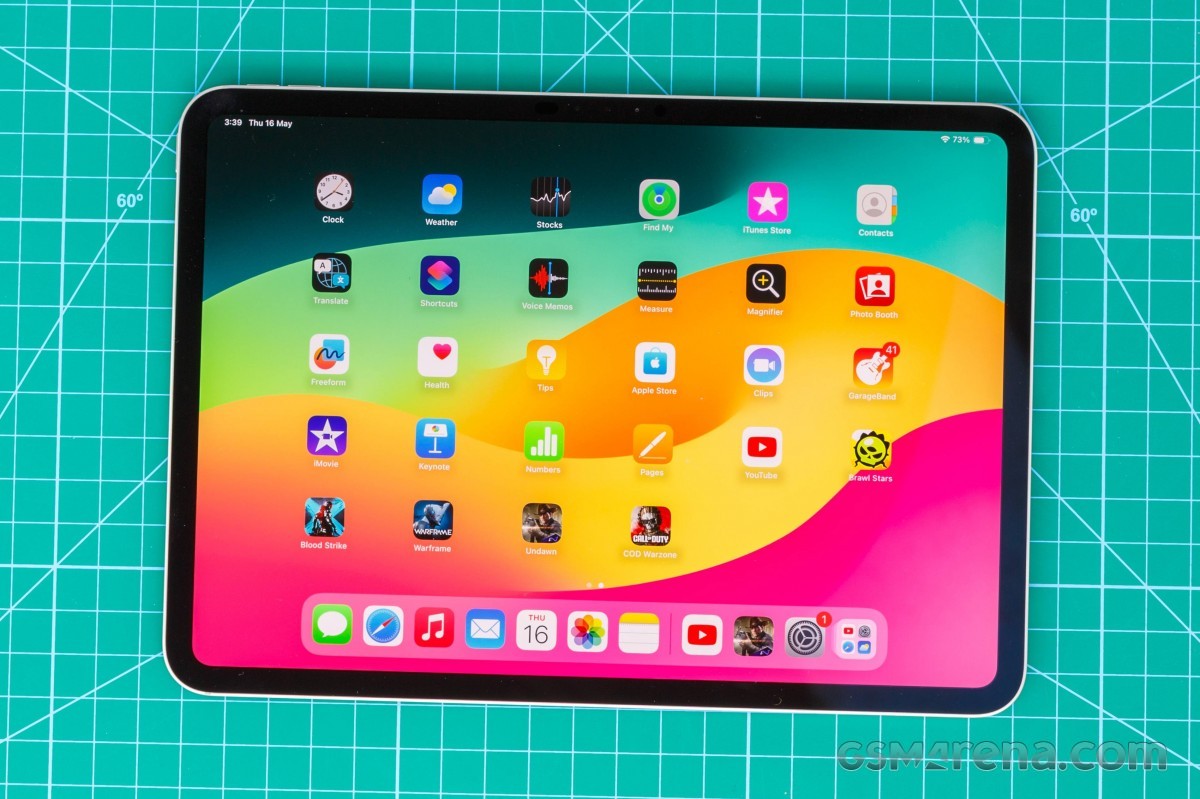
There are some tangible benefits, however, as the new Pros can now output up to 120Hz to external displays, as well as add support for Adaptive Sync (VRR). You also get 12GB of RAM as standard in both sizes, along with better connectivity with Apple’s in-house N1 networking chip featuring the latest Wi-Fi 7 and Bluetooth 6. The cellular versions also bring Cupertino’s in-house C1X modem, which has been a long time coming.
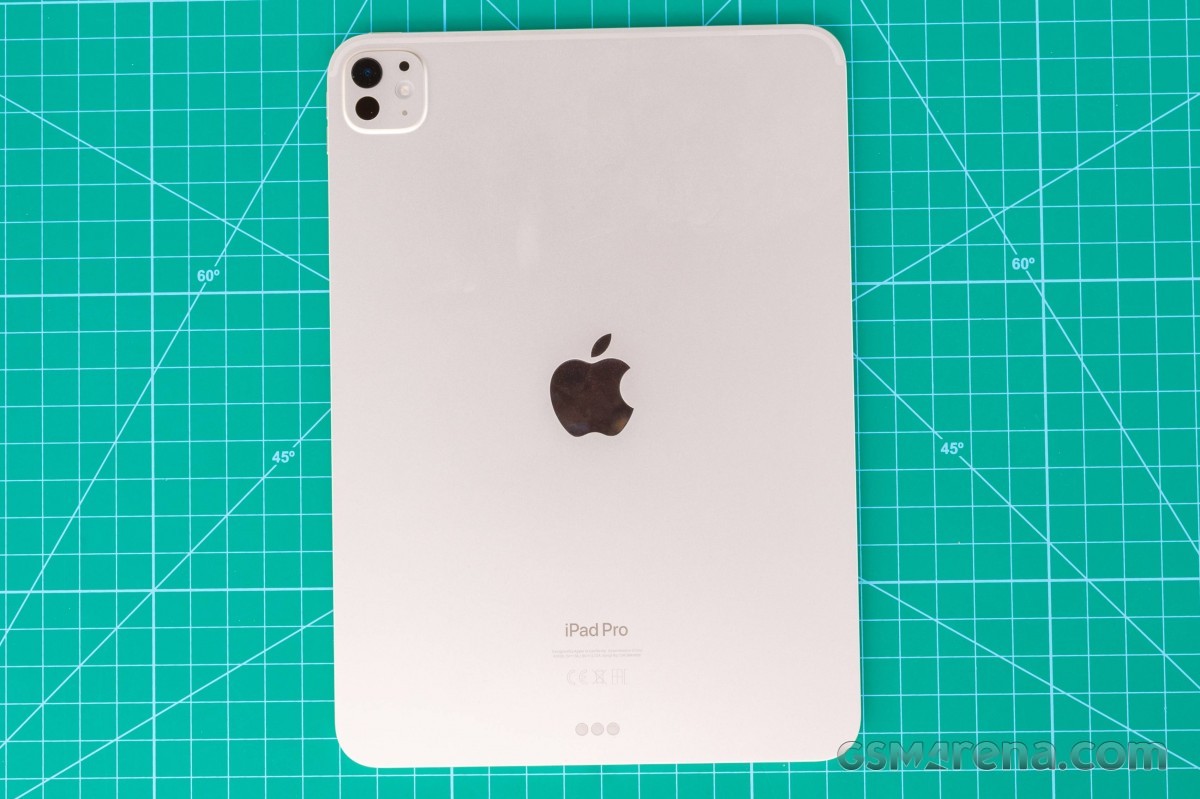
The Ultra Retina Tandem OLED on the iPad Pro is still one of the best displays on any mobile device, and if you’re willing to drop $999/€1,099/£999 for a tablet that still isn’t quite ready to replace your laptop, the premium build and slim industrial design are hard to beat.
Samsung Galaxy Tab S11 Ultra
But there are plenty of great iPad alternatives in the Android realm, and Samsung’s Galaxy Tab S11 Ultra might be the best large tablet out there.
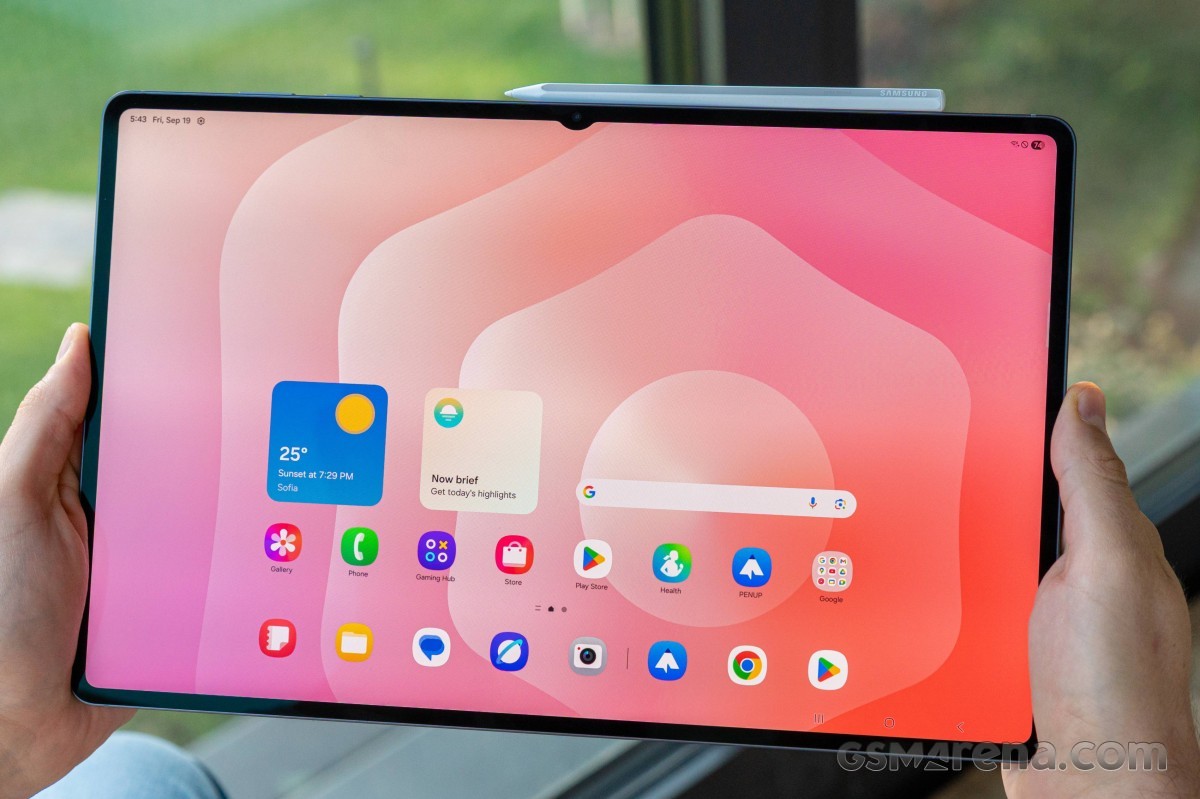
It’s physically attractive – a razor-thin 5.1mm aluminum unibody chassis with a massive 14.6-inch AMOLED panel paired with excellent quad speakers that screams for content consumption. And you’re getting a bundled S Pen stylus for creative work, which is always a nice addition.
Add the feature-rich One UI 8 based on Android 16, which together with Samsung DeX unlocks a proper desktop workflow. MediaTek’s Dimensity 9400+ chipset posted excellent benchmark scores during our review period, and the 11,600 mAh battery lasted more than 13 hours of use in our active usage scores, which was one of the best among the tablets we reviewed.
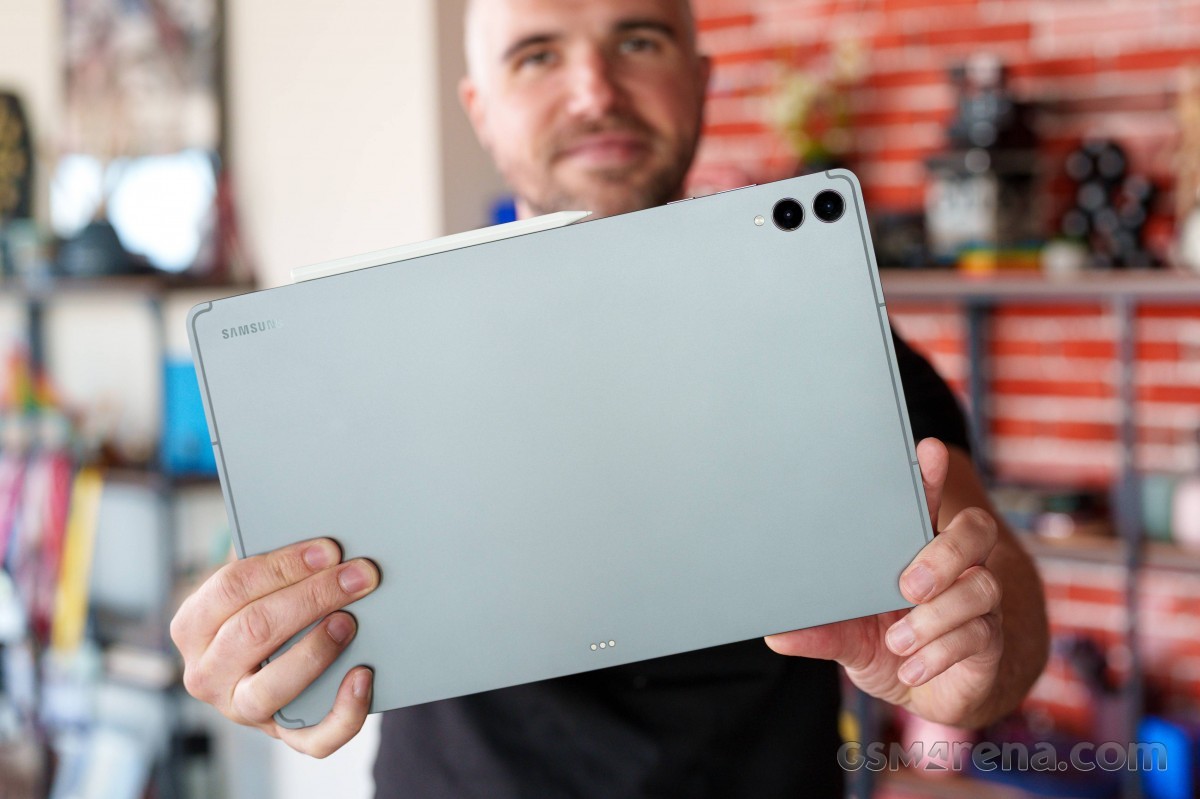
But like the iPad Pros, Samsung is asking for premium laptop money for a device that still isn’t ready to handle proper laptop tasks.
oneplus pad 3
The OnePlus Pad 3 is one of our favorites from last year, and it outperforms many of its major tablet rivals. With a starting price of $700/€599/£529, OnePlus managed to fit a high-resolution 144Hz LCD with excellent brightness for a non-OLED panel, Qualcomm’s flagship Snapdragon 8 Elite chipset, and a respectable 12,140mAh battery with fast 80W charging.
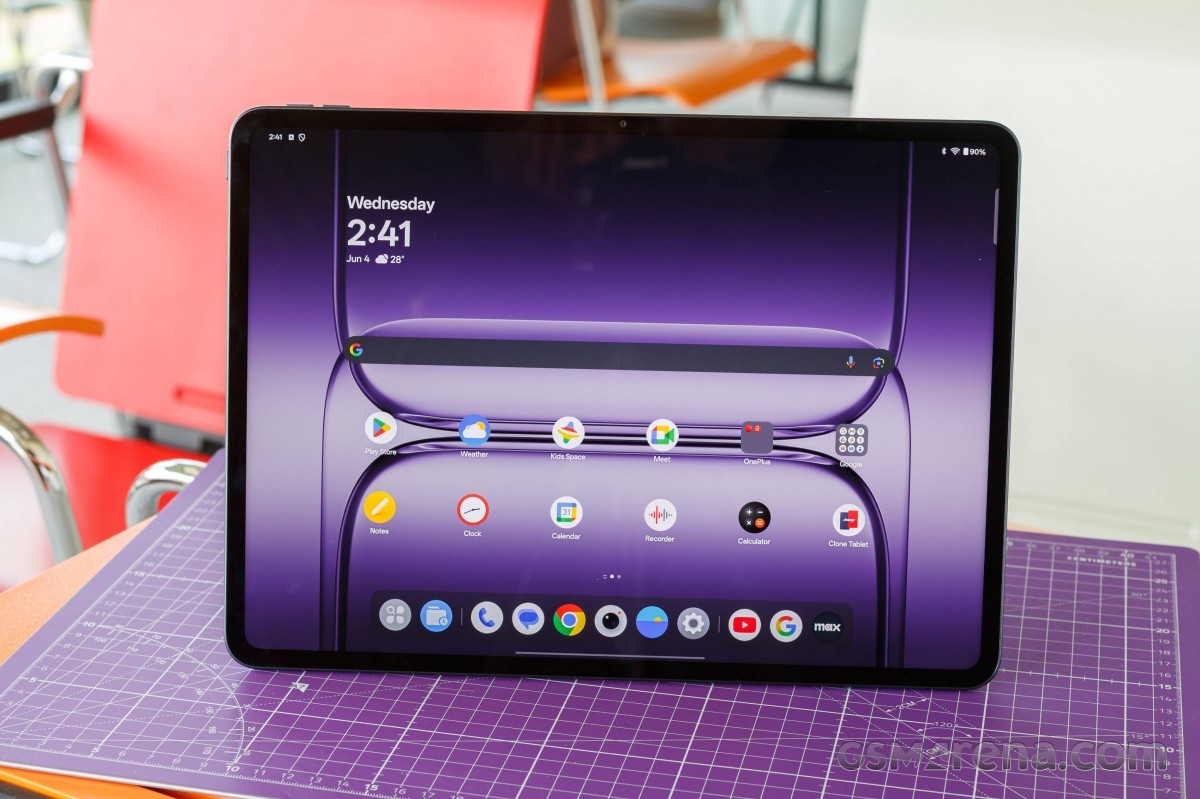
The OnePlus Pad 3 comes with OxygenOS 15 based on Android 15, but it also supports Oppo O+ Connect, which allows you to remotely control your Mac or Windows PC from anywhere as long as you have an internet connection.

Although this feature had its quirks during our review, we have to give OnePlus credit for giving it a real chance to replace your laptop, which has been a weakness of most other tablets.
redmagic astra
The RedMagic was one of the pleasant surprises of the Astra 2025, combining flagship features with a compact aluminum unibody. Built with a nearly 9-inch LTPO AMOLED display with a 165Hz refresh rate and featuring a top-tier Snapdragon 8 Elite chip and a respectable 8,200mAh battery with 80W charging, the RedMagic Astra provided a new opportunity for mobile gamers.
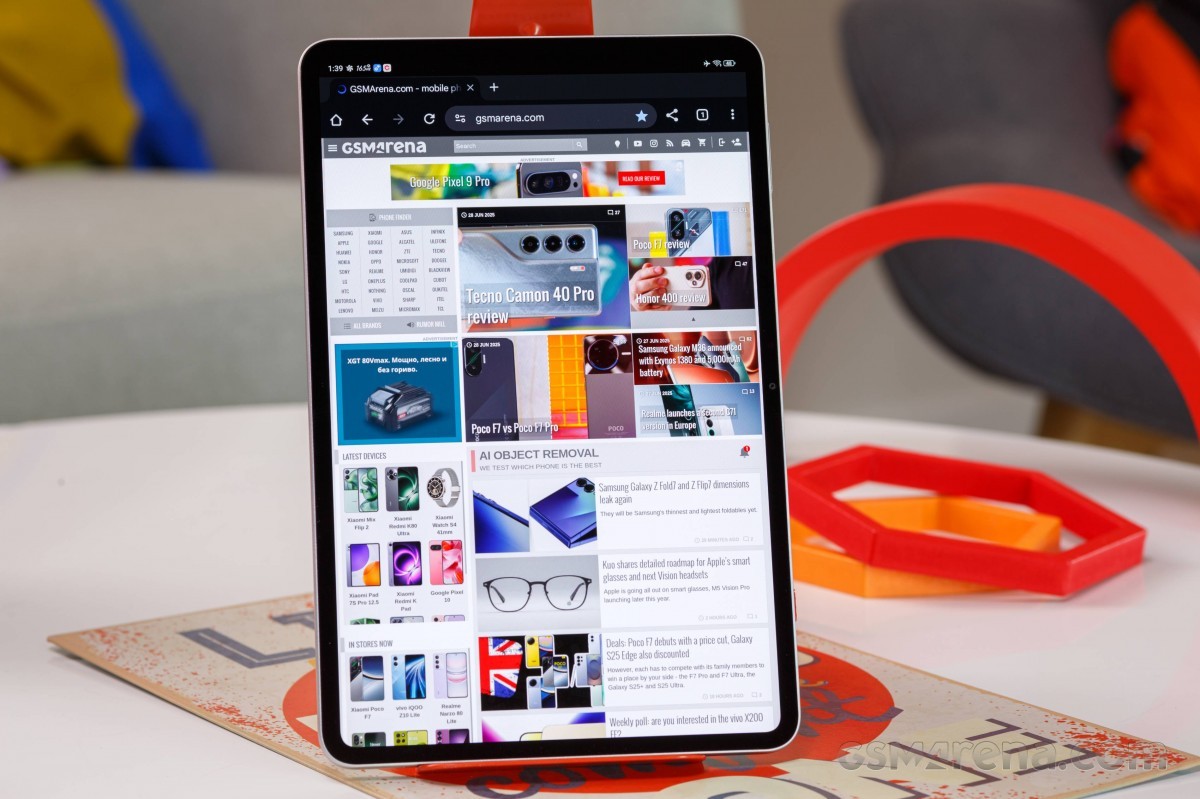
But not only this. You also get a dual vapor chamber cooling system and a rotating RGB-illuminated fan, complete with a side-mounted USB 3.2 Gen2 port with bypass charging support while gaming.
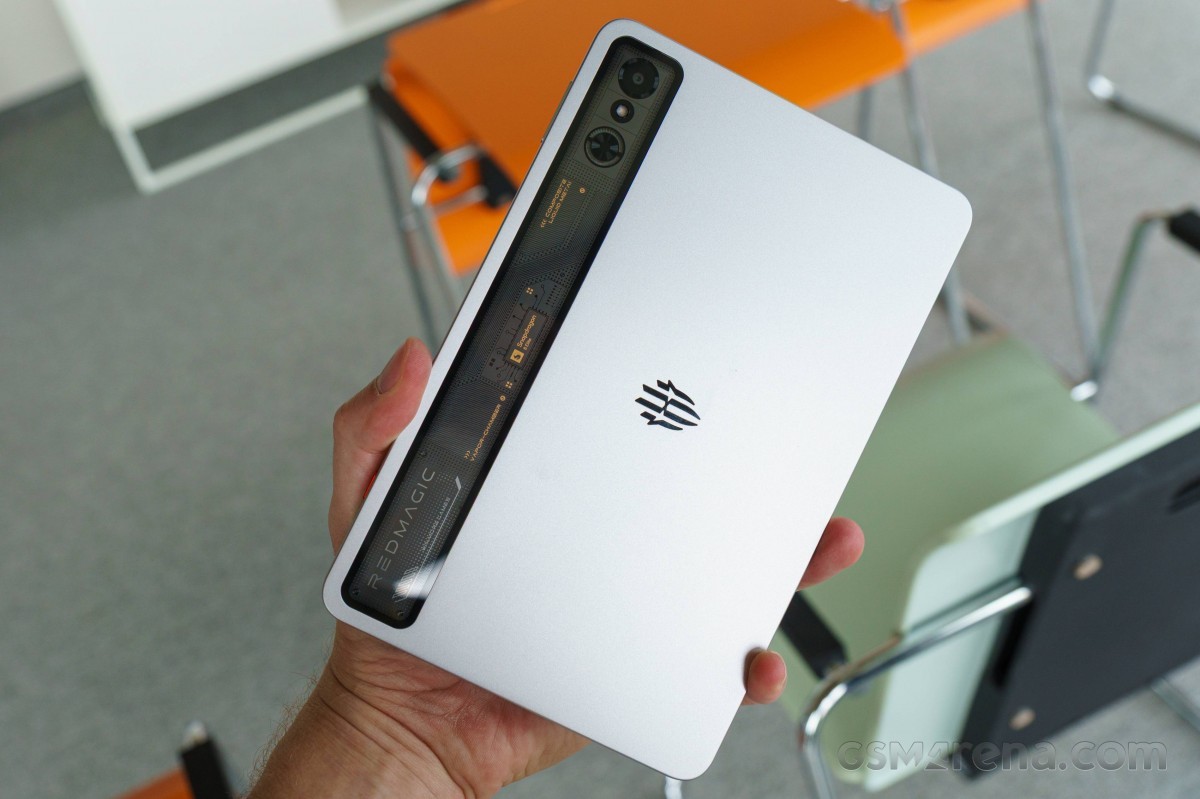

It performed admirably in our benchmark tests, scoring the best among its tablet peers, and we’re definitely fans of the compact form factor, which makes it a great gaming and media consumption device.
infinix xpad gt
The Infinix Xpad GT is another interesting tablet that comes with a decent-sized 13-inch LCD 144Hz and includes one of the forgotten flagship chipsets of 2020 – the Snapdragon 888.
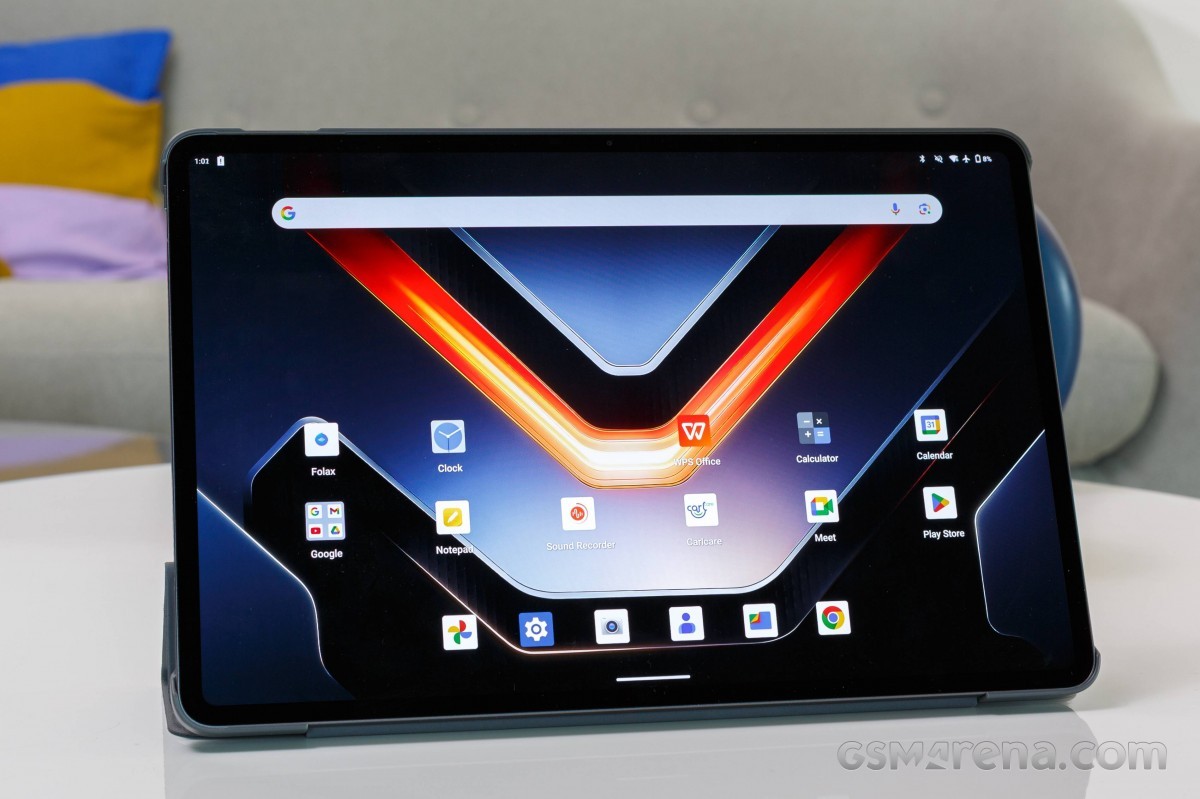
While the chip is mostly known for its tendency to overheat in flagship smartphones from 4-5 years ago, the larger chassis and adequately sized vapor chamber on the Xpad GT allowed it to perform admirably, giving modern upper midrange chips a run for their money.
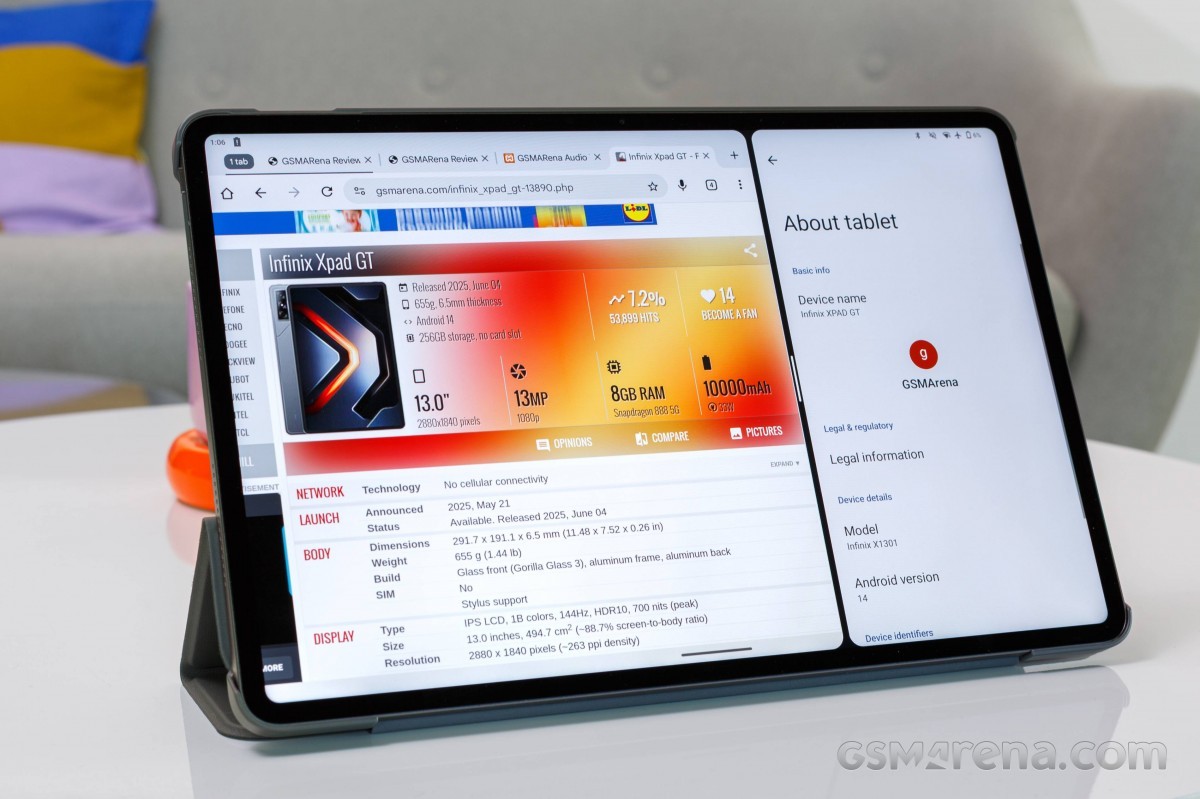
This means you can play most modern games just fine, and you’ll definitely get better performance than entry-level SoCs. Add the sleek aluminum body design, impressive eight-speaker setup and decent-sized 10,000mAh battery, and you’ve got a great, capable tablet with a reasonable $400/€355 price tag.
redmi pad 2 pro
If you’re looking for a more budget option under $300/€300/£300, the Redmi Pad 2 Pro is a worthy candidate. It has a high-resolution 12.1-inch 120Hz LCD, a capable Snapdragon 7s Gen 4 chip, and an excellent 12,000 mAh battery, which passed our endurance tests.
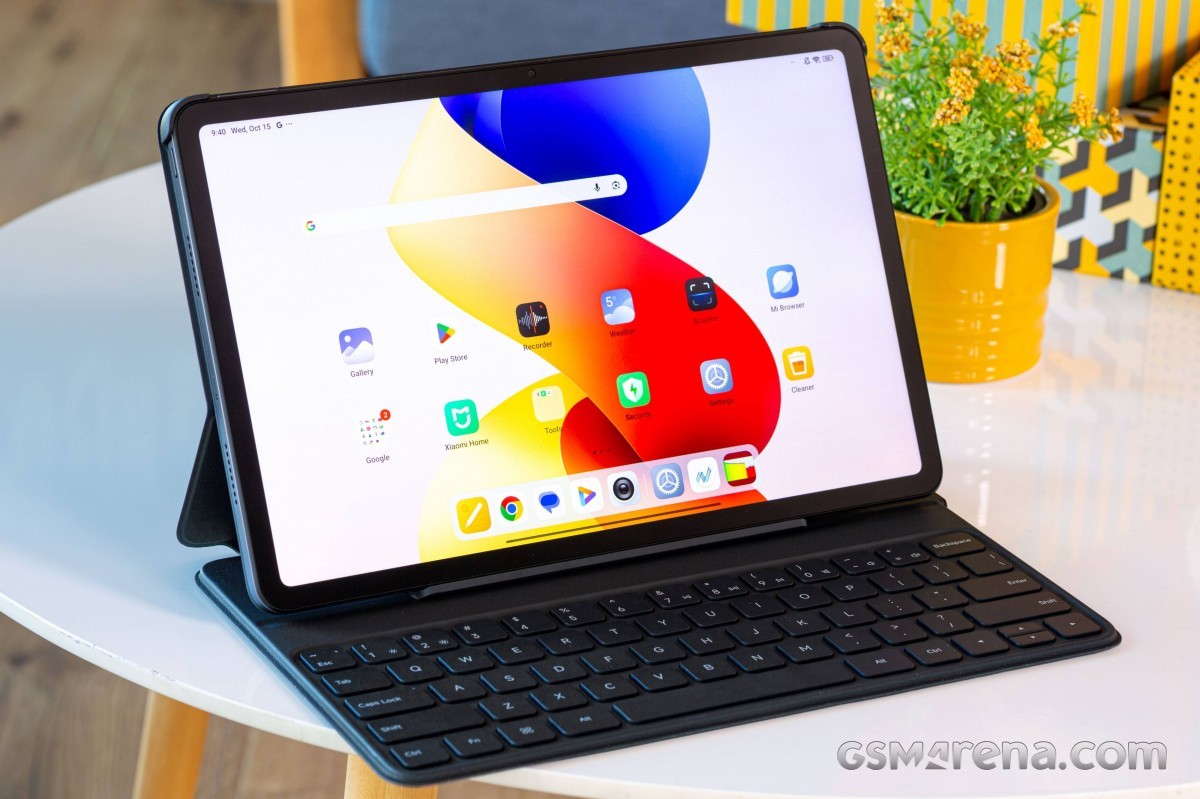
Like most of the other entries on the list, you’re getting a premium-feeling aluminum unibody design with Xiaomi’s feature-rich HyperOS 2 software suite and a good selection of first-party accessories that make the whole experience better.
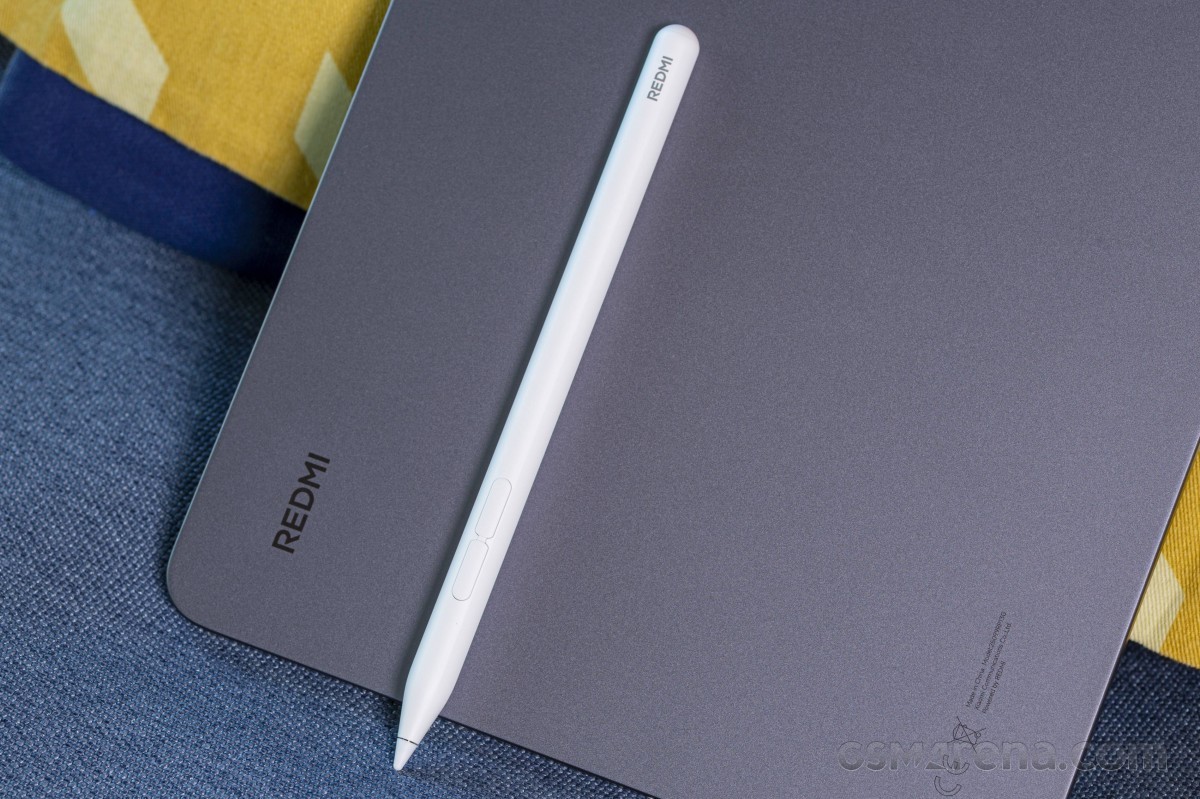
The Redmi Pad 2 Pro also has two things you don’t find on many tablets these days – a headphone jack and a microSD card slot. It can handle everything you want from a tablet, from light work tasks with split screen multitasking, to media consumption and web browsing, and it’s a capable gaming option too.