



Apple places Intel MacBook Air, iPhone 11 Pro and Watch Series 5 on vintage list, what does this mean for you
Apple has added the Intel-powered MacBook Air, iPhone 11 Pro, and Apple Watch Series 5 to its list of legacy products. Here’s what users need to know about the latest change, and how it may impact you if you still have and use one of these devices.
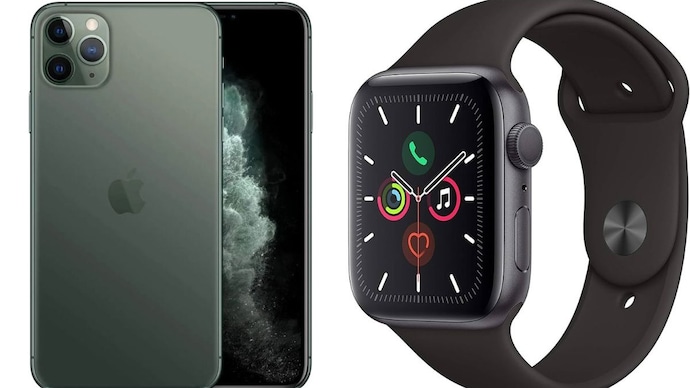

Apple has quietly updated its official list of legacy products once again, and added several popular devices to its ecosystem that many users still rely on today. The latest updates include the last 13-inch MacBook Air powered by Intel processors, the iPhone 11 Pro, several variants of the Apple Watch Series 5, the iPad Air 3 (Wi-Fi + Cellular), and the 128GB version of the iPhone 8 Plus.
Although these tools are now tagged as vintage, that doesn’t mean they’ll stop working overnight. However, this marks the beginning of the end of full hardware support from Apple.
So, what does “old” actually mean in Apple’s ecosystem?
According to Apple, a product is classified as vintage if more than five years have passed since it was last distributed for sale. This status is located between the “supported” and “obsolete” lists. Older Apple devices can still be repaired by Apple and Apple Authorized Service Providers, but only if spare parts are available. In simple terms, repairs are no longer guaranteed, even if you are willing to pay for them.
What if you’re using an older Apple device?
So what does it mean if you have one of these older devices? For users, the immediate impact is limited but important to understand. You can still contact Apple or authorized service centers for repair, but now everything depends on whether the replacement parts are still in stock. As time goes on, repairs may be denied simply because Apple no longer manufactures or stores the necessary components.
It is also important to understand the difference between old and obsolete equipment. Apple’s classification system draws a clear line between the two. Once a product crosses the seven-year mark from its last sale, it is moved to the obsolete list. At that time, Apple stops hardware servicing entirely, regardless of parts availability. This means that owners of newly listed vintage products effectively have up to two years before official repair support ends completely.

Apple is offering an extended battery repair program
There are a few exceptions worth noting. Apple offers an extended battery repair program for some Mac laptops, which can extend up to ten years from the time the product is discontinued, subject to availability of parts. For MacBook Air users, this may provide some reassurance if battery health is your primary concern. However, this exception does not apply to other components, or to iPhones and Apple Watches.
Buy a new Apple device
In the meantime, if you have one of these newly listed older devices, it might be a good time to start planning your next upgrade if you want access to Apple’s latest features and long-term support. In the meantime, make sure you back up your data regularly, especially if you plan to continue using the device for the next few years. If your device is already having hardware issues, such as a weak battery, faulty buttons, or display issues, get it checked as soon as possible while parts are still available.