



Apple is working on a new iPhone with a 200MP camera, here’s when it might launch
Apple is reportedly planning its biggest iPhone camera upgrade yet, with a 200MP sensor likely to arrive in the 2028 iPhone lineup.
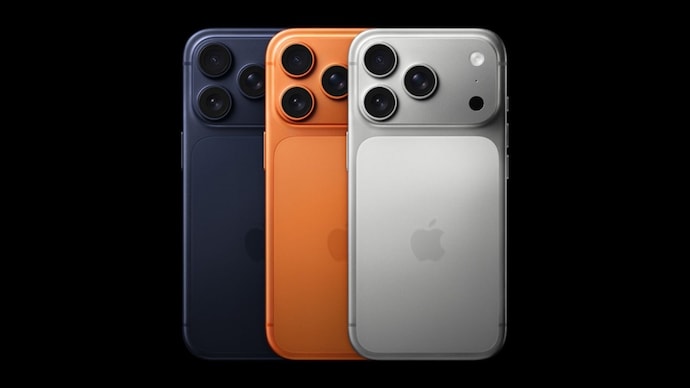

Camera upgrades have always played a central role in how Apple refreshes the iPhone every year, even when the changes are incremental on paper. A new investor note now hints that Apple is planning the biggest leap ever in smartphone photography, but users may have to wait a few more years to see it come to fruition. According to a report from investment bank Morgan Stanley, Apple is working towards bringing a 200MP camera to the iPhone lineup in 2028. If this timeline holds, the first iPhone with a 200MP sensor will arrive with the 2028 model, which is expected to be branded as the iPhone 21 series. Here’s everything we know so far.
A new iPhone with a 200MP camera is in the works: Release timeline and other details revealed
This is not the first time such a possibility has been discussed. Last year, well-known Weibo tipster Digital Chat Station claimed that Apple is internally testing a 200MP camera for future iPhones. However, at the time there was no clarity on when the upgrade would actually reach consumers. The Morgan Stanley note now provides a more concrete timeframe, which suggests Apple is still a few product cycles away from making the leap.
Currently, Apple uses 48MP sensors in all of the iPhone’s rear cameras, including the main, ultra-wide, and telephoto lenses. The change from 12MP to 48MP started with the main camera and was later extended to other lenses, allowing Apple to balance higher detail with computational photography features like pixel binning. Based on the new report, Apple is expected to stick with the current megapixel count for the next few generations, including the upcoming iPhone 18 lineup and even the 2027 models.
One interesting detail in the report, which was first spotted by Apple Insider, is the role that Samsung is expected to play. Morgan Stanley says the 200MP sensors for 2028 iPhones will be supplied by Samsung, despite Apple and Samsung being longtime rivals in the smartphone market. This partnership is not unusual, as Samsung already supplies many key components for Apple devices. The report also mentions that Samsung may be manufacturing these camera sensors at its facility in Austin, Texas, which is in line with Apple’s broader efforts to expand component production in the US.
The delayed move to 200MP is said to be partly due to supply chain strategy. Morgan Stanley researchers believe Apple wants to diversify its suppliers rather than relying too heavily on any one company. This may also explain why the change is taking longer than some earlier predictions, which suggested the 200MP iPhone camera could launch as early as the iPhone 18 generation.
The report also points to broader changes in Apple’s component sourcing beyond cameras. While Sony remains a major supplier for iPhone camera sensors and LiDAR components, Apple is reportedly exploring additional partners. For LiDAR, STMicro is in talks as a potential supplier, which could help Apple reduce risk and manage costs more effectively.

However, Face ID appears to be an exception. Morgan Stanley does not expect any immediate changes to the supply chain of Face ID sensors, which are currently sourced from a single supplier, LITE. That said, the technology itself may still be evolving. Researchers have reiterated their expectation that under-display Face ID could debut in 2027, which would coincide with the 20th anniversary of the original iPhone.
Overall, these supply chain adjustments are expected to help Apple maintain stable production and control costs. Despite rising component prices globally, Morgan Stanley believes Apple will continue its recent strategy of absorbing higher costs rather than passing them on directly to consumers. A similar approach was seen recently when Apple avoided price increases by increasing base storage, keeping effective prices in line with previous models.