



Actress Revathi on Hema Committee report: We need to work together with the government
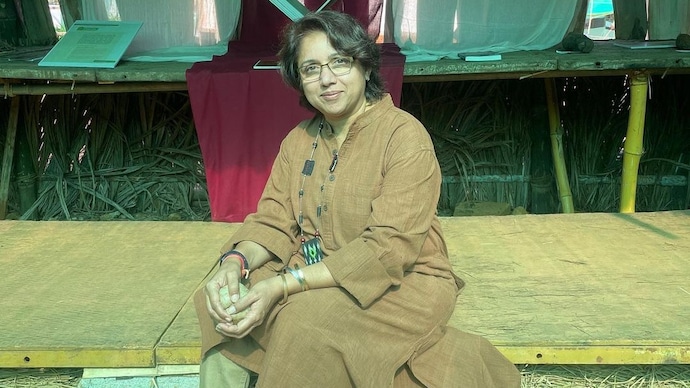
Actress, filmmaker and member of Women in Cinema Collective (WCC), Revathi spoke to IndiaToday.in about the recently released Hema Committee report and said that film bodies and the government need to work together to make sets a safe place for women.
The Kerala government on Monday released the much-awaited Hema Committee report, which details how women are facing harassment at the hands of some powerful people in the Malayalam film industry. The Hema Commission, comprising former High Court judge Justice Hema, senior actress Sharada and retired IAS officer KB Valsala Kumari, was set up in 2017 following an assault case involving actor Dileep.
Recently we spoke to actor, filmmaker and member of Women in Cinema Collective (WCC) Revathi about this report, who said that the need of the hour is to work together with the government to make sets a safe place for women.
Excerpts from the conversation:
The Hema Committee report is an eye-opener on all the serious problems faced by women in the Malayalam industry, a region often praised for quality cinema. What was your first reaction?
I am happy. One thing is that for the first time a state government has made this possible. Though it has been delayed, it has happened. This kind of study has never happened before with regard to the film industry. In that way it is great. But I think there is still a long way to go. Now we have to work together with the government and film bodies and understand how to make it safe.
WCC has recommended an internal complaints cell to the Hema committee. What are the other suggestions?
I think it will take all of us a few days to read it, and we are hoping that we will discuss it at length together. And then make plans and then make recommendations to the government. It is a long task and it is not easy. We have to understand what is written in it before we start working on it.
The report says that this has affected the professional careers of some WCC members. The report specifically mentions a leading actress who left WCC and started getting many offers. How was her journey?
For me, being a senior in the field, I don’t think it affected me because I did guest roles in Malayalam films. My main career was in Tamil. But I could see how it affected other girls. A lot of them, especially the younger ones, were without work for many months. And after the lockdown, it became even more difficult. They were without work for about 18-24 months. They had to take care of their families. It has been an extremely tough journey for all of them.

Justice Hema wondered how some men in the industry have been victims of a powerful group of 15 men. How do you view those statements made in the report?
I am very glad that some of the men came and spoke to him. It is very important that they come and speak the truth before a committee like this. Because unless we identify the problem, we cannot find a solution. I am grateful to all those who spoke to the committee. It takes a lot of courage. Even if you don’t speak explicitly about a person, it is very difficult to speak about an experience.
The state government took five years to publish the report. How satisfied are you with the result? They had the option to publish it earlier as well.
I am sure they have their reasons. It is not that I am denying the pressure and mental stress that we all have gone through. But now look, what has happened has happened. This entire report is going to be very difficult to read. I have not even opened the first page to read it. We personally know what kind of things are happening.
The government has extended a helping hand. Firstly, through a court order, they have said that every production company in the industry should have an Internal Complaints Committee (ICC), which has never happened in any industry in India, because they created it on their own. Then we had to get a court order to make these people create an internal complaints committee. Even now, they don’t understand what this ICC can do and how powerful it can be if it is created properly by the right people. Now, the most important thing is how we will work with the film bodies and sensitise people working in the film industry. Because instead of pushing things under the carpet, we need to face it. Unless we face it, we cannot make our workplace a safe place.