



What doctors say about Rapamycin, the magic pill that ‘could extend your life’
Rapamycin has attracted significant attention from ‘longevity experts’ as a key to a long, healthy life.
in short
- Rapamycin is gaining popularity as an anti-aging drug
- Rapamycin is available in the Indian market as an immunosuppressant.
- However, experts suggest that this drug has no proven anti-aging benefits in humans
Brian Johnson is a 47-year-old ‘tech entrepreneur and millionaire’. In 2013, he sold his company, Braintree, to PayPal for US$800 million, but it was only years later, when he set out on a quest that he truly found his calling. The pursuit of longevity with the goal of living ‘forever’.
To achieve this goal he leaves no room for error. He wakes up at 4 am every day, starting his morning by checking his body temperature and undergoing UV therapy. His day starts with supplements – about 100 every day. A strict vegetarian diet and exercise regime are also integral to his plan to “live forever”, on which he spends approximately USD 2 million every year.

Result? According to Johnson and his ‘Blueprint’ website (where he shares his routine with others), the plan seems to be working. He claims to have reversed his epigenetic age by 5.1 years.
But of all the supplements and medications he takes to ‘stay healthy forever’, one key drug that Brian and other ‘longevity enthusiasts’ swear by is Rapamycin.
“Taking 13 mg of rapamycin today with my super veggie and 2 tbsp (30 mL) of extra virgin olive oil,” he tweeted.
Hit drug for anti-aging
Who doesn’t want to live forever (except… Ashwatthama)Although immortality may be a difficult topic, living a long and healthy life is a dream that most humans share. Following a strict diet, making sure we get the right nutrients, regular doctor visits, and sweating it out during workouts are some of the steps we take to live our lives more healthily.
Recently, rapamycin has attracted significant attention from ‘longevity experts’ such as Brian as a potential key to a long, healthy life.
But what is rapamycin?
Dr. Samrat Shah, internal medicine specialist, Apollo Spectra Hospital, Pune, explains that rapamycin is an immunosuppressant. (medicine that reduces the body’s immune response) Commonly used for organ transplant patients to prevent organ rejection.
Dr. Shrey Kumar Srivastava, senior consultant of Sharda Hospital, is telling. India Today Rapamycin, also known as sirolimus, was initially discovered by a bacterium on Easter Island (Rapa Nui).
It works by inhibiting a protein called mTOR, which plays a key role in regulating cell growth, proliferation and survival. Experts also note that this drug is now gaining popularity as an anti-aging drug because of this property.
A recent review published in The Lancet in February 2024 summarizes the effects of rapamycin on aging-related changes in adults. They analyzed 18,400 articles and 19 studies and showed that rapamycin improved immune, cardiovascular, and skin health in both healthy and aging individuals, with no significant effects on the endocrine, muscle, or nervous systems.
Dr. Srivastava says this is because the drug reduces inflammation and increases the cellular waste removal process called autophagy.
“Rapamycin may slow the aging process; It also increases longevity by delaying or preventing the onset of age-related fatal diseases, as rapamycin and its derivatives appear to reduce the physiological effects associated with aging in the immune, cardiovascular and integumentary systems of healthy individuals or those with aging. Let’s improve the parameters. Diseases,” he adds.
But the thing is this. India Today Spoke to various experts, and according to them, even though the drug seems promising at the moment, it has side effects, and it is not clinically proven to work on humans.
Is it safe for humans?
Like any other therapeutic drug, it can only be proven effective if it is proven in human trials to prove its effectiveness. However, so far, it has shown some promising results only in animal trials.

“There is increasing interest in rapamycin as a potential anti-aging compound due to its effects on cellular processes related to aging. However, it is important to note that research in humans is still limited, and while preliminary results are promising, definitive conclusions regarding the effectiveness of rapamycin for anti-aging in humans have not yet been established,” Internal and General Medicine Physicians. Dr Paparao Nadakuduru says. At Citizen Specialty Hospital, Hyderabad.
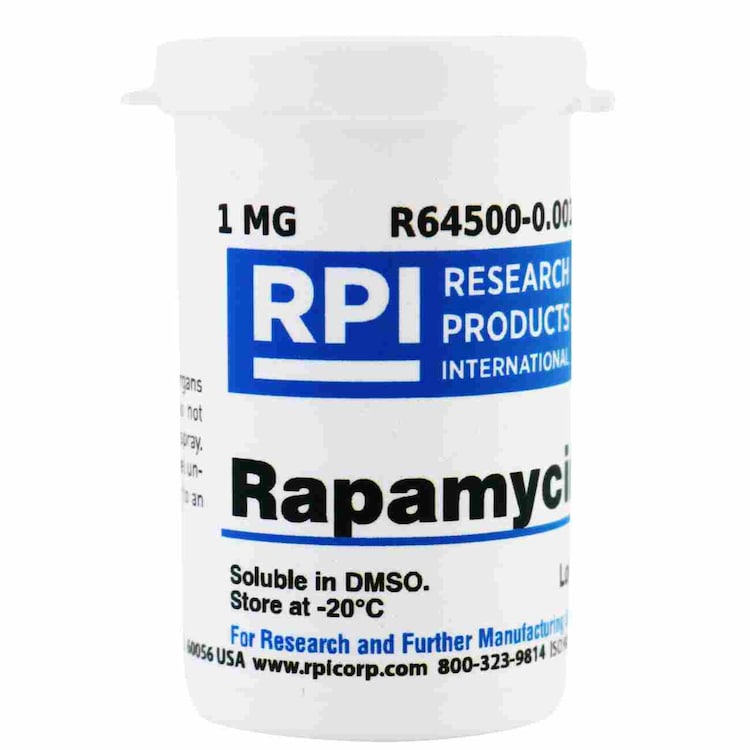
He cites a study conducted in 2009 by the National Institute on Aging Intervention Testing Program that showed that rapamycin could extend the lifespan of mice by 25 percent by mimicking the effects of calorie restriction, which has been shown to have beneficial effects on longevity. Is known.
This study was partly responsible for this sudden interest in its potential anti-aging effects. Other similar research conducted on organisms such as yeast, flies and worms has shown similar effects when treated with rapamycin.
“Even though there are claims that this drug works to prevent aging, it has not been tried and tested on people. There are no studies, evidence or research available to verify this claim,” says Dr Shah.
‘Weakens your immune system’
Dr. Nadakuduru says rapamycin comes with side effects. He lists some of them:
- Increased risk of infection: As an immunosuppressant, it may reduce the body’s ability to fight infection.
- Gastrointestinal Problems: Such as nausea, diarrhea or stomach pain.
- mouth ulcers: Some people may experience mouth sores.
- Elevated blood sugar level: This can potentially lead to diabetes.
- Changes in lipid levels: Cholesterol and triglycerides may increase.
- Delay in wound healing: Because it affects the immune response.
Dr. Shah mentions that long-term side effects of the drug can also cause low blood cell counts, including white blood cells, red blood cells, and platelets.
He added, “Lower doses, such as those believed to prevent aging, may have fewer side effects, but this has not been definitively proven in large clinical trials.”
in summary
Unlike Ozempic, another viral drug for weight loss, rapamycin is available in India as an immunosuppressant, and can be purchased for less than Rs 290 per strip. Now, even though rapamycin is a drug that is currently gaining popularity in the West, if travel trends are any indication, it will soon reach India.
Therefore, it is important to remember that rapamycin should only be taken after consulting an expert, even if you are considering it for its experimental anti-aging benefits.