



The Devil Wears Prada returns after 20 years. Here’s why it shouldn’t happen
The Devil Wears Prada 2 is based on nostalgia, but unlike the first film, there are no cultural milestones. The sequel touches on several contemporary themes, though only superficially.
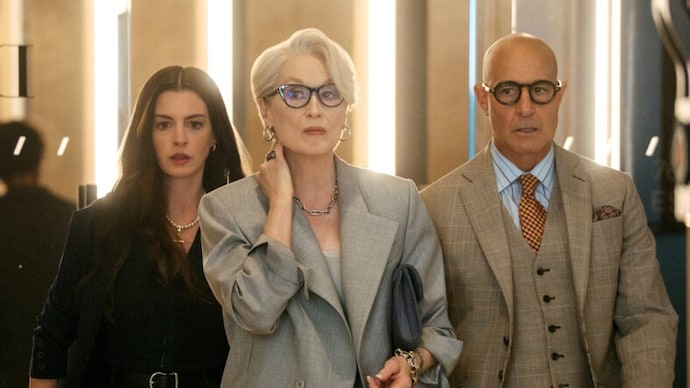

almost two decades later the devil Wears Prada Became a cultural landmark, its so-called sequel serves no purpose but is nothing more than a cash grab.
the devil wears prada 2 Leans heavily on nostalgia, relying on an audience that grew up idolizing Runway magazine and being in awe of Miranda Priestly. But instead of carrying on that legacy, it turns it into a hollow, profit-driven exercise designed to squeeze every last drop out of a globally loved asset.
❮❯
On paper, the premise sounds timely. Print journalism is dying. Magazines are shrinking. Gen Z is entering the newsroom. Cancel culture is shaping the conversation. This is all very 2026.
But the film doesn’t explore these ideas, it merely glances at them.
It wants to feel relevant without doing the work.
Miranda Priestly, once the epitome of strength and precision, is now written as a shadow of herself. This is a character who once captured rooms with a single glance, now reduced to a man overcoming corporate barriers that take away his authority. The film confuses weakness with weakness. In trying to humanize him, it destroys everything that makes him iconic.
It’s incredible and surreal to see Miranda hanging up her own coat or flying economy. Are we really supposed to believe that the editor of the world’s biggest fashion magazine can’t afford business class on his own terms? This is just lazy writing disguised as relativity.
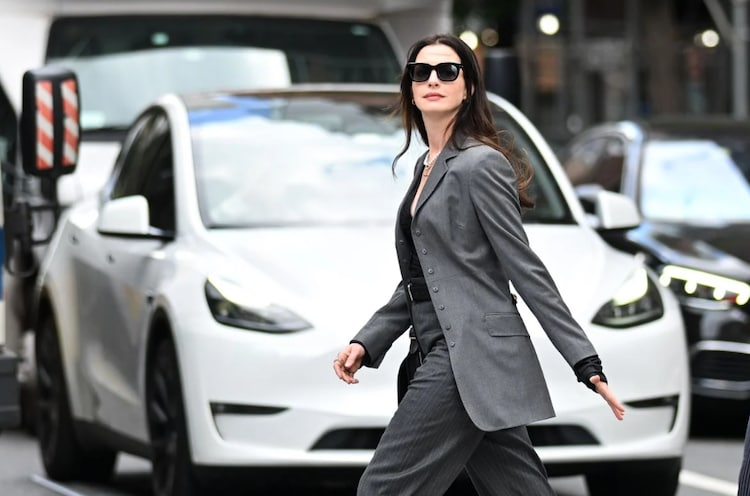
Then there’s Andy Sachs, whose arc seems almost frozen in time. Twenty years later, there has been no meaningful development. The woman who once chose honesty over ambition was given nothing new to say, no new ground to hide.
And this is where the film falters the most. It signals big, complex changes without ever unpacking them.
The decline of print media has been mitigated by budget cuts.
Strict HR policies appear without context.
The Gen Z influence is considered more of a buzzword rather than a cultural change.

And journalism’s transformation into a click-driven industry has barely occurred.
These were considered to be the decisive changes of the last two decades. But the film treats them like set dressing.
The result is a story that cries out for being underdeveloped while trying to say everything, and ends up saying nothing at all.
In the real world, fashion journalism has evolved in more complex ways than the film acknowledges. The way authorities work today looks different from 20 years ago. Editors are no longer the sole gatekeepers, but that doesn’t mean influence has disappeared. It has moved to new platforms, new people and new systems. The film fails to understand this change in any meaningful way.
Original Devil Wears Prada Worked because it was specific. It understood the value of ambition, hierarchy and success. This sequel, on the other hand, feels like it was crafted by viral reel makers chasing trends rather than telling a story.
Some films deserve a second act.
This was not one of them.