



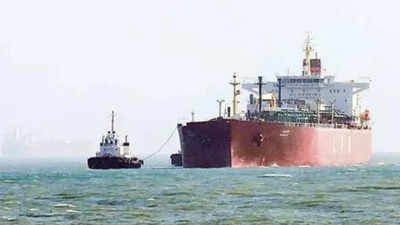

Image used for representative purposes
Russia and China on Tuesday vetoed a UN Security Council resolution aimed at reopening the Strait of Hormuz, dealing a blow to Gulf-backed efforts to restore navigation through one of the world’s most vital oil routes.The motion tabled by Bahrain failed despite gaining 11 votes in favor, while Pakistan and Colombia abstained. The vote came just hours before a deadline set by US President Donald Trump for Iran to reopen the strait or face widespread attacks on its infrastructure.Bahrain’s Foreign Minister Abdullatif bin Rashid Al Zayani said, “Failing to adopt this resolution sends the wrong signal to the world, to the people of the world.” He warned that inaction risks harming efforts to protect global waterways.The proposal underwent several amendments in an attempt to avoid a veto. An earlier draft called for “all necessary means” to ensure safe passage, language that could authorize military action, but this was scaled back to “defensive means” and later stripped of any explicit Security Council mandate.In its final form, the resolution only encouraged countries dependent on the strait to coordinate defensive measures, including escorting commercial ships and preventing attempts to disrupt shipping.It also called on Iran to immediately stop attacks on merchant ships and stop interfering with navigation through the strait, through which about a fifth of the global oil supply typically passes.However, Russia and China opposed the move and blamed the United States and Israel for escalating the conflict. Their envoys argued that the priority should be an immediate cessation of hostilities rather than measures focused solely on maritime security.The standoff comes as Iran’s blockade of the strait continues to depress global energy markets and raise concerns among Gulf states, many of which rely heavily on the route for oil and gas exports. Bahrain, which hosts the US Fifth Fleet, is pushing for international intervention, calling the disruption an existential threat.Tensions have been further heightened by repeated warnings from Trump, who has demanded that Iran reopen the waterway. He warned that failure to comply could lead to a massive military response, and said the country could be “taken out overnight” if an agreement was not reached.