



Bharat Taxi launch: Fares, booking, features and everything else you need to know
Bharat Taxi, India’s new government-backed cab platform, is expected to officially launch across the country on January 1, 2026. The new service will offer a zero-commission, driver-owned model that aims to benefit both drivers and passengers.
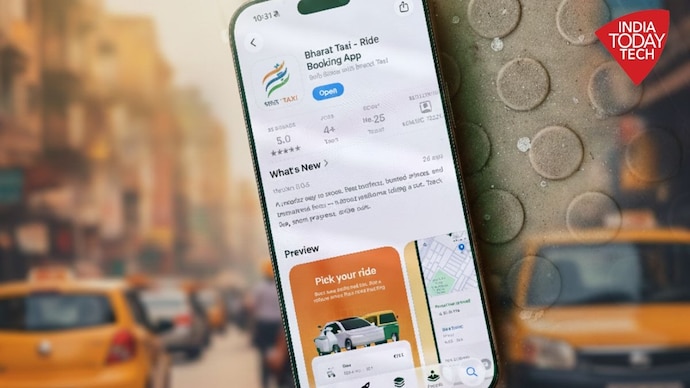

India’s ride-hailing sector may soon see a new entrant with the arrival of Bharat Taxi. It is a government-backed cab service that is speculated to go live on January 1, 2026. Although the service has not been officially launched yet, Union Cooperation Minister Amit Shah has previously indicated that the platform is ready for rollout and could be launched within a short time frame, with January 1 widely cited as the possible launch date.
The new platform is being pitched as a driver-first alternative to private aggregators like Ola and Uber, with a key focus on offering transparent fares and better earnings for cab drivers.
Let’s take a look at everything we know so far about the upcoming government-backed ride-hailing service in India.
Who owns and operates Bharat Taxi?
Unlike existing ride-hailing apps, Bharat Taxi follows a cooperative ownership model. The service is managed by Sahakar Taxi Cooperative Limited and supported by leading cooperative institutions including Amul, IFFCO and NABARD. Although the government is not directly involved in the day-to-day operations, it is the biggest promoter of this initiative.
Under this structure, drivers are not just service providers but stakeholders. The co-operative model is expected to move away from the typical commission-driven approach adopted by private platforms and offer driver board representation, a share in profits and a potential annual dividend.
In which cities will Bharat Taxi be available?
Once launched, Bharat Taxi is expected to begin operations in major metropolitan cities such as Delhi, Mumbai, Bengaluru, Chennai, Hyderabad and Kolkata. Trial runs and initial testing have reportedly taken place in Delhi and parts of Gujarat.
The platform has already seen strong interest from drivers, with over 51,000 drivers reportedly enrolling shortly after the announcement, even before the official launch.
The government has indicated plans to expand the service beyond metro cities as well. Over time, Bharat Taxi is expected to reach tier-2 cities, semi-urban areas and even rural and remote areas, markets where ride-hailing services are currently limited or inconsistent.
How can users book a ride?
Once the service goes live, users will be able to book rides through the official Bharat Taxi mobile app, which is already available for download on Android and iOS. The sign-up process involves mobile number verification followed by basic profile details.
Notably, users can also mention during registration whether they are disabled, a feature aimed at improving accessibility and ensuring a more comfortable ride.

After registering, users will be able to book instant city rides, intercity rides and even metro rides directly from the home screen of the app.
What are Bharat Taxi’s expected fare rates?
One of the most talked about promises of Bharat Taxi is its pricing model. The platform aims to offer transparent, upfront fares that are visible before the ride is confirmed. Unlike existing apps, Bharat Taxi claims it will significantly reduce or eliminate surge pricing, especially during peak demand.
Meanwhile, fare rates on Bharat Taxi are expected to be competitive with Ola and Uber, but with more predictability. For drivers, the main difference will be the zero-commission structure, meaning they keep the entire fare instead of paying a platform fee.
Does it have any special features compared to other cab services?
Bharat Taxi is emphasizing transparency for both drivers and passengers. The app is expected to offer real-time vehicle tracking, ride-sharing options with friends and family, and 24×7 customer support.
Driver onboarding will include proper verification, and the service is expected to be paired with local law enforcement agencies for emergencies. Drivers will also receive insurance coverage and will be allowed to earn additional income through advertisements displayed on their vehicles.