



Australia wants children under 16 years of age from social media, but can this treatment be worse than disease?
Australia plans to block social media under 16. A report states that it is possible to implement it, but comes with trouble.
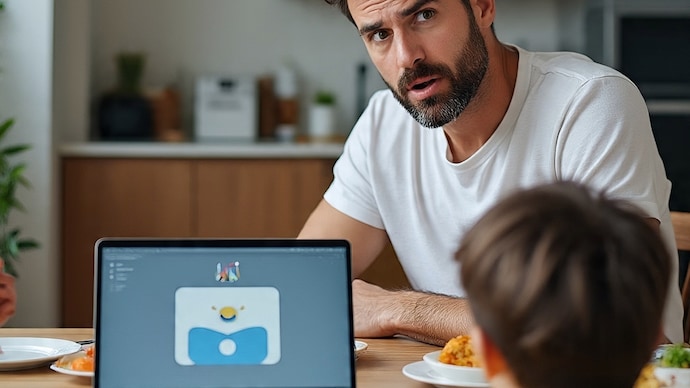

Australia plans to ban social media use for people starting on 16 December. A UK government-commission report states that it is technically notable, but comes with enforcement risk, especially with identification check, facial identification and obtaining permission from parents. All these methods increase the concerns of privacy and cannot always be accurate. The report states that there is no correct way, and a layered approach and strong privacy security measures.
If they fail to make ‘appropriate steps’, platforms may withstand fine. While many parents support the ban, critics are worried that it can cut children from social connections or push them towards low regulated parts of the Internet.
How Australia is planning to implement social media ban
The report maps some options. Platforms may require IDs or use facial identity, or obtain approval from parents or parents. But these methods are certainly far from far away. The ID system can be thrown, facial scans may inform users incorrectly, and parents’ approval can be misused. Every solution has shortcomings around accuracy and data security.
The report states that no correct technology is right. Instead, it urges a multi -level strategy supported by better security measures. It suggests that the platforms take “proper steps” or face punishment.
Why the ban can backfire
The proposed sanctions are popular with many parents, who want to mold their children online. But critics warned that it could do more harm than well. It can cut the teenager with its friends, or take them to the hidden corners of the Internet where the material is also less regulated.
This shock shows how governments worldwide are wrestling with their own ways to protect young people, respecting their privacy. There is no easy answer, and the way forward looks complicated.
Undoubtedly, a restriction can reduce harmful materials, cyberbulling, and constant comparisons, give place for better sleep, focus and offline friendship. But it also risk removing an important source of connection and colleague support.
“Removing social media may reduce anxiety trigger such as choice and comparison, but it also risk cutting a valuable channel of social. Mental health is not only about protection from loss, but also about access to support and connection.”

Risk of children turning to uncontrolled online places
Experts have warned that if platforms such as Instagram and Tikok are blocked, young users can look for options such as anam apps or VPN. These places are often less powered and can expose children to harmful materials or exploitation.
“When the restrictions feel very rigid, children often look for flaws. Unfortunately, it can take them to deep, low -powered corners of the Internet, where harmful materials, grooming or misinformation is more likely to expose,” Dr. Parvin says
Healthy strategies beyond a blanket ban
Instead of total restrictions, psychologists suggest a mixture of digital literacy education, age-appointed platform design and parents’ participation. Encouraging offline activities such as sports and art can help children to balance their digital and real -world lives.
“The goal should not be to ban, but should guide. When children learn how to use social media with boundaries, balance and support, they are more flexible to its negative effects and are able to improve its positive people,” Dr. Afreen Parvin explains.