



7 key things to look for when buying a smart TV in 2026
Choosing the right TV is not just about screen size or resolution, but knowing how these factors work together to help you make better purchasing decisions. Here’s a quick guide to help you make the right choice in 2026.
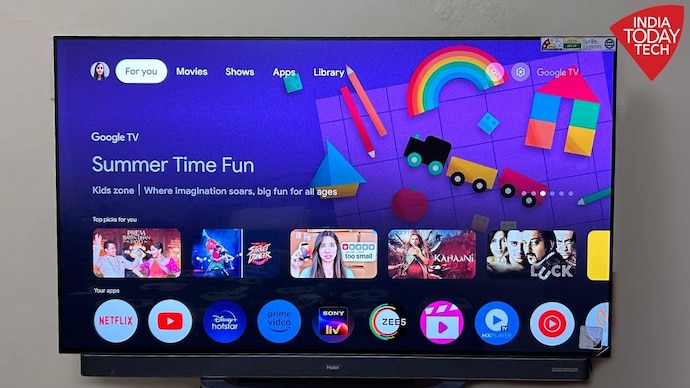

Choosing a smart TV today is no longer just about choosing the biggest screen or the latest model. With so many options, features, and technologies available, it’s easy to feel overwhelmed. From display quality to connectivity and gaming support, every factor plays a role in how enjoyable your viewing experience will be over the next several years. As we’ve reviewed many smart TVs over the years, here’s a quick guide to help you choose the right choice in 2026.
7 key things to look for when buying a smart TV in 2026
1. Screen size: choosing the right fit for your room
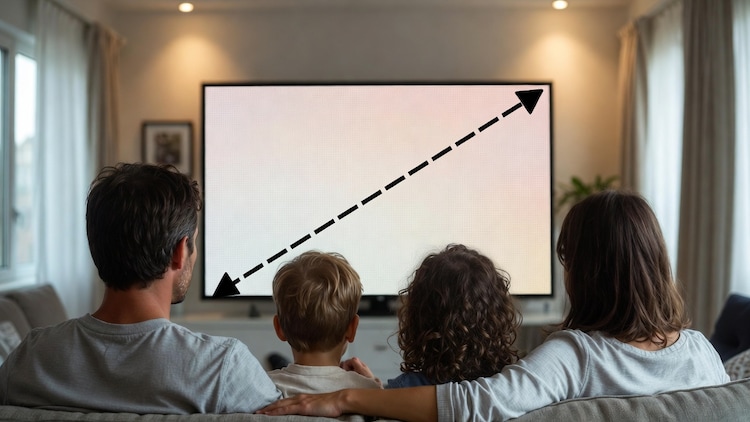
One of the first things to decide is the screen size. Bigger is not always better. A 55-inch or 65-inch TV may look fantastic in a spacious living room, but in a small bedroom or study room, it may overpower the space and even put pressure on your eyes. You should consider the viewing distance first. As a general rule, the ideal distance diagonal is about 1.5 to 2.5 times the screen size. For example, a 43-inch TV works well for a distance of 6-8 feet, while a 75-inch TV is suitable for larger rooms. The comfortable viewing ensures that you enjoy movies, sports or gaming without any discomfort.
2. Value: Setting a Budget That Works
Price remains a major deciding factor. Smart TVs are available in a wide range from Rs 20,000 to over Rs 1,50,000. Determine how much you are willing to spend before exploring the features. Remember, a higher price often means better panel technology, processing power, HDR performance, and built-in sound. Setting a clear budget helps you focus on the models that offer the most value rather than chasing unnecessary bells and whistles.
3. Panel Type: Choose Display Technology Wisely
The panel is the heart of the TV. In 2026, most TVs are LCD-based, with variations like VA, IPS, or QLED enhancements. VA panels offer deep blacks and strong contrast, making them ideal for viewing in dark rooms, while IPS panels offer wide viewing angles and a wide color gamut, which is helpful when your family watches TV from multiple locations. QLED layers or mini-LED backlighting improves brightness and color accuracy, especially for HDR content. Even in lower-priced TVs, VA panels are sometimes available, which provide better contrast than IPS, although high-end TVs still outperform them in brightness, HDR, and processing.
What is the difference between a TV with 4K panel worth Rs 30,000 and Rs 60,000?
When you buy a 4K smart TV worth Rs 30,000, you are mainly paying for the resolution and basic smart features, not the overall display quality. These TVs typically use basic LCD panels with edge-lit LED backlighting and no local dimming or quantum dot layer, which means low brightness, limited color depth, and weak contrast. As a result, dark scenes don’t look quite as deep, colors don’t seem as rich, and HDR content appears more present on paper than in actual viewing. In some budget TVs, we’ve noticed that colors look a little washed out and blacks look more grayish, especially in dimly lit scenes. Processing power is also limited, so upscaling regular HD or cable TV content isn’t very clean and the smart interface can feel slow at times. In terms of design and construction, these TVs often have thick frames, plastic-heavy construction, and basic stands. Built-in speakers are usually low-powered and sound flat, which is why many buyers add a soundbar immediately after purchase.
On the other hand, a 4K smart TV under Rs 60,000 focuses more on how the picture actually looks and how the TV feels in daily use. These models typically come with higher quality VA LCD panels, sometimes combined with QLED color layers and improved backlighting, resulting in higher brightness, stronger contrast, and more accurate colors. HDR content looks noticeably better, motion management is smoother, and the upscaling of everyday content is noticeably neater. Faster processors also make the smart TV interface more responsive and reliable. The design and build quality is more premium, with thin bezels, sturdy metal or stands and a clean finish that looks better in the living room. The speaker output is strong and clear, delivering fuller sound without distortion at normal volumes, making the overall experience feel more fulfilling than a Rs 30K TV.
Do not buy smart TVs with FHD or HD resolution
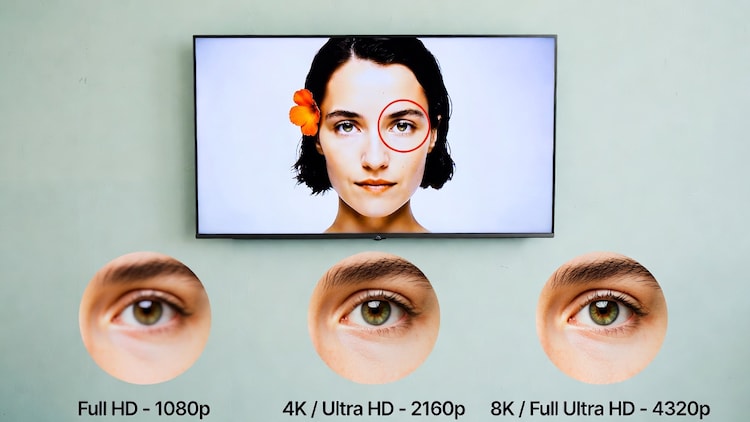
-In 2026, buying an HD or Full HD smart TV will no longer matter as most content is now made for 4K screens. Streaming platforms like Netflix, Prime Video, and YouTube are increasingly prioritizing 4K content, and HD or FHD TVs can’t show that level of detail.
-Second, on screens above 40 inches, the FHD resolution looks noticeably soft, especially when watching movies, games, or even reading text in apps.
-Third, the price difference between FHD and entry-level 4K TVs is very small, with 4K models now starting at around Rs 20,000.
-Fourth, modern gaming consoles and set-top boxes are built for 4K output.
-After all, buying HD or FHD today means poor future proofing, as apps and content will continue to move toward higher resolutions, making the TV obsolete very quickly.
4. Operating System and more: Smooth and efficient
The experience of a smart TV largely depends on its operating system and the hardware running it. Google TV offers extensive app support and robust voice controls, making it ideal if you rely on multiple streaming platforms and frequent searches. WebOS and Tizen are known for fast navigation and clean layout, perfect for users who want a simple, no-learning interface. Fire OS works well for Amazon Prime users and runs light, often feeling smoother on budget hardware.

Beyond the OS name, pay attention to how the TV might perform in daily use. You can check in offline stores like Croma to get a rough idea and even watch video based reviews to see if the TV has slow menus, delayed app launches, and slow voice commands, which usually indicate weak processing power. A good remote should have quick-access buttons for streaming apps, responsive volume and navigation controls, and a reliable voice assistant. Some TVs also support features like direct Airtel card input, which can reduce the need for additional set up boxes and simplify everyday use.
5. Sound: Immersive audio matters
When it comes to sound, the speaker output and Dolby Atmos support make a noticeable difference in how immersive your TV experience is. TVs in the Rs 20,000 to Rs 65,000 range typically offer speakers between 15W and 40W. A 15W setup is usually sufficient for small rooms and casual viewing, providing clear dialogue but weak bass and only a hint of virtual surround from Dolby Atmos. Moving on, 30W speakers, which are common in the Rs 30K to Rs 40K range, deliver louder, clearer sound and more engaging virtual surround effects, making movies and streaming shows more enjoyable in medium-sized rooms, although deep bass is still limited. At the top end, the 40W speakers found in TVs priced between Rs 50K to Rs 65K deliver stronger output, better clarity and a wider sense of space, suitable for medium to large living rooms.
For your reference, virtual effect basically means that the TV is creating the feeling of surround sound using software, and not actual physical speakers placed around you. In simple terms, the TV has two small speakers, but the processor manipulates the sound by adjusting timing, direction and resonance so that your ears think the sound is coming from the side or from above. Features like Dolby Atmos on budget TVs work without actual upward-firing or rear speakers.
So for true cinematic depth and powerful bass, connecting a soundbar or home theater system via HDMI ARC/eARC, optical or Bluetooth is still the best way to upgrade the audio.
6. Ports and Connectivity: Future-proof your setup
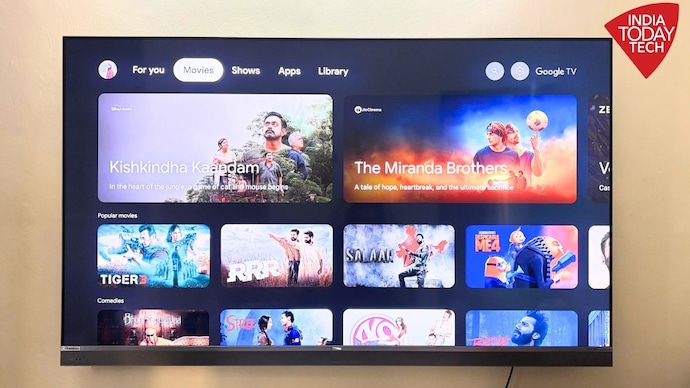
A smart TV isn’t just about built-in apps; You need to consider external devices. Multiple HDMI ports are necessary to connect a game console like PlayStation or Xbox, a streaming stick like Fire TV, or a MacBook for screen mirroring (if necessary). USB ports, Ethernet, and Wi-Fi stability are important for smooth streaming. Some TVs also allow the card to be inserted for direct cable connection, like Airtel, removing the dependency on the set-top box. Connectivity planning ensures your TV remains compatible as your devices and preferences evolve.
7. Gaming (optional but worth considering)
If gaming is part of your lifestyle, check out features like high refresh rates (120Hz or higher), low input lag, and HDMI 2.1 support for next-generation consoles. Some TVs also support Variable Refresh Rate (VRR) and Auto Low Latency Mode (ALM), which can significantly improve gaming performance. Even casual gamers benefit from the responsive screen and smooth motion handling, making it an optional but increasingly valuable factor in 2026.
What to keep in mind?
Buying a smart TV in 2026 requires balancing size, price, panel quality, OS, sound and ports. Although big screens and flashy specifications may tempt you, the right choice ultimately depends on how you view content, the arrangement of the room, and what devices you connect to. Paying attention to these seven factors will give you a smart TV that’s enjoyable, reliable, and future-ready for years to come.